DbcultAccessing Vault...
Cult Review
Senior Film Conservator
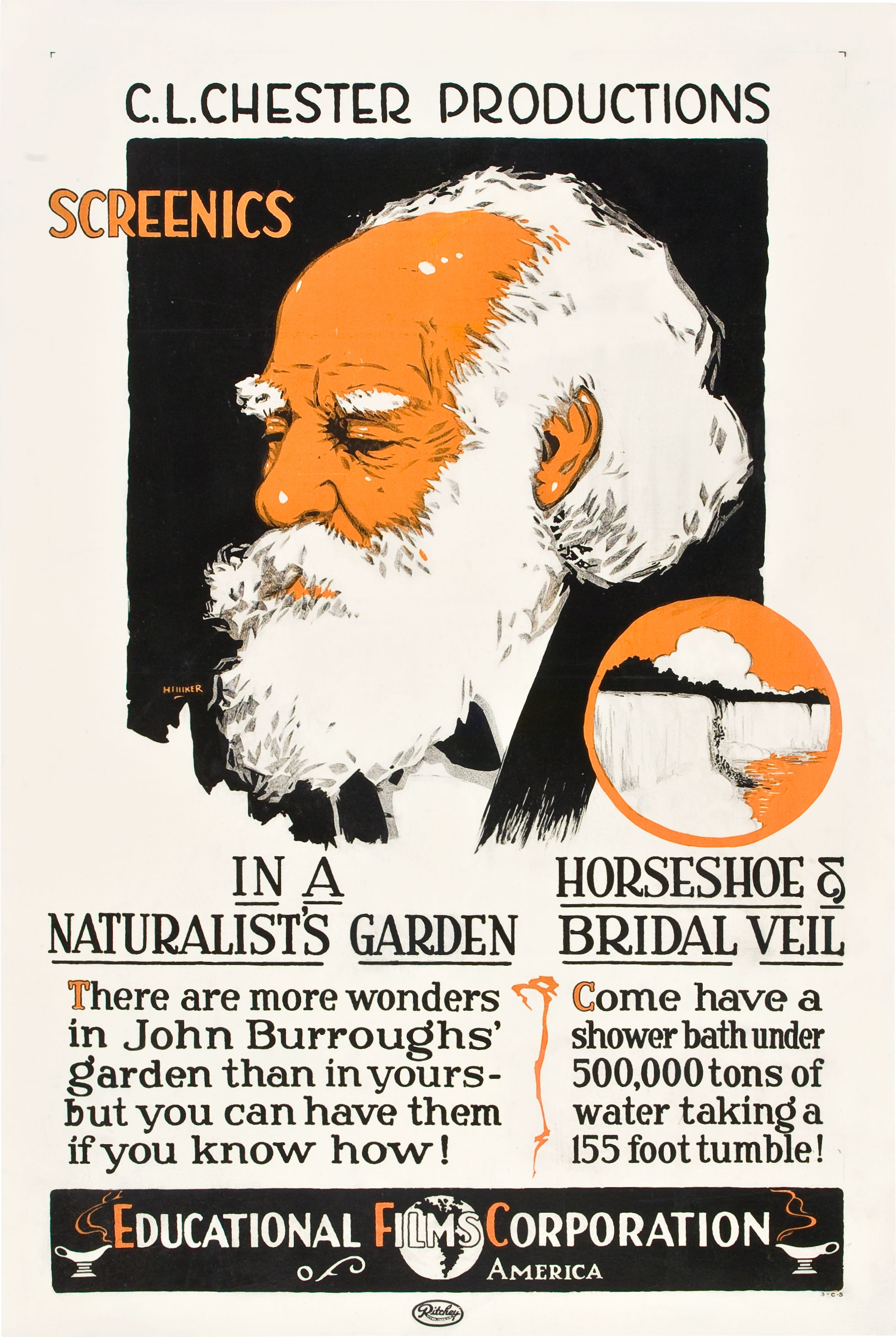
Somewhere between chlorophyll and grief lies In a Naturalist's Garden, a film that refuses to genuflect to either narrative coherence or conventional empathy. It is, at once, a herbarium of traumas and a gallery of optical feints, shot on decaying 35 mm stock that blisters like bark beetle trails. C.L. Chester—part lepidopterist, part penitent—doesn’t act so much as photosynthesize on screen, his pupils dilating to the exact diameter of the moth wings he traps between glass slides.
The film’s lineage splices Satan's Private Door’s claustrophobic mysticism with the slow-rot existentialism of Aftermath, yet it stakes out its own humid biosphere. Directors of photography smear Vaseline on the lens edges so moonlight drips like yolk; sound designers graft cicada chorales onto heart-rate monitors. Every frame feels composted rather than composed—organic matter collapsing into humus-rich revelation.
Forget linearity. The storyline behaves like bindweed: it strangles whatever timeline you project onto it. Chester inherits a manor bordered by an Edwardian greenhouse whose iron ribs resemble a dismantled Zeppelin. Inside, orchids sweat out opium vapors; snails leave glistening Morse across flagstones. Each specimen he collects returns later as a phantom limb: a swallowtail’s wingbeat cues the memory of mustard gas; a death’s-head hawkmoth hiccups the voice of his dead mother counting rosary beads.
Mid-film, the child apparition—credited only as “the Nestling”—leads Chester to a reflecting pool drained of water but brimming with mirror-shards. The boy plants a seed in the cavity of an abandoned doll, and within minutes a sunflower erupts, its spirals obeying the golden ratio of scar tissue on Chester’s scalp. That image alone deserves anthology immortality.
Chester’s physical vocabulary toggles between taxonomic precision and narcoleptic surrender. Watch the way he folds his body into the undergrowth, knees inverted like a praying mantis. There’s a scene—largely improvised—where he licks chlorophyll off a leaf then retells the Battle of Somme to a tomato vine, voice cracking with chlorophyll foam at the corners of his mouth. It is grotesque, erotic, and oddly confessional.
The Nestling, played by first-time actor Juniper Voss, communicates exclusively in birdsong samples the sound team lifted from archival BBC reels. The performance is feral yet musically metered; you half-expect subtitles to decode avian dialect, but the film denies you that comfort. Instead, emotion lands through cadence—crescendo means trust, trill signals betrayal.
Color palettes mutate chapter by chapter: oxidized copper gives way to arterial magenta, then to gangrene ochre. One night sequence bathes the manor in sodium-yellow noir, only to fracture it through stained-glass moths whose wings filter wavelengths of ultraviolet grief. The result turns human skin into lunar calendars—every pore a crater, every wrinkle a tide.
Compare this chromatic fugue to the monochrome austerity of The Counterfeit Trail and you’ll appreciate the film’s refusal to let morality sit in comfortable grayscale.
Composer Lourdes de la Mycota builds tracks from amplified root crackle, snail radula scrapes, and the heartbeat of a pregnant tarantula recorded via laser vibrometry. Bass frequencies dip to 17 Hz—the infamous “ghost frequency” that loosens bowel control—yet they surface only when Chester fondles the pistol he never fires. What could have been gimmicky instead feels like ecological justice: the garden asserting its autonomic right to terrorize.
Written by the pseudonymous collective Anonyma, the screenplay clocks in at 42 pages—half stage directions, half erasure poetry. Pages were reportedly buried in compost for three weeks, then re-photographed where fungus had consumed swaths of dialogue. What remains on screen are fragments: “Petals = fingerprints,” or “Dusk is a predator that molts into night.” Critics who demand narrative handrails will exit infuriated; those willing to freebase lyricism will swoon.
Post-colonial readings bloom effortlessly. The manor’s wealth sprouted from 19th-century quinine plantations; Chester’s ancestral sin is cataloging life into cabinets. The garden’s vendetta is thus decolonization through photosynthesis—nature re-cataloging him. Note the scene where bindwinds coil around a Victorian butterfly display case, fracturing glass until specimen pins shower like metallic rain. It’s a visceral rejoinder to Her Elephant Man’s more sentimental human-animal bond.
The picture ponders: If memory can be grafted like a scion onto rootstock, does identity photosynthesize into something autonomous? Or does the gardener become the gardened? These questions linger longer than the aftertaste of raw nettle, partly because the film refuses to dramatize answers. Instead it entangles viewer and subject, until you realize your own breath is fogging up the greenhouse glass.
Calling In a Naturalist's Garden a masterpiece feels like pinning a medal on a tsunami—accurate but insufficient. It is, more precisely, an ecosystem that colonizes your sensory mulch long after credits roll. You exit the theater tasting loam, convinced your own pulse is merely a footnote in some larger vascular manuscript. For that reason alone, it deserves cult immortality alongside The Grim Game’s dadaist sleight-of-hand, yet it achieves something rarer: it makes you thankful to be temporary compost in the planetary ledger.
If you seek comfort, re-watch A Man of Honor. If you seek transformation, step barefoot into this garden and let the mycelium decide your ending.
IMDb 5.8
1923
Community
Log in to comment.