DbcultAccessing Vault...
Cult Review
Senior Film Conservator
Stepping back into the flickering glow of early cinema, one often encounters narratives that, despite their temporal distance, resonate with an astonishing contemporaneity. Such is the case with 'Just Bill', a cinematic endeavor that, even sans spoken dialogue, articulates a profound human drama with remarkable clarity and emotional depth. This isn't merely a quaint relic from a bygone era; it's a potent exploration of character, justice, and the often-fraught terrain of human perception. The film, a testament to the storytelling prowess of its era, draws us into a world where reputation is fragile and redemption is a hard-won prize.
At its heart lies Bill, portrayed with a quiet, compelling intensity that anchors the entire production. He is not a man of grand pronouncements or flamboyant gestures, but rather a figure defined by his steadfastness, his industry, and an unshakeable moral compass. His saloon, 'The Golden Nugget,' isn't just a place for libations; it's a microcosm of the frontier, a bustling hub where dreams are spun and shattered, where fortunes are made and lost, and where the raw fabric of community is constantly being rewoven. The film masterfully establishes this setting, allowing the audience to feel the grit and the hope of this burgeoning world, making Bill's eventual plight all the more impactful. The writers, whose collective vision sculpted this intricate tale, deserve commendation for crafting a narrative that, while adhering to certain melodramatic conventions, never descends into mere contrivance. Instead, it maintains a taut, suspenseful quality, drawing viewers deeper into its moral labyrinth.
The arrival of Silas Vance, a character steeped in calculated charm and insidious intent, serves as the catalyst for Bill's downfall. Vance, a master manipulator, embodies the shadowy undercurrents that often accompany periods of rapid expansion and societal flux. His accomplice, Lilith, a femme fatale whose allure is as dangerous as it is captivating, perfectly complements Vance's machinations. Together, they form a formidable antagonist duo, their presence injecting a palpable sense of menace and intrigue into Bill's hitherto uncomplicated life. The film's portrayal of this insidious conspiracy is remarkably nuanced, showcasing how easily trust can be eroded and how quickly a man's good name can be sullied by the whispers of deceit. The visual language employed here, common in silent films, uses exaggerated expressions and gestures to convey the psychological warfare being waged against Bill, effectively pulling the audience into his growing despair.
The wrongful accusation of theft against Bill is a pivotal moment, plunging him into a legal quagmire that threatens to consume him entirely. This segment of the film resonates with themes explored in classics like The Count of Monte Cristo, where an innocent man is condemned by the machinations of others, forcing him to embark on a harrowing journey for justice and vindication. Similarly, the stark portrayal of the frontier legal system, with its inherent biases and susceptibility to mob mentality, echoes the societal critiques found in films such as Courts and Convicts, highlighting the often-brutal realities faced by those on the wrong side of the law. Bill's struggle is not just against Vance and Lilith, but against a system that is too quick to judge and too slow to investigate, a timeless struggle that continues to captivate and provoke thought.
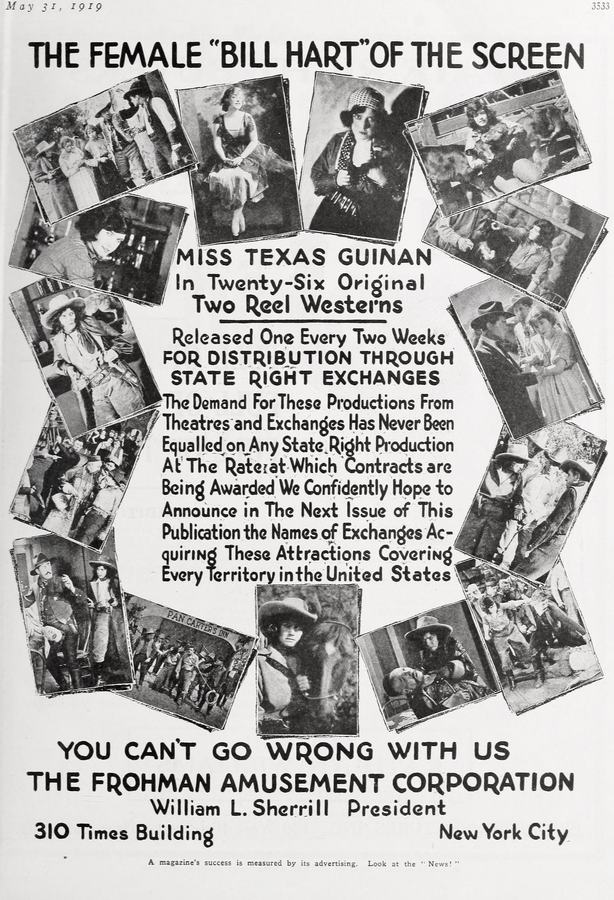
Enter Texas Guinan, whose performance in 'Just Bill' is nothing short of magnetic. Known for her vivacious personality and commanding screen presence, Guinan imbues the character of Elara, the local schoolteacher, with a formidable blend of intelligence, compassion, and unwavering resolve. Elara is not merely a damsel in distress or a romantic foil; she is Bill's intellectual and emotional anchor, the sole voice of reason and belief in a chorus of condemnation. Guinan's portrayal elevates Elara beyond a stock character, transforming her into a beacon of truth and resilience. Her subtle yet powerful expressions convey a deep understanding of human nature, allowing her to see through Vance's façade and recognize Bill's inherent goodness. This performance is a masterclass in silent film acting, utilizing nuanced gestures and expressive eyes to communicate a rich inner life, a skill she honed throughout her illustrious career, which also saw her shine in productions like Fighting Cressy, another film that showcased strong female characters in challenging environments.
The dynamic between Bill and Elara forms the emotional core of the film. Their connection, forged in the crucible of adversity, transcends mere romantic interest, evolving into a partnership built on mutual respect and an unwavering commitment to justice. Elara's investigative efforts, her tireless pursuit of evidence, and her courage in standing against the prevailing tide of public opinion are crucial to the narrative's progression. It's a testament to the writers' foresight that they crafted such a strong, proactive female character, challenging the often-passive roles assigned to women in early cinema. This active role for Elara provides a compelling counterpoint to the more traditional melodramatic elements, grounding the story in a sense of practical heroism and intellectual rigor. Her dedication to uncovering the truth, often at personal risk, makes her one of the most memorable figures in the film.
The film's visual aesthetics, typical of the period, are surprisingly sophisticated. The use of natural light in the outdoor scenes, the carefully constructed sets of the saloon and the courthouse, and the dramatic close-ups all contribute to a rich, immersive experience. While lacking the technological wizardry of later eras, the filmmakers leveraged every available tool to create a visually compelling world. The stark contrasts between the dusty exteriors and the dimly lit interiors effectively underscore the thematic tensions between exposure and concealment, truth and deception. One can draw parallels to the atmospheric storytelling seen in films like The Clodhopper, which similarly used its rustic setting to amplify the emotional journey of its protagonist. The careful framing and dynamic editing, even in its nascent form, keep the pace engaging, ensuring that the audience remains captivated by Bill's unfolding tragedy and eventual triumph.
As the narrative hurtles towards its climactic confrontation, the tension becomes almost unbearable. The unraveling of Vance's scheme, the revelation of Lilith's true nature, and the ultimate exoneration of Bill are executed with a satisfying dramatic flourish. The final scenes, where justice is finally served, are not merely a triumphant resolution but a powerful affirmation of the enduring human spirit. It's a poignant reminder that even in the face of overwhelming odds, integrity and perseverance can ultimately prevail. The film’s denouement, while offering catharsis, also subtly poses questions about the ease with which reputations can be shattered and the constant vigilance required to uphold truth. This nuanced ending elevates 'Just Bill' beyond a simple tale of good versus evil, imbuing it with a more profound, reflective quality.
Reflecting on 'Just Bill' within the broader context of silent cinema, it stands as a noteworthy example of the period's capacity for intricate storytelling and powerful character development. While it might not possess the epic scope of a The Triumph of an Emperor or the overt melodrama of East Lynne, its strength lies in its focused intensity and its deeply human core. The film's examination of social justice, personal integrity, and the power of individual agency remains remarkably relevant. It’s a testament to the enduring appeal of stories where the underdog fights against injustice, a narrative archetype that continues to resonate across generations and cinematic eras. The performances, particularly that of Texas Guinan, elevate the material, transforming what could have been a conventional melodrama into a compelling piece of cinematic art. Her ability to convey complex emotions without uttering a single word is a powerful reminder of the unique artistry of silent film actors.
The film's legacy is perhaps found not in its groundbreaking technical innovations, but in its unwavering commitment to narrative clarity and emotional authenticity. It serves as a valuable historical document, offering a glimpse into the moral anxieties and aspirations of early 20th-century America, particularly in its depiction of frontier life and the challenges of establishing order in a wild land. The themes of trust, betrayal, and the relentless pursuit of truth are universal, ensuring that 'Just Bill' continues to speak to audiences long after its initial release. It is a film that reminds us that true heroism often resides not in grand exploits, but in the quiet courage to stand firm against adversity, to believe in one's own innocence, and to have faith in the few who see beyond superficial appearances. The subtle interplay of light and shadow, the carefully choreographed movements of the actors, and the evocative intertitles all combine to create a deeply immersive experience, proving that the silent era was anything but quiet in its artistic expression. This compelling drama deserves to be rediscovered and appreciated for its enduring narrative power and its remarkable performances.
IMDb 6
1924
Community
Log in to comment.