DbcultAccessing Vault...
Cult Review
Senior Film Conservator
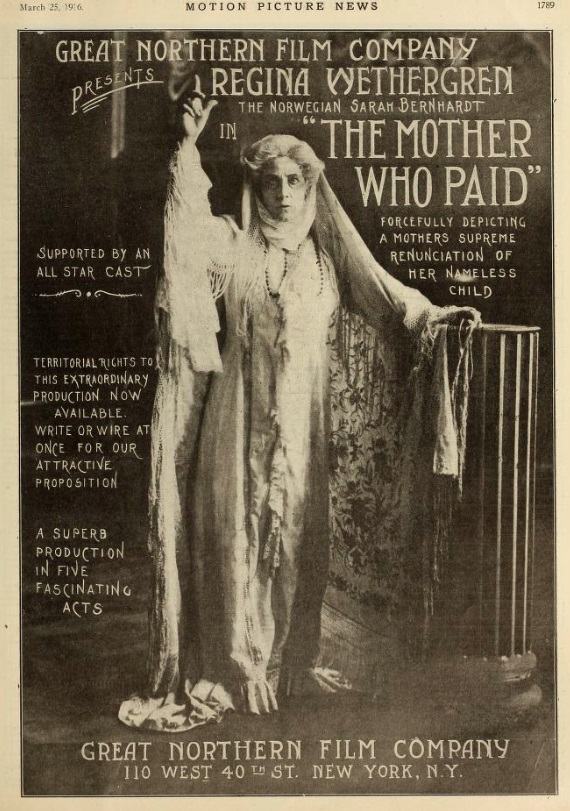
Stepping into the spectral glow of early cinema, one often encounters narratives steeped in melodrama, moral quandaries, and the potent, often devastating, force of human emotion. Few, however, encapsulate the raw, visceral power of maternal sacrifice and societal hypocrisy quite like The Mother Who Paid. This cinematic artifact, a testament to the storytelling prowess of its era, unfurls a tapestry rich with deception, political machination, and the enduring, if unacknowledged, bonds of family. It’s a film that resonates with a timeless pathos, exploring the intricate dance between fate and choice, the long shadow of secrets, and the ultimate price of love.
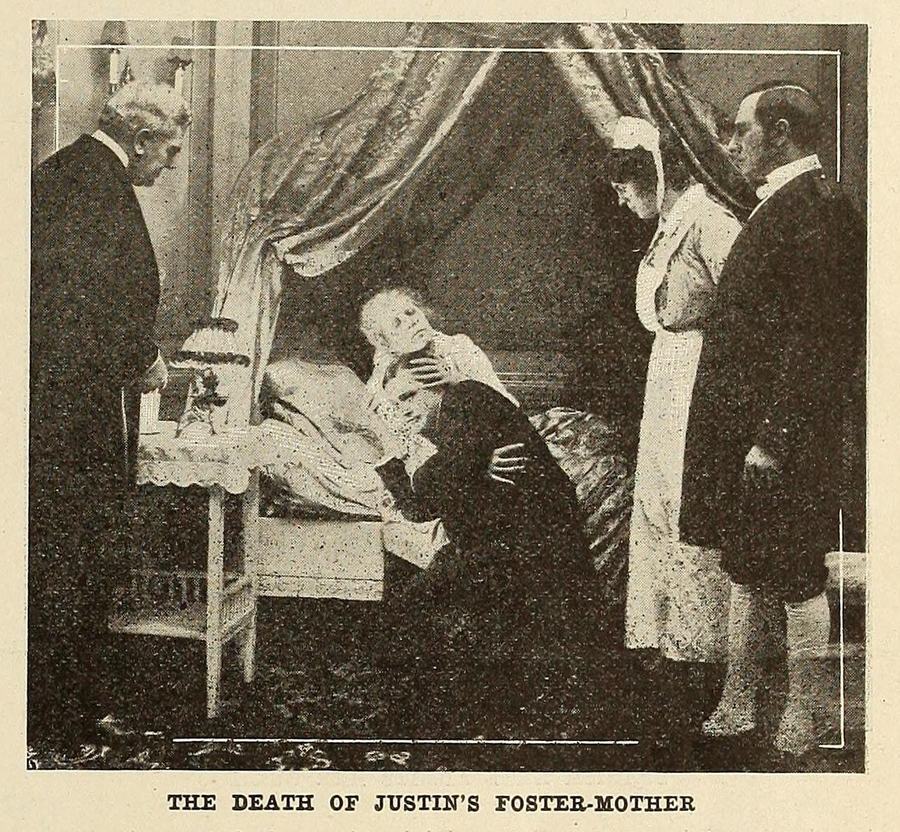
The genesis of this profound drama lies in a moment of unspeakable grief and desperate expediency. A Countess, her world shattered by the sudden, premature death of her infant son, encounters Ayla, a young Romani mother cast out from her community with her own nameless babe. In a decision fraught with both compassion and profound moral compromise, the Countess, envisioning her husband's crushing disappointment, replaces her deceased child with Ayla's. This audacious act of substitution, a clandestine exchange witnessed only by the stars and the silent, complicit earth, sets in motion a chain of events that will ripple through decades, ultimately demanding an unbearable toll. It’s a narrative device that, while perhaps melodramatic by modern standards, was a powerful engine for exploring societal norms and personal ethics in films like Birth, where questions of lineage and identity often became central to a character’s destiny.
Fast forward thirty-five years, and the consequences of this foundational deception have blossomed into an unforeseen grandeur. Justin Winthrop Jr., the Romani infant elevated to aristocracy, has ascended to the echelons of political power, a man of distinguished bearing and intellect, on the cusp of becoming Minister of Foreign Affairs. His success, ironically, is a direct result of the Countess’s initial, desperate act of love. Yet, the very heights he achieves render him vulnerable to the subterranean currents of jealousy and political ambition. Beresford, a rival consumed by envy, views Justin's impending appointment with palpable fury. The stage is perfectly set for a dramatic collision, a testament to how past transgressions, no matter how well-buried, inevitably claw their way back into the present, often with devastating force. This thematic resonance with hidden pasts affecting public lives can be seen in other silent era dramas where reputation was paramount, such as The Girl Who Didn't Think, though perhaps with less overt political stakes.
The catalyst for the unraveling arrives in the form of a deathbed confession, a letter penned by the Countess, revealing the truth of Justin's birthright. This missive, a weapon of unparalleled potency, falls into the grasping hands of Beresford’s butler, an accomplice in the rival's scheme. Here, the film masterfully employs the trope of the fateful letter, a narrative device often used to propel plots in early cinema, much like the dramatic revelations found in A Man of Sorrow. The sheer audacity of Beresford's plan, to weaponize an individual's origins for political gain, speaks volumes about the cutthroat nature of power dynamics, then as now. His consultation with Madam de Thebes, the renowned clairvoyant – who, unbeknownst to him, is Ayla, Justin’s true mother – adds a layer of tragic irony, a blind man seeking guidance from the very person he seeks to destroy, a prophetess unknowingly predicting her own son's political triumph, albeit through a circuitous and painful route.
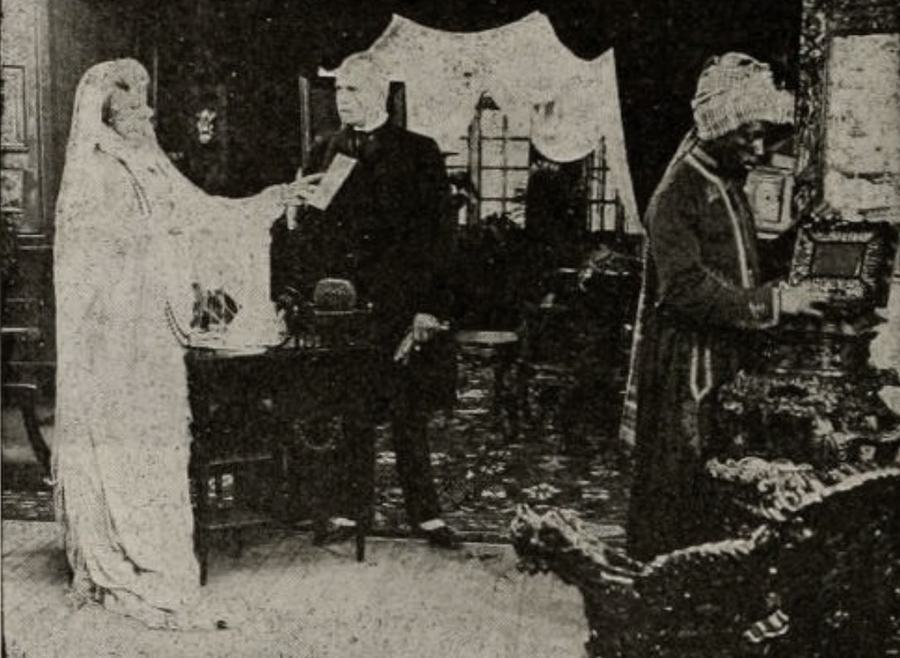
Amidst this brewing storm of political intrigue and familial secrets, a tender, unexpected romance blossoms. Justin, displaying an inherent nobility, rescues Louise Beresford, his rival's daughter, from a robber. This classic 'love at first sight' scenario, a common, yet always effective, narrative beat in films like After the Ball, injects a crucial element of human connection into the cold calculations of power. Louise, an unwitting participant in her father's machinations, soon finds herself torn between filial loyalty and nascent love. Her discovery of her father and the butler discussing the stolen letter, a testament to the pervasive nature of secrets within the domestic sphere, immediately places her in a moral dilemma of epic proportions. Her subsequent warning to Justin underscores her burgeoning affection and her intrinsic sense of justice.
The narrative tension ratchets up as Madam de Thebes, sensing imminent danger and fearing arrest, sends a locket containing the Countess's photograph to Louise. This locket, given to Ayla by the Countess as a symbol of their shared secret, becomes a poignant, albeit dangerous, artifact. Madam de Thebes, aware of Louise’s affection for Justin, entrusts her with this vital piece of the puzzle, a desperate act of preservation. The tragic irony deepens as Louise, unconscious of the profound implications, presents the locket to her father, inadvertently providing him with the final, irrefutable proof he needs to publicly discredit Justin. This moment is a cruel twist of fate, demonstrating how even acts of love and trust can, in a world governed by malice, become instruments of destruction. The complexities of loyalty and accidental betrayal recall the intricate moral landscapes explored in films such as The Wager, where characters often find themselves entangled in webs of their own making or those spun by others.
The climax of The Mother Who Paid is a heart-wrenching spectacle of sacrifice and redemption. Madam de Thebes, having been arrested, achieves a miraculous escape from prison through Louise's determined intervention. Her dash to the House of Parliament, a race against time, is imbued with a desperate urgency, a mother's primal instinct to protect her offspring. She arrives precisely as Beresford launches his public accusation, intending to expose Justin as the son of a Romani fortune-teller, thereby shattering his political career and social standing. In a moment of breathtaking courage and profound love, Madam de Thebes refutes the accusation, not by denying her identity, but by claiming Justin as her son, thereby confirming the truth, yet simultaneously shielding him from the stigma by accepting it herself. It is a moment of self-immolation, a deliberate act of public sacrifice that transcends mere melodrama, elevating her to a figure of tragic heroism. This kind of powerful, self-sacrificing female character resonates with the strong, often suffering women depicted in films like Maria Magdalena or Strejken, who face immense societal pressure or personal hardship with remarkable fortitude.
The emotional weight of this scene is immense. Madam de Thebes, having delivered her truth, collapses, her life force ebbing away. She is carried to an antechamber, where the reconciliation between Beresford and Winthrop, chastened by the raw power of her sacrifice, unfolds. In her final moments, she maintains her stoic facade, subduing the overwhelming maternal desire to finally embrace her son, to whisper the truth of her love. It is a moment of exquisite agony, a silent testament to a lifetime of unspoken affection. Her failing senses can barely register Justin’s tender whisper, “My mother,” a recognition that comes tragically late, yet profoundly meaningful. This delayed recognition of a parent's love and sacrifice is a recurring motif in cinema, often explored with poignant effect, as seen in the emotional resolutions of films like Little Pal, where familial bonds are tested and ultimately affirmed.
While the film’s narrative is undeniably compelling, its emotional core rests heavily on the performance of its lead, Regina Wethergren. Though specific details of her portrayal of Ayla/Madam de Thebes might be lost to the mists of time for many, the very structure of the plot demands a performance of immense subtlety and emotional depth. Wethergren, in what must have been a tour de force of silent acting, would have had to convey the quiet dignity of an outcast, the profound grief of a mother, the cunning of a clairvoyant, and ultimately, the heartbreaking resolve of a woman willing to die for her child's future. The effectiveness of silent cinema hinged entirely on the actor's ability to communicate complex internal states through gesture, facial expression, and body language. Wethergren's challenge was to embody a character whose love was a constant, yet silent, undercurrent throughout the film, only to burst forth in that one, final, declarative act. Her performance, undoubtedly, would have been the anchor for the film's profound emotional impact, requiring a range that few actors of any era could master. The nuanced agony of a mother's unacknowledged love, a theme explored with varying degrees of success across cinematic history, here finds its zenith in the silent, eloquent suffering of Wethergren's character.
The film's technical aspects, though characteristic of its period, would have served to heighten the drama. The use of intertitles, carefully crafted to convey dialogue and internal monologues, would have punctuated the visual storytelling, guiding the audience through the intricate plot. Cinematography, likely utilizing stark contrasts and dramatic close-ups, would have emphasized the emotional intensity of key scenes, particularly Madam de Thebes's final moments. The pacing, a crucial element in silent films, would have been deliberate, allowing the audience to absorb the visual information and the emotional weight of each scene. While we don't have the benefit of seeing it through contemporary eyes, one can imagine the powerful effect of such a narrative unfolding on the silver screen, accompanied by a live orchestra providing the emotional score, much like the immersive experience of watching a film like Kitchener's Great Army in the Battle of the Somme, where the visuals were enhanced by the accompanying music.
The Mother Who Paid is more than just a historical curiosity; it is a profound exploration of universal themes. The film delves into the pervasive nature of class distinctions, highlighting how a Romani woman's child could be deemed an unacceptable heir, despite possessing all the inherent qualities of leadership. It questions the very definition of 'family' and 'motherhood,' suggesting that love and sacrifice transcend biological ties and societal constructs. The Countess, in her initial act, and Ayla, in her ultimate sacrifice, both embody different facets of maternal love, each driven by a fierce desire to protect a child, albeit through vastly different means. This duality of motherhood and the societal pressures that shape it echoes through various cinematic narratives, finding resonance in the struggles of women depicted in films like Mrs. Slacker, where societal expectations often dictate personal choices.
The film also serves as a potent commentary on political ambition and the moral compromises inherent in the pursuit of power. Beresford’s willingness to exploit a deeply personal secret for professional gain speaks to a timeless cynicism in the political arena. Yet, the film ultimately suggests a path towards reconciliation, as Beresford and Winthrop find common ground in the wake of Madam de Thebes’s tragic death, united by their shared witness to an extraordinary act of selfless love. This nuanced portrayal of antagonists, who are not entirely irredeemable, adds a layer of sophistication to the narrative, preventing it from devolving into simplistic good-versus-evil tropes. The intricate ethical entanglements and the eventual moral reckoning are reminiscent of the dramatic tension found in films like The Bride of Hate, where characters grapple with the consequences of their actions and the corrosive power of animosity.
In conclusion, The Mother Who Paid stands as a compelling example of early cinematic artistry, weaving together threads of melodrama, political intrigue, and profound human emotion into a cohesive and impactful whole. It is a story that reminds us of the enduring power of secrets, the fragility of identity, and the boundless, often tragic, nature of a mother’s love. Its legacy lies not just in its historical significance but in its ability to provoke thought and stir the heart, proving that even in the silent era, films possessed an unparalleled capacity to explore the most complex and timeless aspects of the human condition. The whisper of “My mother” at its close, unheard by the dying, yet echoing loudly in the hearts of the audience, encapsulates the profound, often unacknowledged, sacrifices that shape our lives and define our very being. Such a powerful narrative invites audiences to reflect on the hidden costs of ambition and the profound, transformative power of unconditional love, a narrative depth that ensures its continued relevance for those willing to look beyond the passage of time and engage with its compelling, if silent, voice.
IMDb —
1936
Community
Log in to comment.