DbcultAccessing Vault...
Cult Review
Senior Film Conservator
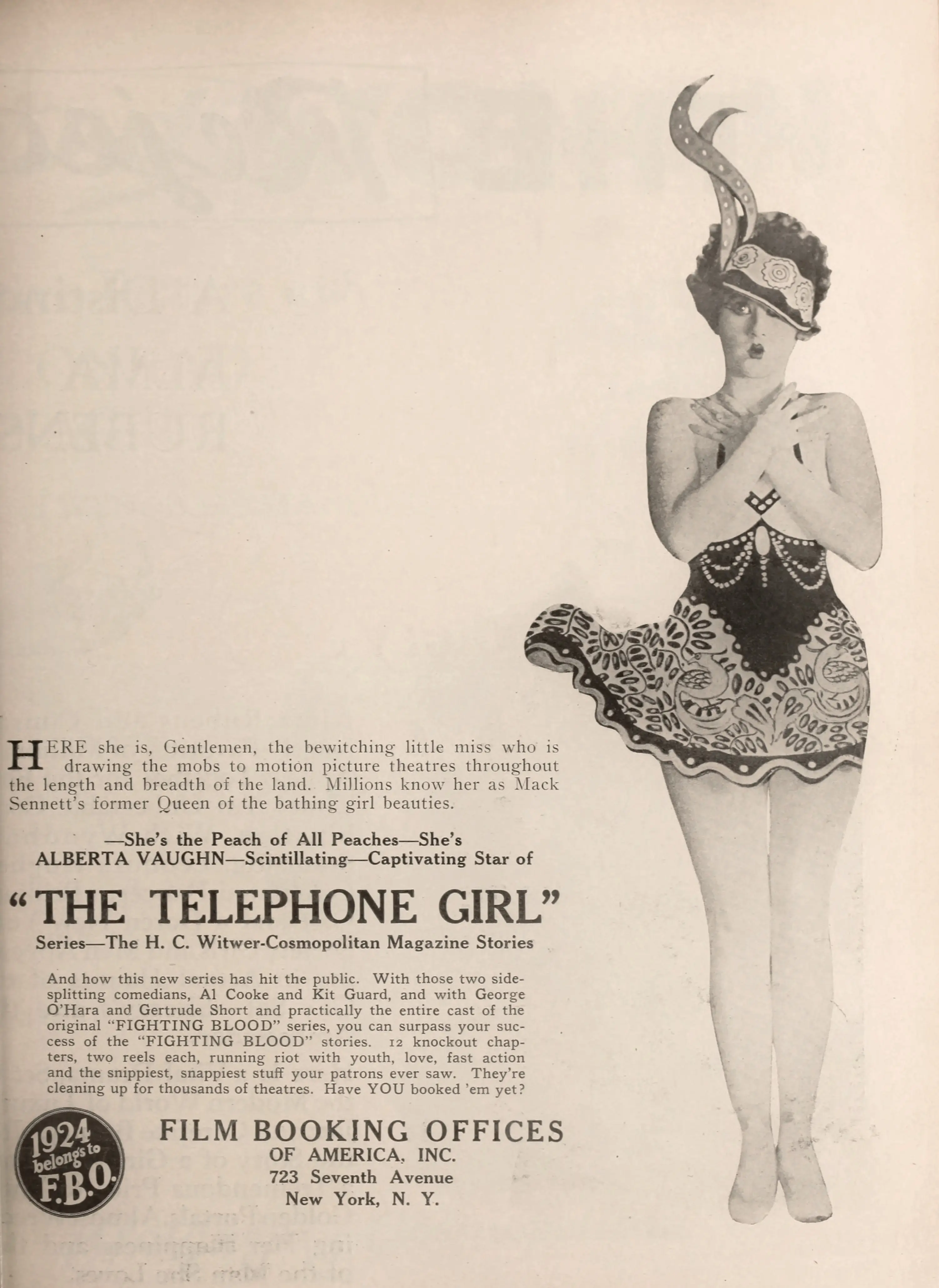
King Leary, a film released during the silent era, captivates with its intricate narrative and exceptional performances. The story unfolds aboard a ship en route to Paris, where two girls, unaccompanied and perhaps a bit naive, are drawn into a complex web of deception and romance.
The central characters are Alberta Vaughn and Arthur Rankin, who bring to life the innocence and vulnerability of their roles. Their dynamics with the burly prizefighter, played by Al Cooke, and the mysterious actor impersonating a chaperone, portrayed by Kit Guard, create a tense and engaging atmosphere.
The film's plot is a masterclass in suspense and intrigue. The deception at the heart of the story is both subtle and overt, often blurring the lines between reality and illusion. The characters navigate a world where appearances can be deceiving, and trust is a fragile commodity.
The writing, co-authored by Darryl F. Zanuck, George Marion Jr., and H.C. Witwer, is rich with detail and nuance. Their ability to weave multiple storylines and characters into a cohesive narrative is a testament to their skill. The film's pacing is expertly managed, building tension and delivering a satisfying payoff.
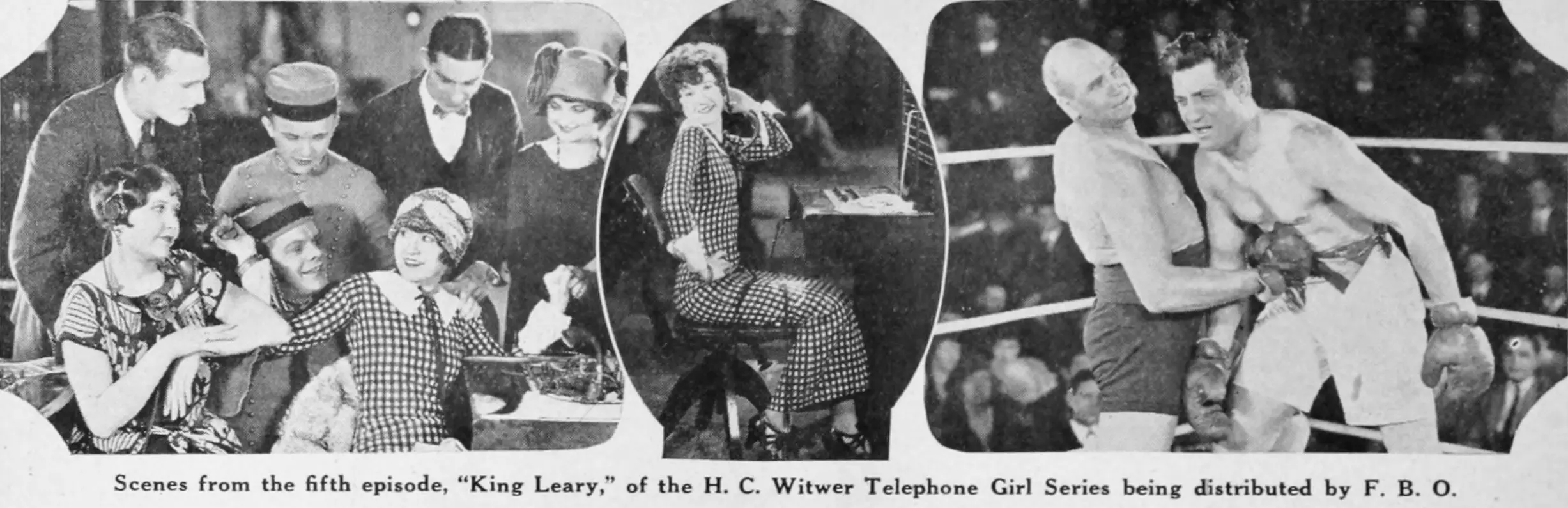
The cinematography of King Leary is noteworthy, with a focus on capturing the grandeur of the ship and the bustling port of Paris. The use of lighting and shadow adds depth to the scenes, enhancing the mood and atmosphere. The costume design, particularly the elegant attire of the two girls, complements the film's period setting and adds to the visual appeal.
When viewed in the context of early 20th-century cinema, King Leary stands out as a unique piece. It shares thematic similarities with films like Crime and Punishment (1923) and Not Guilty (1921), which also explore themes of deception and moral ambiguity. However, King Leary adds a layer of romantic tension and character development that sets it apart.
The performances in King Leary are commendable. Arthur Rankin and Alberta Vaughn deliver natural and heartfelt performances, bringing authenticity to their characters. Al Cooke's burly prizefighter is a standout, adding a physicality and intensity to the narrative. The supporting cast, including Gertrude Short and Kit Guard, also contribute to the film's success, bringing depth and complexity to their roles.
The film's use of sound is minimal, given its silent nature, but the music and sound effects enhance the atmosphere effectively. The score, while not as prominent as in later films, adds to the emotional resonance of key scenes.
King Leary is a film that rewards close attention. Its exploration of trust, deception, and the complexities of human relationships make it a compelling watch. While it may not be as widely known as some of its contemporaries, it is a testament to the artistry and storytelling of its era. For film enthusiasts and those interested in silent cinema, King Leary is a must-watch, offering a glimpse into a time when storytelling was as much about subtlety as it was about spectacle.
IMDb 4.7
1936
Community
Log in to comment.