DbcultAccessing Vault...
5.3/10
Senior Film Conservator

A definitive 5.3/10 rating for a film that redefined the boundaries of cult cinema. Kirke og orgel remains a cornerstone of transgressive art.
"Kirke og orgel" is one of those quiet, old Danish films that really asks for your patience. If you're into early 20th-century European dramas, especially ones that lean into the melancholic side of things, you might just find something beautiful here. But if you need fast pacing or big dramatic swings, this one will probably feel like watching paint dry. It’s for folks who like to sit with a story, not just consume it. 😌
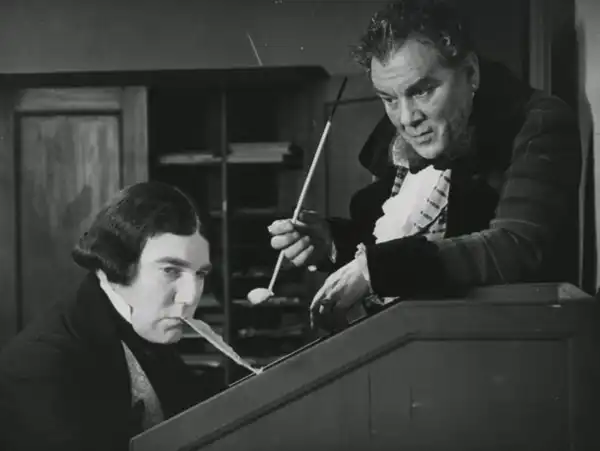
The story centers on Grethi Birger, played by Karin Nellemose, who’s just 17 and suddenly all alone. Her famous singer mother dies in Paris, and Grethi never knew her father. It’s a pretty heavy start, right? The film really takes its time showing us this profound isolation. There’s a scene early on, Grethi in her mother's empty apartment, just tracing a finger over a forgotten sheet music. It's a small thing, but it hits.
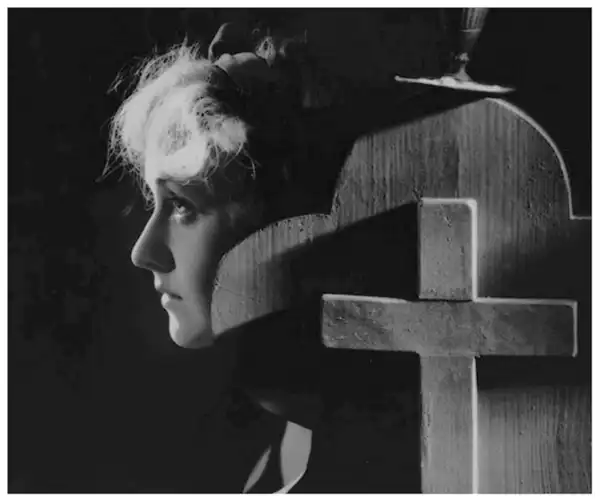
She ends up in a small Danish town, seeking out some distant relatives, a new world entirely. The contrast between bustling Paris and this quiet, almost sleepy place is huge. You can almost feel the chill in the air of those old houses.
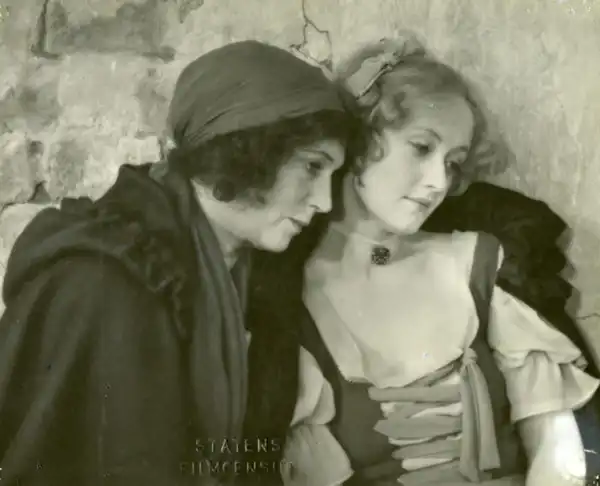
The "organ" part of the title comes in through the local church. Grethi finds herself drawn to it, especially to the organist, played by Kai Holm. He’s this stoic, kind man, a steady presence. Their interactions are often just glances, or a shared moment looking at the organ pipes. He doesn't say much, but you get the sense he understands her quiet grief.
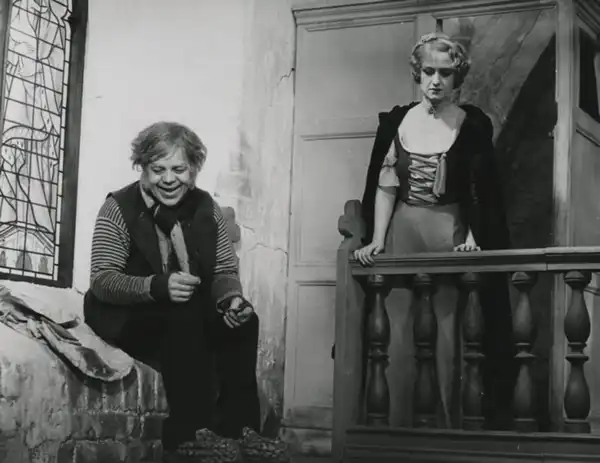
There's a subtle subplot about her mother's past, and Grethi trying to piece together who her father was. It's not a mystery film, though. More like a gradual uncovering of old wounds and hidden truths. One character, a stern but ultimately caring figure played by Clara Pontoppidan, holds some of these keys. She has this way of looking at Grethi, almost like she sees her mother in her.
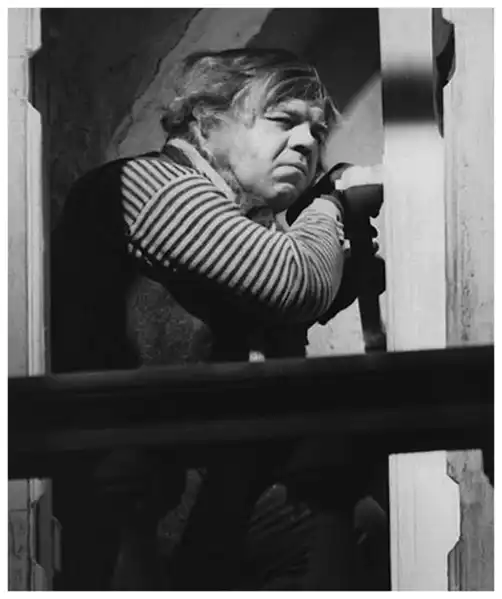
The movie gets noticeably better once Grethi starts finding her own voice, literally. She sings, sometimes at the church. These moments are really poignant, sometimes a bit rough around the edges, but just raw. The film doesn't try to make her a sudden star; it’s more about the act of creating, finding comfort.
I remember thinking about the cinematography during one particular scene. Grethi is walking along a cobbled street, and the camera just stays a little too far back. Almost like we’re observing her from a distance. Makes her feel even more isolated, a tiny figure in a wide, indifferent world. Then later, there's a close-up of her hands on the organ keys, and that intimacy feels earned.
Some of the dialogue feels a little stilted by today's standards, very formal. But then, it’s an old film, right? You kinda get used to it. The emotions are still very much there, just expressed differently.
The search for her father... it’s not exactly a thrilling detective story. More like a series of quiet, hesitant encounters and vague recollections. It’s not about some big reveal, you know? It’s about her finding a connection, even if it’s just a piece of a puzzle.
"Kirke og orgel" isn't a film you'll watch for high drama or plot twists. It's a mood piece, a quiet exploration of grief and finding your place. It's about the small moments of human connection that build up, slowly, like the layers of an old song.
IMDb —
1921
Community
Log in to comment.