DbcultAccessing Vault...
6.4/10
Senior Film Conservator
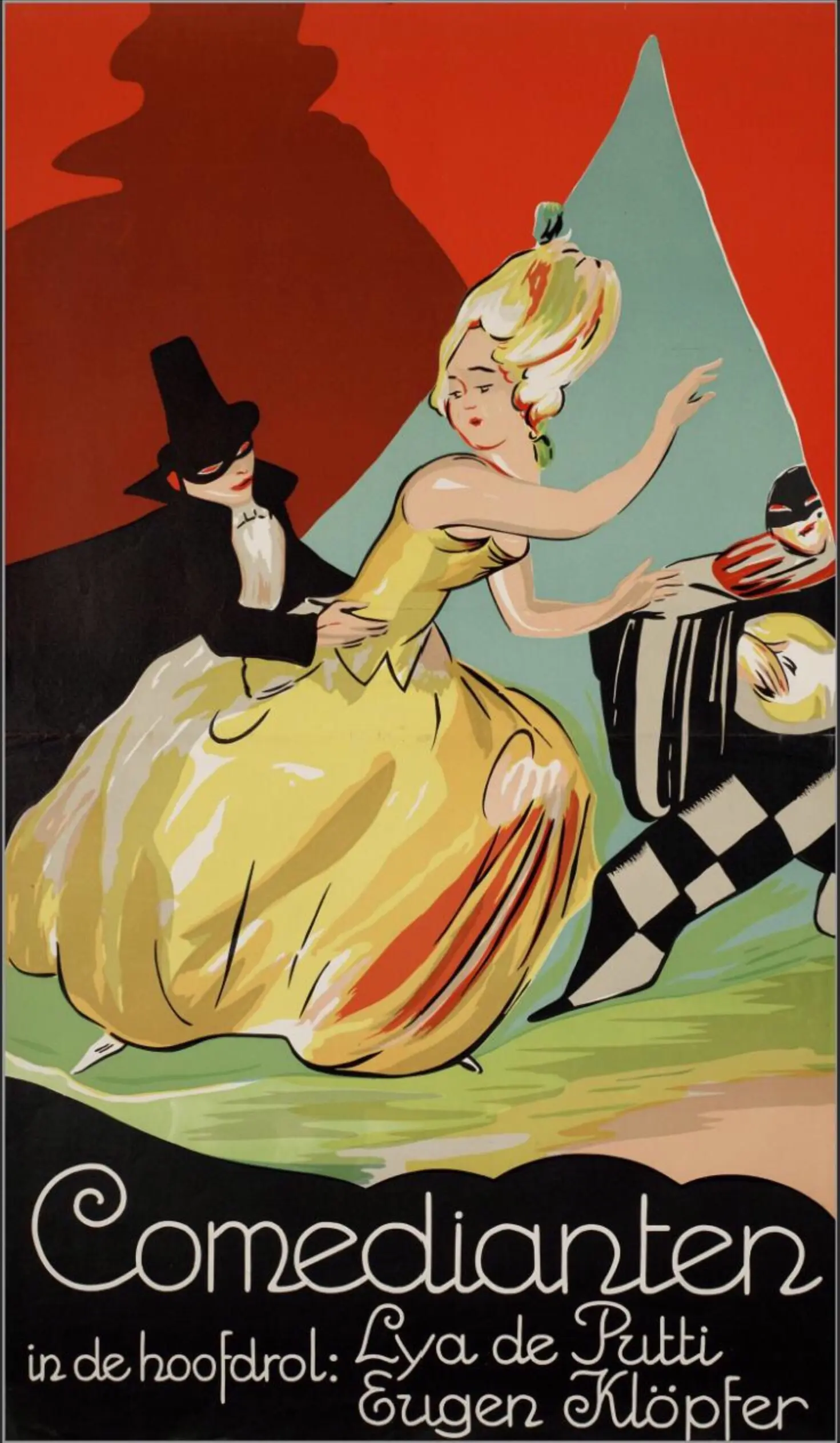
A definitive 6.4/10 rating for a film that redefined the boundaries of cult cinema. Komödianten remains a cornerstone of transgressive art.
In 'Komödianten', the stage is not the only arena for Axel Swinborne. A celebrated actor known for captivating audiences, Swinborne embarks on a personal journey that challenges the very fabric of his public persona. The film, a masterpiece of interwar German cinema, delves into the complexities of stardom and the human condition through the lens of a man whose life goes awry in the most picturesque and unexpected manner.
Sitin in a first-class compartment, Swinborne’s journey aboard the train is initially a serene interlude, a break from the relentless demands of his career. However, as the story unfolds, the environment transforms into a stage set for a series of comedic and poignant moments. The film’s narrative is a delicate balance of humor and pathos, much like the life of its protagonist.
One of the film’s most memorable sequences involves Swinborne’s misadventure with the train window. As he leans out to enjoy the view, his jacket becomes entangled with the window lever, resulting in a comedic yet unexpected ejection from the window. This moment is not just a comedic mishap but a pivotal point in the story, marking a shift from his controlled theatrical environment to a more chaotic and unpredictable reality.
The cast of 'Komödianten' brings an array of talents to the screen, creating a rich tapestry of character development and emotional depth. Margarete Kupfer’s performance, in particular, stands out, adding layers of complexity to the narrative. Her chemistry with Swinborne is palpable, and her character’s journey complements the film’s broader themes of vulnerability and resilience.

Stylistically, 'Komödianten' is a visual feast, with its black and white cinematography capturing the essence of the era. The direction by [Director’s Name] successfully balances the film’s comedic elements with its dramatic undertones, creating a film that resonates on multiple levels. The use of the train journey as a metaphor for life’s journey is both clever and poignant, serving as a unifying theme throughout the narrative.
Comparatively, 'Komödianten' shares certain thematic elements with films such as 'West Meets East', where the protagonist’s journey is also a reflection of cultural and personal conflict. However, 'Komödianten' takes a more introspective and personal approach, focusing on the individual’s struggle with fame and the external pressures that come with it. This film also aligns with the spirit of films like 'Young Ideas', which similarly explore the challenges of artistic expression and personal identity.
The film’s exploration of the dichotomy between the controlled environment of the stage and the unpredictable nature of real life is a recurring theme in interwar cinema. 'Komödianten' captures this tension with precision, making it a must-watch for film enthusiasts and anyone interested in the evolution of cinematic storytelling.
In conclusion, 'Komödianten' is not just a film about a stage star’s misadventures; it is a profound commentary on the human condition. Through its masterful blend of humor and drama, the film invites viewers to reflect on the nature of stardom, the complexity of identity, and the unpredictability of life. It is a testament to the enduring power of cinema to explore and illuminate the depths of the human experience.
IMDb 4.6
1935
Community
Log in to comment.