DbcultAccessing Vault...
Cult Review
Senior Film Conservator
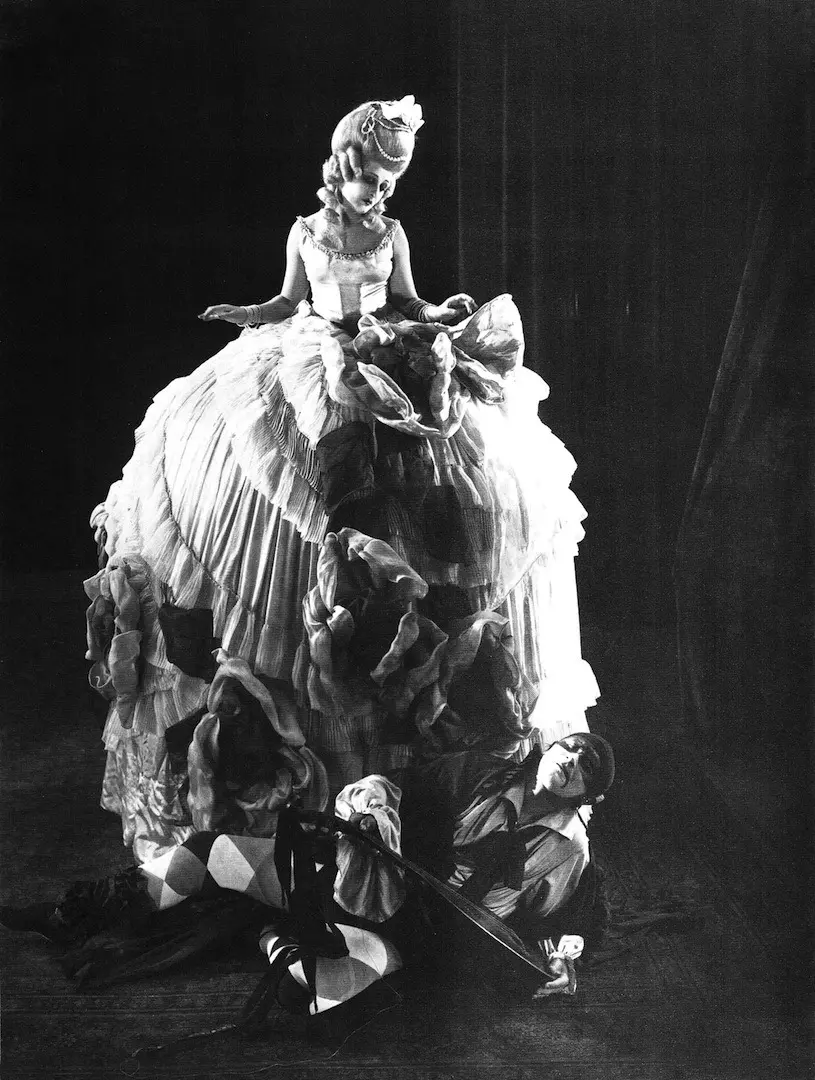
In the realm of silent cinema, few films have managed to captivate audiences with the same level of complexity and nuance as 'Komödianten des Lebens'. This 1928 German masterpiece, directed by a visionary team of filmmakers, presents a rich tapestry of human experience, deftly exploring themes of love, loss, and redemption.
The film's narrative is a labyrinthine exploration of the human condition, weaving together the lives of an eclectic ensemble cast, including Bob-Roy, Bruno Kastner, and Elga Brink. As their paths converge and diverge, the audience is treated to a cinematic odyssey that defies genre boundaries and challenges traditional notions of storytelling.
One of the most striking aspects of 'Komödianten des Lebens' is its use of visual motifs and symbolism. The film's cinematography is a masterclass in atmospheric lighting, with stark contrasts between light and dark serving to underscore the characters' emotional journeys. This attention to detail is reminiscent of other films from the era, such as Without Evidence and Ludzie bez jutra, which also employed innovative cinematographic techniques to convey the complexities of the human experience.
The cast of 'Komödianten des Lebens' delivers performances that are at once captivating and heartbreaking. Bob-Roy, in particular, shines as a charismatic leading man, bringing a sense of vulnerability and depth to his portrayal of a man struggling to find his place in the world. The supporting cast, including Bruno Kastner and Elga Brink, add to the film's emotional resonance, creating a sense of community and shared experience that is both poignant and powerful.
Thematic resonance is a key element of 'Komödianten des Lebens', with the film's exploration of love, loss, and redemption striking a chord with audiences. This is a film that lingers long after the credits roll, its haunting beauty and emotional depth leaving a lasting impact on viewers. In this sense, it is comparable to films like Die toten Augen and The Shoes That Danced, which also explored the complexities of human emotion through innovative storytelling and visual techniques.
In the context of silent cinema, 'Komödianten des Lebens' occupies a unique position, blending elements of drama, comedy, and romance to create a cinematic experience that is at once timeless and deeply rooted in its historical moment. This is a film that rewards close attention and multiple viewings, its complexities and nuances revealing themselves gradually over time.
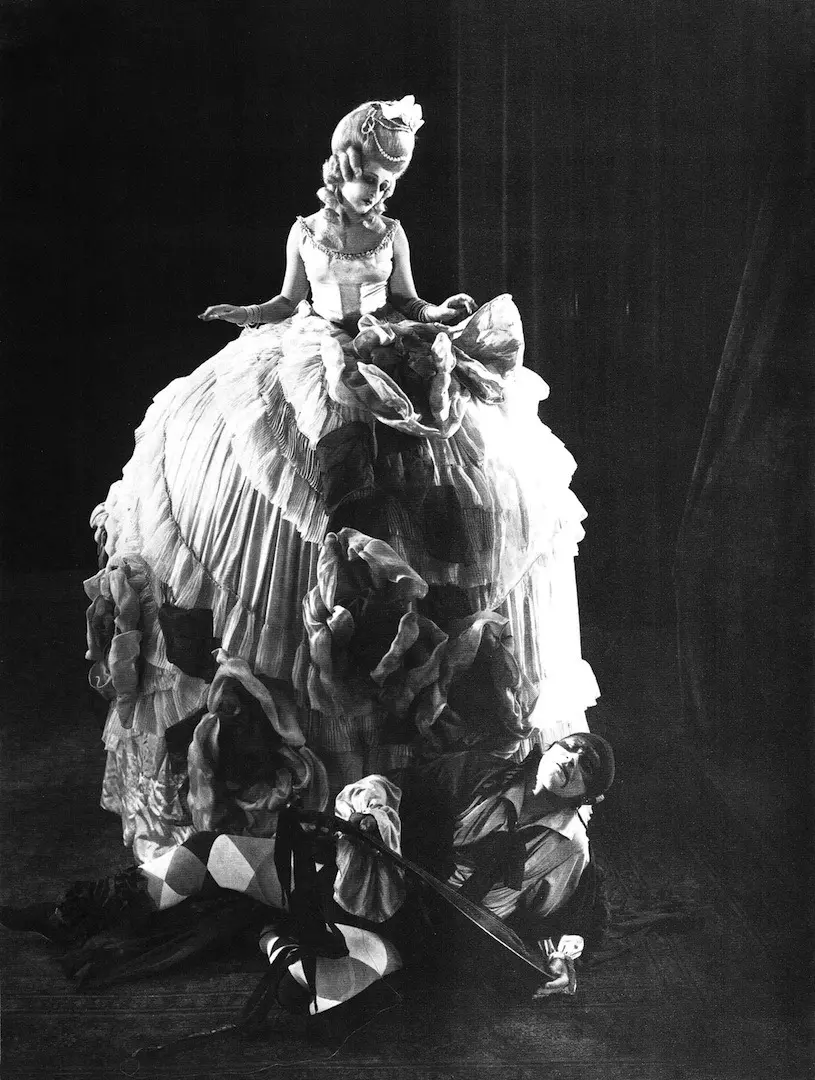
From a technical standpoint, 'Komödianten des Lebens' is a marvel of silent filmmaking, with its use of title cards, montage sequences, and atmospheric lighting creating a rich sensory experience. The film's score, while not surviving in its entirety, has been reconstructed through archival research, providing a glimpse into the sonic landscape of the original cinematic experience.
The film's writers, Rudolf Stratz, Robert Liebmann, and Hanns Kräly, have crafted a narrative that is at once engaging and thought-provoking, their dialogue and character development imbuing the film with a sense of authenticity and emotional resonance. This attention to detail is a hallmark of the film's production team, who clearly spared no expense in bringing this ambitious project to life.
In comparison to other films of the era, 'Komödianten des Lebens' stands out for its sheer ambition and scope. While films like The Eternal Sin and Her Own People explored themes of morality and social justice, 'Komödianten des Lebens' presents a more nuanced and introspective portrayal of human experience.
Ultimately, 'Komödianten des Lebens' is a film that defies easy categorization, its complexities and nuances ensuring that it will continue to captivate audiences for generations to come. This is a cinematic masterpiece that rewards close attention and multiple viewings, its haunting beauty and emotional depth leaving a lasting impact on viewers.
For fans of silent cinema, 'Komödianten des Lebens' is a must-see experience, offering a glimpse into the artistic and cultural landscape of 1920s Germany. The film's themes of love, loss, and redemption are timeless, its use of visual motifs and symbolism creating a rich sensory experience that continues to captivate audiences today.
In conclusion, 'Komödianten des Lebens' is a cinematic treasure that continues to inspire and captivate audiences with its haunting beauty and emotional depth. This 1928 masterpiece is a must-see experience for fans of silent cinema, offering a glimpse into the artistic and cultural landscape of 1920s Germany and presenting a nuanced and introspective portrayal of human experience.

IMDb —
1921
Community
Log in to comment.