DbcultAccessing Vault...
Cult Review
Senior Film Conservator
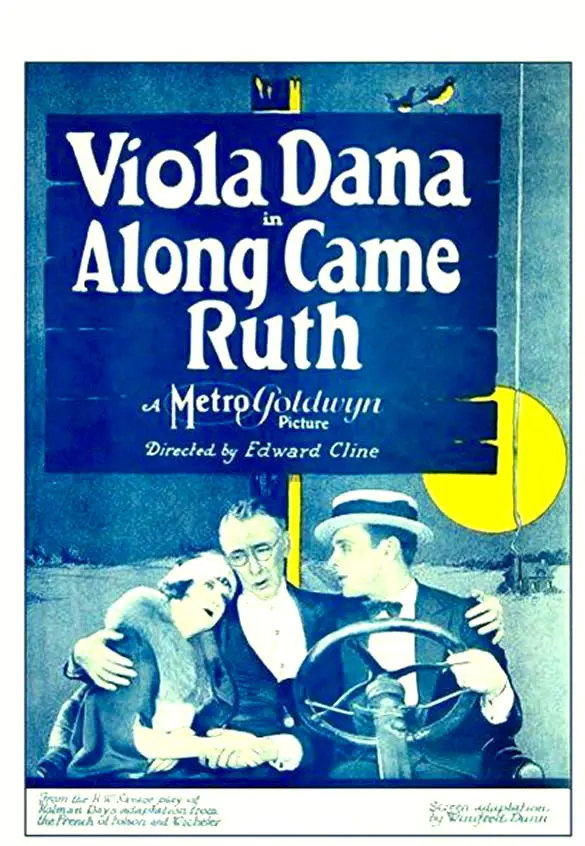
To watch Along Came Ruth (1924) in the modern era is to witness a fascinating collision between the agrarian past and the industrial, consumer-driven future. The film, directed with a light but purposeful hand, serves as a quintessential vehicle for Viola Dana, an actress whose facial vocabulary could translate entire paragraphs of dialogue without a single intertitle. In the 1920s, the American landscape was shifting, and the cinema was the primary laboratory where these changes were tested. Here, we see the 'Action' of Maine not as a descriptor of pace, but as a sarcastic indictment of small-town inertia—until Ruth Ambrose arrives.
The premise might seem, at first glance, to be a standard 'stranger in town' trope, yet it carries a weight of social commentary that many of its contemporaries lacked. Unlike the melodramatic tension found in The Door Between, which explored the psychological barriers of domesticity, Along Came Ruth focuses on the externalization of internal drive. Ruth is a catalyst. She arrives not as a supplicant, but as a tenant who quickly realizes that the space she occupies—both physical and social—is ripe for revolution.
Viola Dana’s performance is nothing short of a revelation. In an era where many silent stars relied on the broad, sweeping gestures of the Delsarte method, Dana opts for a twitchy, high-energy realism. Her Ruth Ambrose is a woman of the jazz age, even if she finds herself in the backwoods of Maine. Every tilt of her head and flash of her eyes suggests a mind that is constantly three steps ahead of the men around her. This isn't just 'vivacious charm,' as the plot summaries of the time might suggest; it is a calculated application of personality as a business tool.
When compared to the more traditional heroine archetypes seen in films like The Princess of Patches, Dana’s Ruth feels strikingly contemporary. She doesn't wait for a windfall or a marriage proposal to secure her future. Instead, she takes the dusty, neglected inventory of Israel Hubbard and rebrands it. She understands the psychology of the consumer long before it was a formalized science. She sells the dream of a refined home to a town that had forgotten how to dream.
The furniture store itself acts as a character in the film. Initially, it is a tomb—a repository for things that are useful but devoid of life. Tully Marshall’s portrayal of Israel Hubbard is a masterclass in the 'old guard' archetype. He is the human personification of a mahogany wardrobe: sturdy, immovable, and slightly smelling of mothballs. His departure, leaving Ruth in charge, is the pivotal moment where the film shifts from a character study into a proto-feminist manifesto of industry.
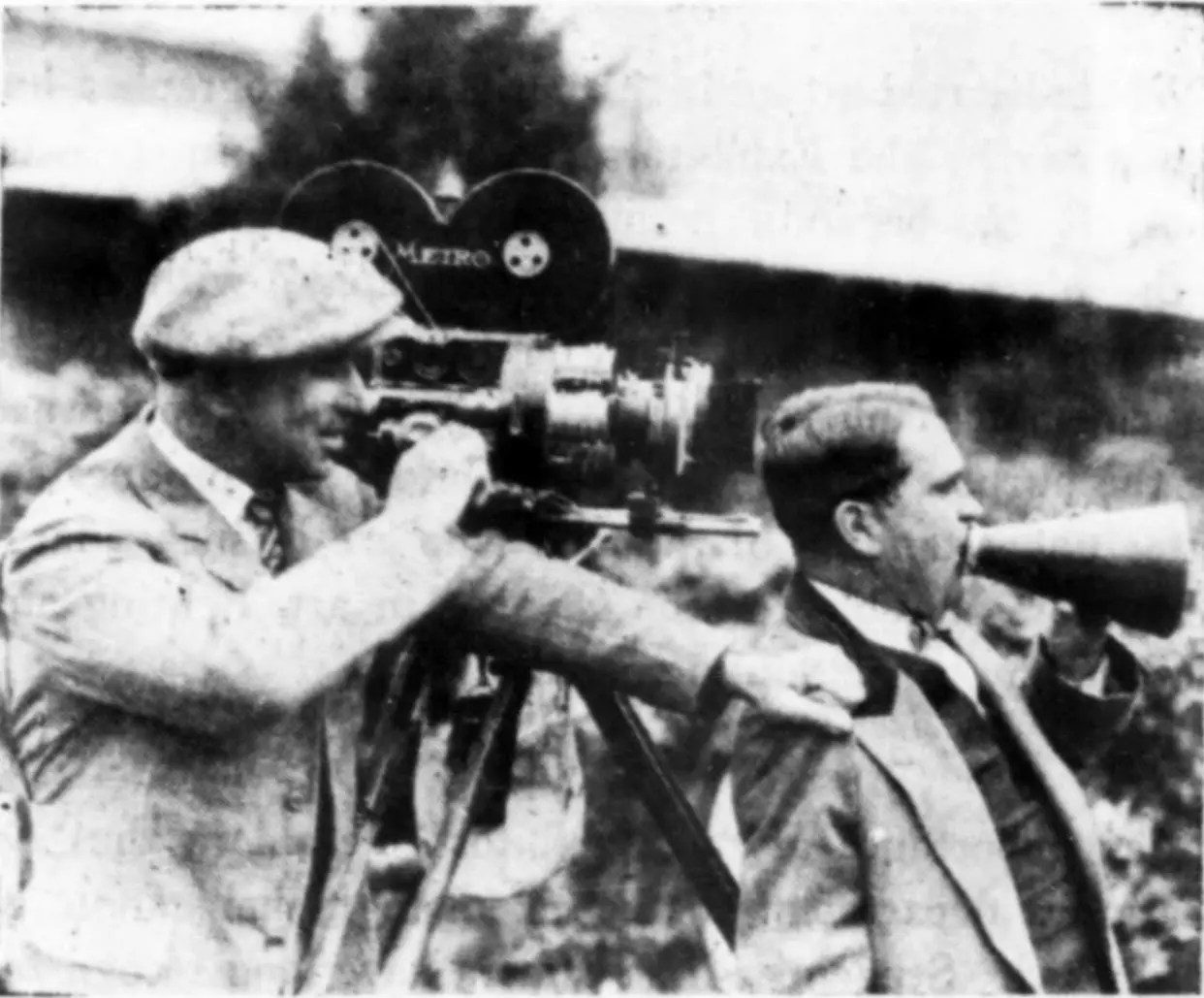
The way Ruth reorganizes the shop is captured with a surprising amount of visual flair. The cinematography highlights the contrast between the dark, cluttered corners of the 'old' shop and the light-filled, inviting spaces of the 'new' business. This transformation mirrors the thematic shifts seen in The Little Church Around the Corner, where community revitalization is a central pillar, though here the salvation is found in the marketplace rather than the pulpit.
The relationship between Ruth and Allan (Raymond McKee) is refreshingly devoid of the saccharine sentimentality that plagued many silent romances. Allan is the nephew of the storekeeper, but he isn't a mere foil. Their connection is forged through mutual respect for Ruth’s competence. In many ways, Along Came Ruth avoids the pitfalls of the 'damsel in distress' narrative. Ruth doesn't need saving; if anything, she is the one throwing a life raft to the Hubbard family legacy.
This dynamic reminds me of the subtle interpersonal negotiations in His House in Order, though Along Came Ruth carries a much lighter, more optimistic tone. The chemistry between Dana and McKee is palpable, grounded in a shared sense of purpose. They are building something together, a sentiment that resonated deeply with post-war audiences looking toward a future of shared prosperity.
When we place Along Came Ruth alongside other films of the period, its unique flavor becomes even more apparent. While A Prisoner in the Harem relied on exoticism and high-stakes melodrama to captivate its audience, Along Came Ruth finds its drama in the mundane—a clever sale, a witty retort, the subtle shift in a town’s perception. It shares a certain 'slice of life' DNA with Miss Peasant, yet it possesses a more sophisticated urbanity despite its rural setting.
The writing team, including the prolific Winifred Dunn, deserves immense credit for the pacing. Silent comedies often suffer from 'gag-lag,' where the plot grinds to a halt for a physical bit. Here, the humor is integrated into the narrative. The 'Action' in the town’s name becomes a recurring punchline that pays off as Ruth’s influence grows. It lacks the cynical edge of Trompe-la-Mort, opting instead for a wholesome but sharp-witted American optimism.
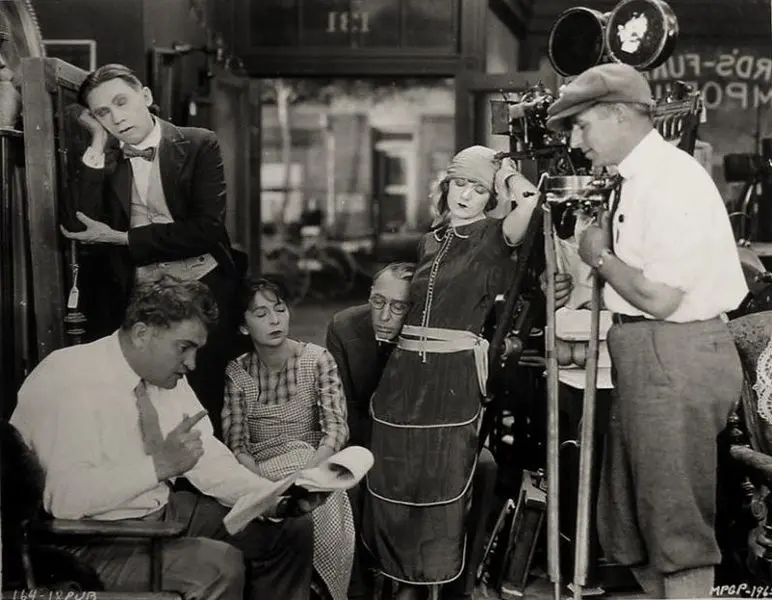
Technically, the film is a product of its time, but it utilizes the limitations of the silent medium to its advantage. The use of close-ups on Dana’s face allows the audience to track the internal calculations of her character. We see her assessing a customer, gauging their price point, and tailoring her 'vivacious charm' accordingly. It is a performance of a performance, a sophisticated layer of acting that elevates the film above mere slapstick.
The supporting cast, featuring stalwarts like Walter Hiers and Gale Henry, provides a colorful tapestry of small-town archetypes. They represent the 'before' to Ruth’s 'after.' Their comedic timing is impeccable, providing a rhythmic counterpoint to the central romance. One can see echoes of this ensemble dynamic in Youthful Cheaters, though the stakes here are far more endearing.
Why does Along Came Ruth matter today? It stands as a testament to the power of the female image in the early 20th century. Ruth Ambrose is a precursor to the modern 'girlboss,' but without the hollow corporate veneer. She is driven by a genuine desire to improve her surroundings and a pragmatic need for self-sufficiency. In the context of 1924, this was a radical proposition wrapped in a charming comedic package.
The film doesn't shy away from the realities of business. It acknowledges that charm alone isn't enough; one needs a profitable business model. This groundedness is what separates it from more ethereal silent fantasies like Miyama no otome. Ruth is a woman of the earth, of the ledger, and of the heart.
As we navigate the film's final act, the resolution feels earned. The romantic payoff with Allan isn't a prize for Ruth’s beauty, but a recognition of her spirit. It’s a sophisticated ending for a film that could have easily settled for a generic wedding scene. Instead, we are left with the sense that Action, Maine, will never be the same again, and neither will the viewers who have been swept up in Ruth’s wake.
In the grand pantheon of silent cinema, Along Came Ruth deserves a more prominent seat. It is a vibrant, intelligent, and thoroughly entertaining piece of work that showcases Viola Dana at the height of her powers. It manages to be both a product of its era and a timeless story of reinvention. Whether you are a scholar of the silent screen or a casual viewer looking for a story with heart and wit, this film delivers in spades.
It reminds us that sometimes, the most revolutionary thing a person can do is walk into a room, open the curtains, and start moving the furniture. It is a film about the beauty of motion, the necessity of change, and the enduring power of a woman who knows her worth. While it may not have the epic scale of the National Red Cross Pageant, its intimate triumphs are no less significant. Along Came Ruth is, quite simply, a delight—a sepia-toned spark that still glows with an unmistakable fire.
IMDb 5
1921
Community
Log in to comment.