DbcultAccessing Vault...
Cult Review
Senior Film Conservator

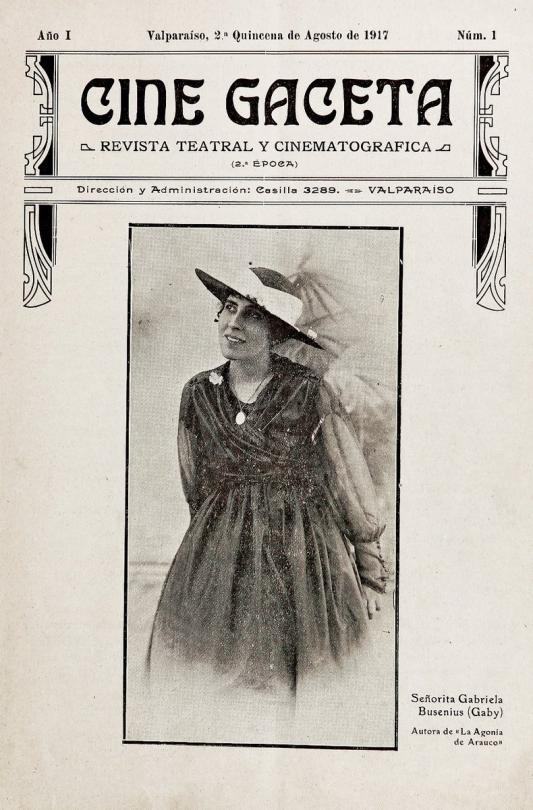
Stepping back into the nascent days of Chilean cinema, one encounters a profound, often overlooked masterpiece: La agonía de Arauco. This isn't just a film; it's a historical artifact, a testament to the sheer will and artistic vision of Gabriela Bussenius, a true pioneer who etched her name into the annals of film history as the first woman to direct a feature in Chile. Released in the silent era, this cinematic gem transcends its technical limitations to deliver an emotionally resonant narrative that still grips the soul, exploring themes of unimaginable grief, cultural collision, and the arduous search for meaning in the wake of devastation. It's a film that asks us to look beyond the flickering images and embrace the raw, human experience at its core.
The narrative unfurls with a domestic catastrophe so shattering it reverberates through every frame. A father, through an agonizing twist of fate, inadvertently becomes the instrument of his own son's demise. The immediate aftermath is a tableau of unbearable anguish, culminating in the father's swift, desperate act of self-annihilation. This double tragedy leaves Isabel, portrayed with an arresting depth by Olga Donoso, not merely a widow but a woman adrift in a sea of unspeakable sorrow. The film doesn't shy away from the visceral impact of this loss, depicting the psychological collapse with an intensity that, even without spoken dialogue, communicates volumes. Donoso's expressions, her body language, become the very lexicon of her despair, a silent scream etched across the screen. It's a stark reminder of the power of early cinema to convey profound human emotion through purely visual means, a skill that often feels diluted in our sound-saturated contemporary landscape. One might draw parallels to the intense psychological dramas of the era, such as Tigre reale, where the operatic scale of human suffering similarly drives the narrative forward.
Isabel's subsequent journey south is more than a physical relocation; it is an internal pilgrimage, a desperate flight from the ghosts that haunt her domestic sphere. The film masterfully uses the expansive, untamed Chilean landscape as a mirror to her internal desolation. Each rugged mountain, each vast expanse of forest, seems to echo the emptiness within her. She seeks not merely forgetfulness, an impossible balm, but perhaps a new context for her pain, a place where the memories might lose their sharpest edges. This narrative choice elevates the film beyond a simple tale of woe, transforming it into an exploration of human resilience, or perhaps, the sheer, obstinate refusal of the spirit to simply extinguish itself. The journey itself becomes a character, a relentless force pushing Isabel towards an uncertain future, much like the relentless pursuit of identity seen in films like The Land of Promise, albeit with a profoundly different emotional core.
It is in the heartland of the Mapuche people, the indigenous inhabitants of southern Chile, that Isabel's desolate path intersects with a young Mapuche child. This encounter is the narrative's fulcrum, a moment of profound cultural collision that redefines Isabel's journey. The film, through this interaction, subtly but powerfully introduces the conflict of her culture – the European, urbanized despair – against the backdrop of an ancient, spiritually rich indigenous way of life. The child, often depicted with an innocent curiosity and an inherent connection to the land, serves as a stark contrast to Isabel's grief-stricken, alienated existence. This dynamic allows Bussenius to explore themes of cultural understanding and misunderstanding, of healing found in unexpected places, and of the universal human experience of loss that transcends societal divides.

The depiction of the Mapuche in La agonía de Arauco is particularly noteworthy for its time. While early cinema often grappled with simplistic or stereotypical portrayals of indigenous cultures – consider the adventurous yet sometimes reductive narratives in films like The Call of the North or In the Days of the Thundering Herd – Bussenius imbues her portrayal with a degree of respect and curiosity. The child is not merely a plot device but a catalyst for Isabel's emotional reawakening, a silent guide through a landscape both physical and spiritual. This interaction challenges Isabel's insular grief, forcing her to observe a different relationship with life, death, and the natural world. The film suggests that perhaps true healing lies not in forgetting, but in finding new ways to connect, to understand, and to exist within a broader, more diverse tapestry of humanity.
The significance of La agonía de Arauco is inextricably linked to its director, Gabriela Bussenius. In an era overwhelmingly dominated by male filmmakers, Bussenius not only broke through a formidable barrier but delivered a work of profound artistic merit. Her direction is marked by an acute sensitivity to human emotion and a masterful understanding of visual storytelling, essential traits for a silent film director. She leverages the stark contrasts of light and shadow, the expressive power of close-ups, and the sweeping grandeur of the Chilean landscape to convey a narrative rich in subtext and emotional depth. The absence of spoken dialogue forces the audience to engage more deeply with the visual cues, the actors' nuanced performances, and the evocative musical accompaniment that would have been live during its original screenings.
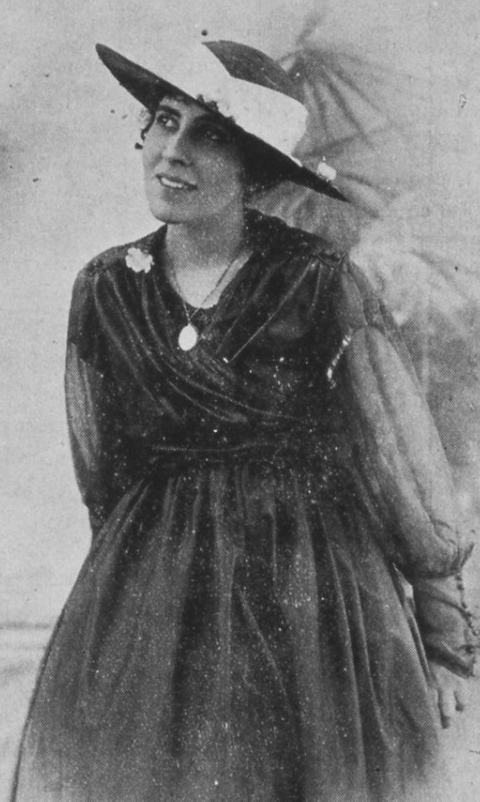
Bussenius, as both writer and director, demonstrates a remarkable command of pacing and emotional arc. She allows moments of stillness to breathe, letting Isabel's internal turmoil register fully, before propelling the narrative forward with new encounters and challenges. This deliberate rhythm is a hallmark of skilled silent film direction, a craft that demanded a unique understanding of how to guide an audience's emotional response without verbal exposition. Her pioneering spirit resonates with other trailblazers of early cinema, perhaps not in direct thematic comparison, but certainly in their audacious pursuit of cinematic expression against prevailing norms, much like the innovative narrative structures seen in films such as The Million Dollar Mystery, which pushed boundaries in serial storytelling.
The success of any silent film hinges largely on the expressive capabilities of its cast, and La agonía de Arauco is blessed with compelling performances. Olga Donoso's portrayal of Isabel is nothing short of mesmerizing. She carries the weight of the film on her shoulders, conveying a spectrum of emotions – from the depths of despair to hesitant hope – with a poignant authenticity that transcends the lack of spoken words. Her eyes, her gestures, every subtle movement of her body, become a language unto themselves, drawing the viewer into her profound psychological landscape. It's a performance that stands tall alongside the great silent film actresses who could command the screen with their sheer presence and emotional transparency, much like the powerful female leads in contemporary dramas such as The Heart of Nora Flynn.
Rosita Reynés, Alfredo Torricelli, and Gelda Nelson, while in supporting roles, contribute significantly to the film's emotional texture. Their interactions, though brief, serve to ground Isabel's journey in a broader human context, highlighting the societal reactions to grief and the complexities of human connection. The young Mapuche child, whose name isn't prominently credited in historical records but whose presence is pivotal, delivers a remarkably natural and affecting performance, embodying the innocence and resilience that ultimately offer Isabel a glimmer of solace. The ensemble works in concert, a testament to Bussenius's ability to extract nuanced performances from her actors, a crucial skill in the wordless world of early cinema.
La agonía de Arauco is far more than a historical curiosity; it is a vital piece of Chilean cinematic heritage and a compelling work of art in its own right. Its exploration of grief, cultural identity, and the search for healing remains profoundly relevant, speaking to universal human experiences that transcend time and geographical boundaries. The film's pioneering status, as the first directed by a woman in Chile, adds another layer of significance, cementing Gabriela Bussenius's place as a visionary who defied societal expectations to leave an indelible mark on the burgeoning art form.
Its narrative depth, coupled with its historical importance, positions La agonía de Arauco as a film deserving of wider recognition and study. It offers invaluable insights into early 20th-century Chilean society, its landscapes, and its burgeoning artistic expressions. For those interested in the global tapestry of silent cinema, or the often-overlooked contributions of female directors, this film is an essential viewing experience. It reminds us that even in the earliest days of filmmaking, profound stories were being told, challenging conventions and capturing the enduring complexities of the human spirit. The film's quiet power, its ability to move and provoke thought without a single spoken word, is a testament to the enduring magic of cinema.
Comparing it to other silent films of the era, one can appreciate its unique blend of personal tragedy and socio-cultural commentary. While films like Der Hund von Baskerville might focus on thrilling mysteries, or Manden med de ni Fingre II on dramatic espionage, La agonía de Arauco delves into the internal landscape of suffering and the arduous path to reconciliation with a rare sensitivity. It's a film that asks us to sit with discomfort, to empathize deeply, and to emerge with a renewed appreciation for the resilience of the human heart. Its quiet power, its evocative imagery, and its groundbreaking place in cinematic history ensure its status as an invaluable contribution to the art of film.
Ultimately, La agonía de Arauco is a powerful testament to the enduring strength of storytelling, particularly when faced with profound adversity. Gabriela Bussenius crafted a narrative that is both intensely personal and broadly universal, capturing the essence of human suffering and the elusive promise of healing. It's a film that deserves to be rediscovered, celebrated, and studied for its artistic merit, its historical significance, and its timeless exploration of the human condition. It reminds us that cinema, even in its earliest, silent forms, possessed an unparalleled capacity to illuminate the darkest corners of the soul and to connect us across vast cultural and temporal divides.

IMDb —
1936
Community
Log in to comment.