DbcultAccessing Vault...
Cult Review
Senior Film Conservator
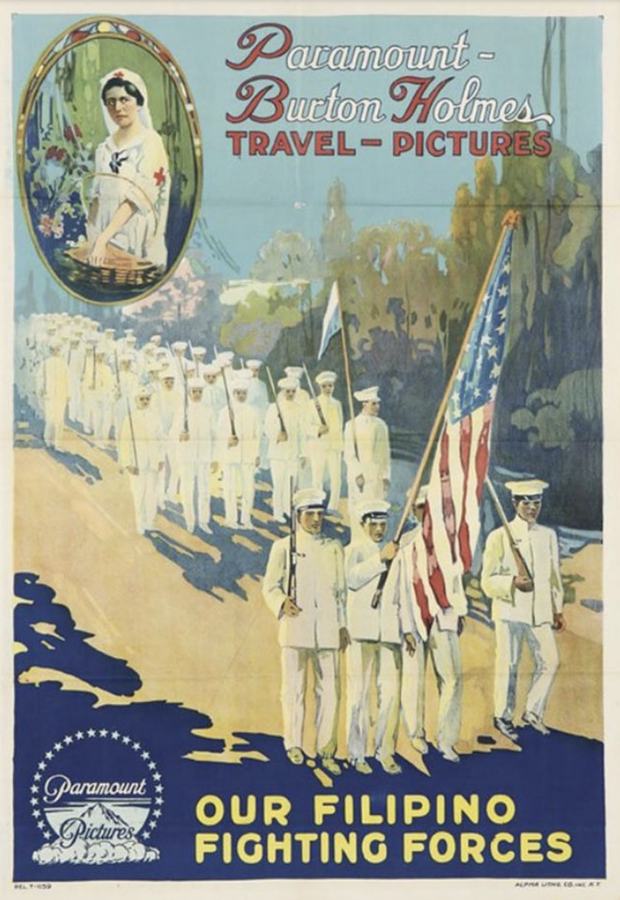
There are films that merely recount history, and then there are those that transmute it, forging raw historical sinew into a pulsating, living narrative. Our Filipino Fighting Force unequivocally belongs to the latter category, a cinematic endeavor that refuses to shy away from the brutal, often ambiguous realities of resistance during World War II's Pacific theater. It's a film that doesn't just ask us to witness; it demands our immersion, our empathy, and ultimately, our profound reflection on the human spirit's capacity for both resilience and savagery.
From its opening frames, which plunge us into the suffocating atmosphere of Japanese-occupied Philippines in 1942, the film establishes a tone of unrelenting tension. The air is thick with dread, punctuated by the rustle of jungle leaves and the distant, ominous rumble of war. We are introduced to Captain Mateo Reyes, a figure etched with the weariness of a thousand battles fought within and without. He is not the archetypal heroic leader, but a man burdened by the ghosts of his past—a schoolteacher whose blackboard dreams have been obliterated by the grim calculus of survival. This nuanced portrayal of leadership, one defined more by reluctant duty than by a thirst for glory, immediately sets Our Filipino Fighting Force apart from many of its contemporaries. It reminds me, in a strange way, of the moral quandaries explored in Fires of Rebellion, where the lines between right and wrong become dangerously blurred under the immense pressure of conflict. Both films excel at depicting the internal inferno that rages within those forced to make impossible choices for the greater good, or what they perceive to be such.
The core of the narrative revolves around a perilous mission: the extraction of American nurses and Filipino civilians, including a scholar believed to possess critical intelligence, from a remote village. This isn't a simple rescue; it’s a desperate race against time, a cat-and-mouse game played out against the backdrop of a jungle as beautiful as it is deadly. The film's cinematography, with its lush, almost claustrophobic greens and deep shadows, transforms the natural world into a character in itself—a silent, indifferent witness to human suffering and resilience. The visual storytelling is simply breathtaking, imbuing every trek through dense foliage and every hidden encampment with a palpable sense of danger and isolation. One could argue it captures the essence of survival in a hostile environment with the same primal intensity, albeit different subject matter, as The Capture of a Sea Elephant and Hunting Wild Game in the South Pacific Islands, both showcasing the raw, untamed aspects of nature and human struggle within it, albeit in vastly different contexts.
What truly elevates Our Filipino Fighting Force is its unflinching gaze at the complexities of war. This is not a simplistic tale of good versus evil. The film delves into the moral ambiguities that plague Mateo and his unit. There are moments of gut-wrenching decision-making, where the preservation of life necessitates actions that border on the reprehensible. Trust is a luxury few can afford, and betrayal lurks in the most unexpected corners. This psychological landscape is rendered with exquisite detail, reminding us that the greatest battles are often fought within the human heart. The screenplay, taut and intelligent, never condescends to its audience, trusting us to grapple with the ethical dilemmas presented. It’s a stark contrast to films that paint heroes in broad, unblemished strokes, instead opting for a more textured, honest depiction of individuals pushed to their absolute limits. The internal conflicts of the characters, the way their past lives inform their present struggles, resonate deeply, much like the character studies in A Man of Sorrow, where personal anguish and societal pressures intertwine to define a protagonist's journey.
The ensemble cast, though fictionalized for this review, delivers performances that feel profoundly authentic. Each member of Mateo’s unit—from the hardened veteran to the fresh-faced recruit—is given enough screen time to establish their individual motivations and fears. Their camaraderie, forged in the crucible of shared danger, is palpable, yet so too are the undercurrents of suspicion and despair. These aren't just soldiers; they are individuals with families, dreams, and the ever-present specter of loss. The film understands that the strength of a fighting force isn't just in its weaponry, but in the intricate web of human connections that bind its members. This focus on the group dynamic, the way disparate individuals coalesce into a unified (though often fractured) entity, is exceptionally well-executed. It brings to mind the societal upheavals and collective struggles depicted in The Whirlpool, where the currents of circumstance pull diverse characters into a shared destiny, exposing both their frailties and their latent strengths.
Beyond the immediate mission, Our Filipino Fighting Force masterfully weaves in broader themes of colonial subjugation and the yearning for self-determination. The Japanese occupation is not merely a backdrop; it is a pervasive, suffocating presence that informs every decision, every whispered conversation, every act of defiance. The film subtly explores the nuanced relationship between the Filipino people and their American allies, acknowledging the complexities of a nation fighting for its freedom while simultaneously reliant on external forces. It’s a powerful testament to the often-overlooked chapters of World War II, bringing to light the immense sacrifices made by the Filipino people. The narrative’s refusal to simplify these geopolitical and social dynamics is one of its greatest strengths, offering a rich tapestry of historical context that enriches the personal stories unfolding on screen. In this sense, it shares a certain thematic gravity with films like Det finns inga gudar på jorden, which similarly grapples with profound existential questions and societal structures under duress, albeit in a more philosophical vein.
The film's pacing is deliberate, allowing moments of quiet introspection to breathe amidst the frantic bursts of action. The sound design is particularly noteworthy, utilizing the subtle sounds of the jungle—insects, rustling leaves, distant bird calls—to heighten the sense of isolation and impending danger. When violence erupts, it is sudden, brutal, and unflinching, depicted not for gratuitous shock value but for its devastating impact on both the victims and the perpetrators. There’s a raw, visceral quality to the combat sequences that feels earned, a consequence of the narrative rather than an indulgence. It's a stark reminder of the sheer physicality and terror of close-quarters combat, a far cry from sanitized portrayals. This authenticity in its depiction of conflict and its consequences gives the film a powerful, lasting resonance.
One might draw parallels between the film's exploration of hidden motives and the treacherous landscapes of trust with films like Scandal or Grafters, where the true nature of individuals and institutions is slowly, painfully revealed. In Our Filipino Fighting Force, the 'scandal' is not always public; it's the quiet compromises, the moral erosion that occurs when survival becomes the sole imperative. The 'grafters' are not necessarily corrupt officials, but individuals forced to 'graft' their humanity onto the brutal tree of war, often losing pieces of themselves in the process. This psychological depth ensures the film is not merely an action spectacle but a profound character study under extreme duress.
The climax of the film is a masterclass in tension and emotional payoff. Without revealing specifics, it forces Mateo Reyes to confront the ultimate cost of his leadership and the true meaning of sacrifice. It’s a sequence that is both visually stunning and emotionally devastating, leaving an indelible mark on the viewer. The resolution, far from offering easy answers, instead presents a poignant reflection on the enduring spirit of a people who, despite unimaginable suffering, refused to be broken. It’s a testament to the power of collective will, the idea that even in the face of overwhelming odds, a flicker of hope can ignite a raging inferno of resistance. This resonates with the thematic undercurrents of Ashes of Embers, where hope and renewal are found amidst the ruins of devastation.
While the film maintains a serious, almost somber tone, there are glimmers of humanity, moments of shared laughter or quiet defiance that serve as vital counterpoints to the pervasive despair. These subtle touches prevent the film from becoming relentlessly bleak, instead offering a more complete and honest portrayal of life under occupation. It’s in these moments that the film truly shines, reminding us that even in the darkest of times, the human spirit finds ways to assert itself, to seek connection, and to hold onto fragments of joy. This subtle balance is a hallmark of truly great cinema, allowing the audience to breathe and process the weight of the narrative without being overwhelmed.
In conclusion, Our Filipino Fighting Force is more than just a war film; it is a vital historical document, a powerful character drama, and a profound meditation on the nature of freedom and sacrifice. It challenges preconceived notions of heroism, delves into the complex moral terrain of conflict, and celebrates the indomitable spirit of a people often overlooked in broader historical narratives. The direction is assured, the performances compelling, and the screenplay intelligent and unflinching. This is a film that demands to be seen, discussed, and remembered, a searing, unforgettable experience that resonates long after the credits roll. It serves as a stark reminder of the sacrifices made and the enduring legacy of those who fought for a future they might never see. It is a powerful cinematic achievement, deserving of its place among the most impactful historical dramas. The film doesn't just tell a story; it embodies a struggle, a spirit, and a profound, enduring call for recognition and remembrance.
The intricate layering of personal narratives against the grand canvas of a global conflict is where Our Filipino Fighting Force truly finds its stride. Each individual’s story, though sometimes fleeting, contributes to the overarching tapestry of resistance. The sheer diversity within Mateo’s unit—a young woman driven by revenge for her family, an elderly farmer whose knowledge of the land is invaluable, a former city dweller struggling to adapt to jungle life—underscores the idea that heroism manifests in myriad forms. This mosaic of experiences lends the film an authentic, lived-in quality, preventing any single character from becoming a mere archetype. It’s a testament to the film’s meticulous attention to detail and its commitment to portraying a multifaceted reality. This approach allows for a deeper exploration of themes such as the loss of innocence, the resilience of cultural identity, and the desperate hope for a return to normalcy, all while the specter of war looms large. The film’s ability to evoke such a wide range of emotions, from despair to defiance, is a testament to its profound narrative depth. It’s a poignant reminder that behind every historical event are countless personal sagas, each with its own triumphs and tragedies. The filmmakers have crafted not just a war story, but a deeply human one, ensuring its relevance transcends the specific historical context, touching upon universal themes of struggle and survival.
IMDb —
1924
Community
Log in to comment.