DbcultAccessing Vault...
5.6/10
Senior Film Conservator
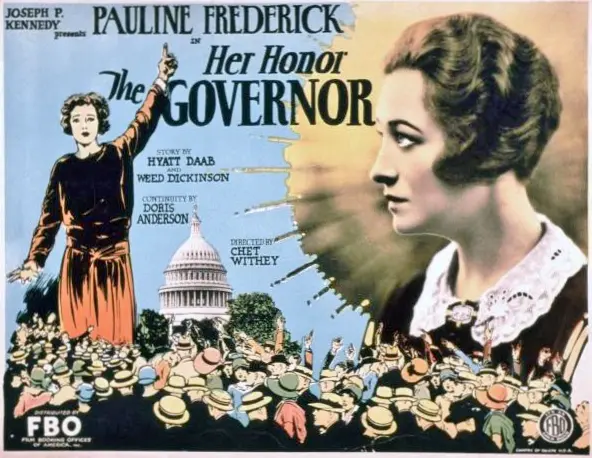
A definitive 5.6/10 rating for a film that redefined the boundaries of cult cinema. Her Honor, the Governor remains a cornerstone of transgressive art.
Should you invest nearly an hour and a half into a silent political melodrama from 1926? Short answer: yes, but only if you have an appetite for the grand theatricality of the era and an interest in early cinematic portrayals of women in power. This film is for those who enjoy character-driven legal dramas and silent film enthusiasts looking for a powerhouse performance; it is not for viewers who require the fast-paced, high-octane editing of modern political thrillers.
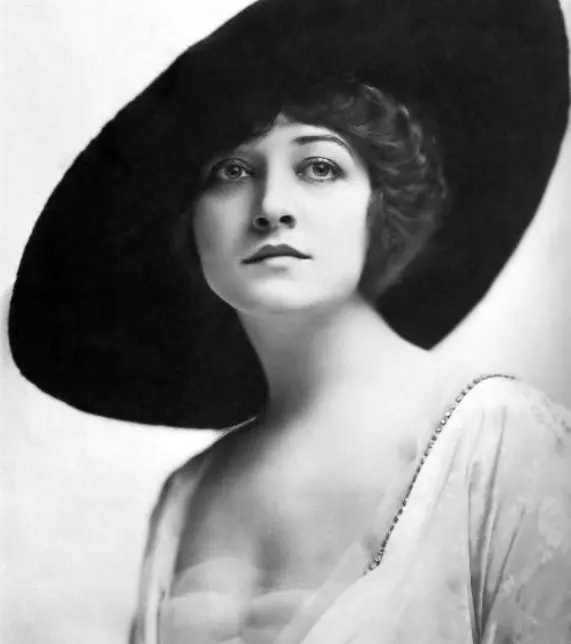
This film works because Pauline Frederick delivers a masterclass in controlled emotion, making a potentially campy role feel grounded and genuinely heroic.
This film fails because the secondary plot involving the 'secret first wife' is a tired trope that feels more like a convenient plot device than a nuanced scandal.
You should watch it if you want to see one of the earliest and most respectful treatments of a female executive in American cinema, bolstered by a surprisingly dark turn from the supporting cast.
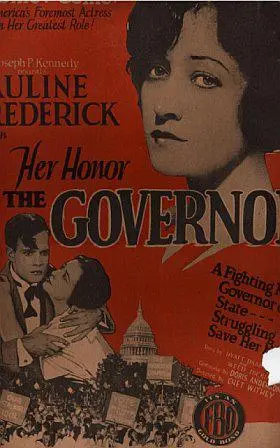
Yes, Her Honor, the Governor remains a fascinating artifact of its time. While many films from the mid-1920s have faded into obscurity, this one stands out for its progressive take on gender and authority. It manages to balance the domestic duties of a mother with the heavy burdens of a governor without making her seem incapable of either. It’s a relic. But it’s a sharp one.
Pauline Frederick was known for her 'woman of the world' roles, and here she brings a gravitas that is almost Shakespearean. In the opening scenes, where she announces a wedding gift for her son, her face radiates a warmth that feels authentic. However, the moment Jim Dornton enters the frame with his corrupt water power bill, her features harden into a mask of executive steel. It is a transition that many modern actors struggle to convey without dialogue, yet Frederick does it with a simple shift in posture and a narrowing of the eyes.
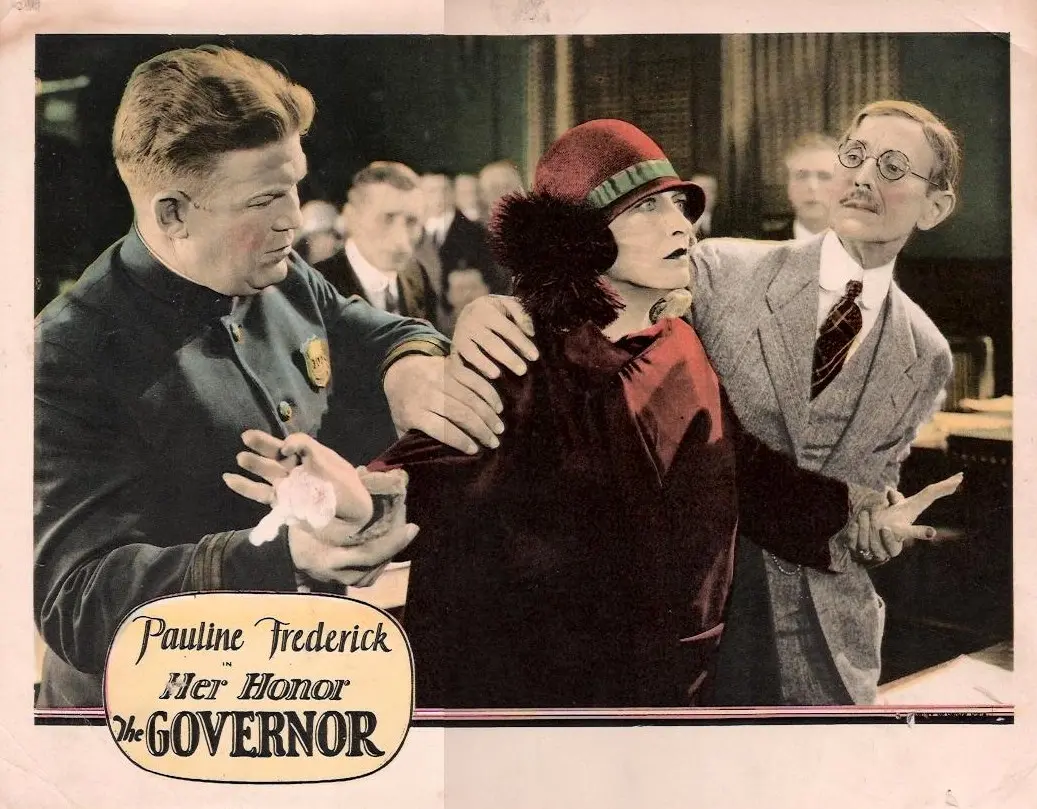
Compare her performance here to her work in Borrowed Clothes. While that film dealt with social facades, Her Honor, the Governor asks her to play a woman who has already stripped away the facade to reveal the leader underneath. She doesn't play Adele Fenway as a victim of the political machine; she plays her as its formidable opponent. This is a refreshing departure from the 'damsel in distress' archetypes that populated so much of the 1920s cinematic landscape.
Tom Santschi as Jim Dornton is the quintessential political boss. He doesn't twirl a mustache; he simply occupies space with a predatory confidence. The scene where he confronts Adele with the supposed illegality of her husband's divorce is a highlight of silent era tension. The way the shadows fall across his face as he delivers the ultimatum creates a noir-like atmosphere years before the genre was officially recognized. This isn't just about a bill; it's about the male establishment's attempt to reclaim a seat of power they feel belongs to them by right.
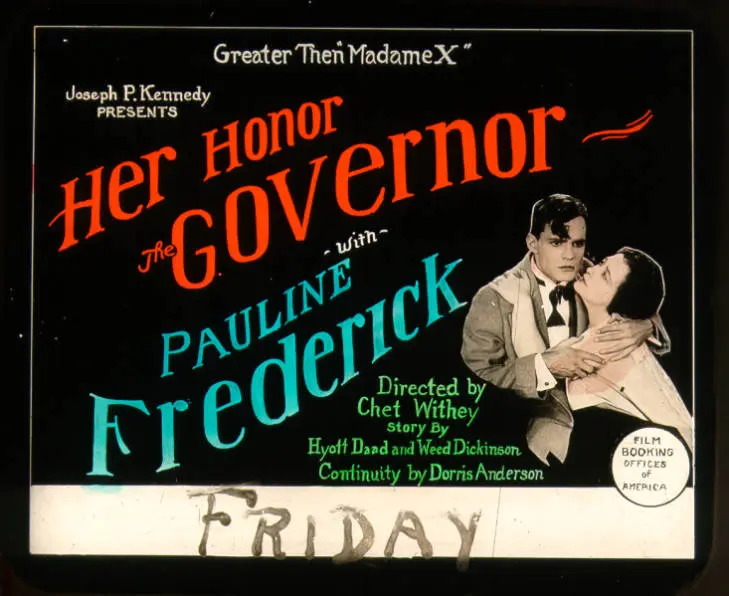
The inclusion of Stanton Heck as Snipe Collins adds a layer of physical threat that balances Dornton's psychological warfare. The fight at the Athletic Club is surprisingly brutal for 1926. The choreography is messy and desperate, reflecting the high stakes of the situation. It lacks the polish of modern stunt work, but that raw quality makes the accidental murder feel far more shocking. It is a pivotal moment that shifts the film from a political drama into a high-stakes murder mystery, much like the tonal shifts seen in Politics.
For many modern viewers, the draw here will be seeing a young Boris Karloff in a supporting role. While he isn't the star, his presence is unmistakable. Even in this early stage of his career, Karloff possessed a screen magnetism that drew the eye. He plays Snead with a quiet intensity that hints at the legendary career to come. It’s a far cry from the monsters he would later play, but the DNA of his future greatness is visible in his precise movements and expressive face. It serves as a great companion piece to his work in other early dramas like The Virgin Queen.
Director Chet Withey shows a keen understanding of space and pacing. The trial sequence is particularly well-constructed. He uses close-ups of the jury and the spectators to create a sense of claustrophobia, making the audience feel the weight of the impeachment proceedings. The pacing rarely sags, which is a common pitfall for silent features of this length. Each scene serves a purpose, moving the chess pieces toward the final confrontation between Adele and the machine.
The cinematography, while standard for the mid-20s, has moments of brilliance. The use of natural light in the outdoor scenes provides a nice contrast to the dark, smoke-filled rooms of the political clubs. This visual storytelling reinforces the theme of transparency versus corruption. If you look at the framing in The Home Stretch, you can see a similar attention to environmental storytelling, but Withey applies it here to the urban jungle of state politics.
Cons:
Her Honor, the Governor is more than just a historical curiosity. It is a well-crafted thriller that tackles themes of integrity, sacrifice, and the corruptive nature of power. While the resolution is a bit too tidy, the journey there is filled with genuine tension and excellent performances. It stands tall alongside other regional dramas like A Cumberland Romance, proving that the silent era had a lot more to say about the world than we often give it credit for. It is a solid, engaging piece of cinema that deserves a spot in any serious film buff's rotation.
IMDb 6
1916
Community
Log in to comment.