DbcultAccessing Vault...
6.5/10
Senior Film Conservator
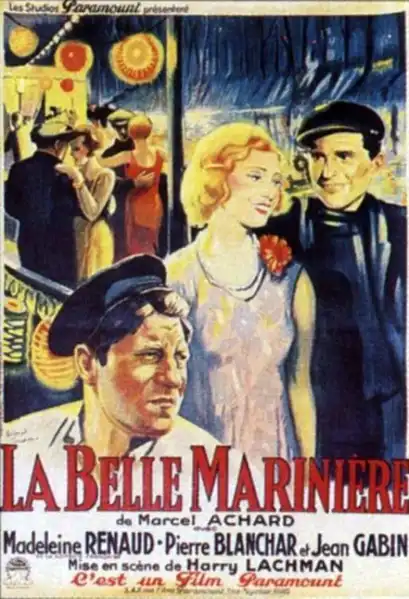
A definitive 6.5/10 rating for a film that redefined the boundaries of cult cinema. La belle marinière remains a cornerstone of transgressive art.
Alright, so, if you're into old French films, like, *really* old ones, "La belle marinière" from the early 30s is kinda worth a peek. It's a slow burn, definitely, a quiet sort of drama about a new bride on a barge, and it'll probably bore anyone looking for explosions or fast-paced dialogue. But for those who appreciate the subtle glances and simmering tension of early cinema, it offers something quite rich.
This film, right from the start, sets a mood. You've got the captain, older, a bit gruff but clearly smitten with his young wife, Mariette. Then there's the river, the endless calm of the canals. It's all very contained, like a little world floating along.
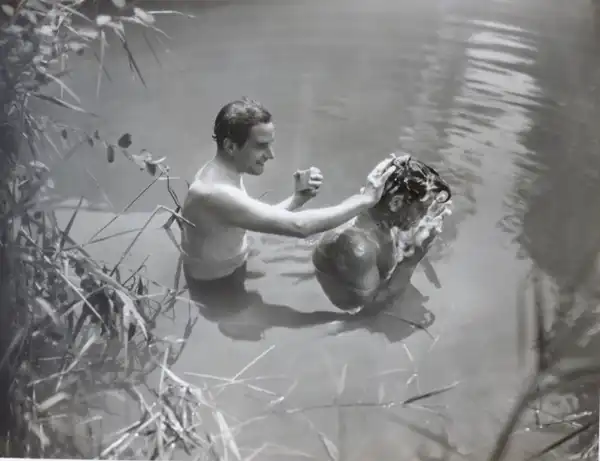
Madeleine Renaud plays Mariette, and she's just captivating. Her eyes, especially, do a lot of the talking. You can see her trying to be a good wife, but there's this restlessness, a quiet desperation building up inside her as they move through the countryside.
Then enters the young crewman, Sylvestre. He's played by Jean Gabin, though he's not quite the 'Jean Gabin' we'd come to know later. Here, he's softer, almost boyish. His presence immediately shifts the air on the barge, making everything feel a bit tighter.
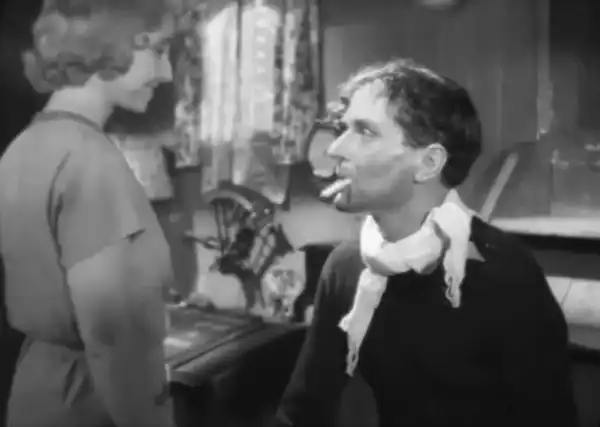
The whole thing hinges on these unspoken feelings. The captain loves his wife, she feels... trapped? Indifferent? It's never spelled out loud, which is actually one of its strengths. You watch her watching Sylvestre, a subtle shift in her posture, a glance that lasts just a hair too long. It’s all so *small* but so impactful.
There's this one scene where Mariette is just sitting by the water, fiddling with something. The camera stays on her for a beat longer than you'd expect. You can almost feel the air getting heavier around her. She's supposed to be happy, a new bride, but you just know she's not.

The barge itself becomes a character. It's their home, yes, but also a prison. There’s no escaping the captain, or the young man, or her own feelings, while they're stuck on that narrow boat. The sound of the water lapping against the hull, constant, almost a heartbeat.
The film is really good at showing rather than telling. A simple hand gesture, a way someone holds their cup. It's all there, if you're looking. The silence sometimes stretches, becoming almost painful, which I thought was a strong choice. *Very* effective.
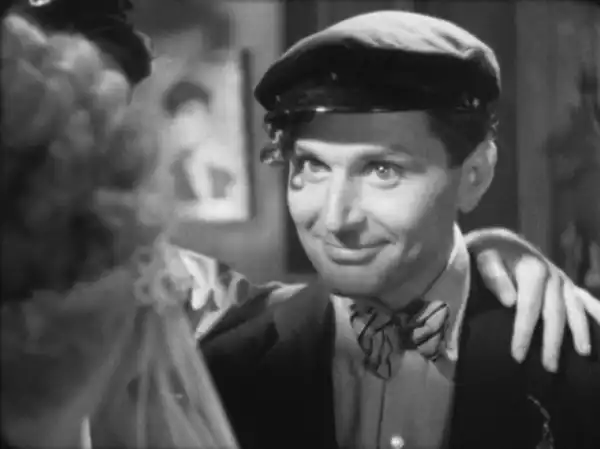
When Mariette finally tries to make her move, it's not some big dramatic scene. It's clumsy, a bit desperate. She's not a femme fatale; she's just a woman who's run out of options, or so it feels. Her escape attempt, while perhaps not entirely thought out, feels earned from all that quiet build-up.
The pacing might test some people's patience. It's slow, yes, but it builds this incredible tension. You're just waiting for something to crack, for one of these characters to finally say what they're thinking. And sometimes, they don't, which is even more frustrating and real.

Charles Lorrain as the captain, too, is interesting. He's not a villain. He just... doesn't see it, or perhaps doesn't *want* to see it. His oblivious happiness early on makes Mariette's plight feel even heavier. Later, his hurt, it's just as quiet as her longing.
It’s a story about human desires clashing with duty in a very confined space. No grand speeches, no big Hollywood moments. Just people trying to figure things out, poorly sometimes.
IMDb —
1920
Community
Log in to comment.