DbcultAccessing Vault...
Cult Review
Senior Film Conservator
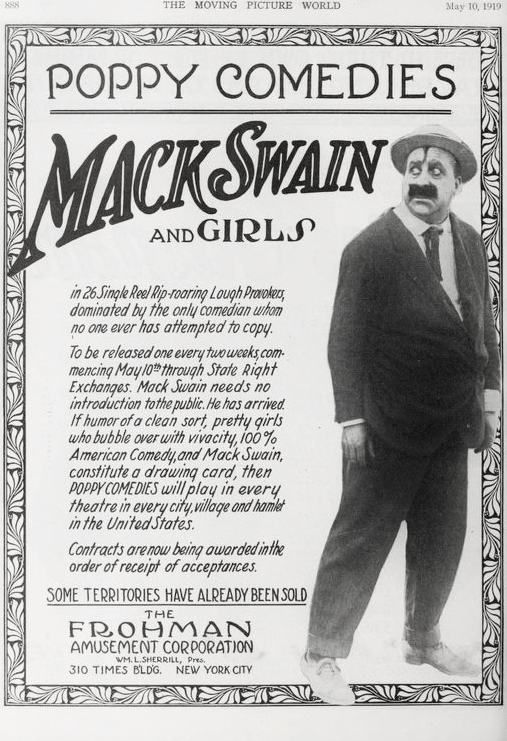
The flickering magic of early cinema often found its most potent expression in the universal language of physical comedy, a realm where emotions were writ large and misunderstandings blossomed into spectacular chaos. Among the pantheon of silent film comedians, Mack Swain, with his imposing stature and perpetually beleaguered demeanor, carved out a unique and memorable niche. His turn as Ambrose in 'Ambrose's Matrimonial Mixup' is a prime example of this comedic genius, a whirlwind of farcical misadventure that remains remarkably engaging even a century later. This film, a vibrant testament to the era's storytelling prowess, invites us into a world where the simplest intentions can cascade into the most elaborate of predicaments.
At its heart, 'Ambrose's Matrimonial Mixup' is a masterclass in the comedic mechanics of mistaken identity, a trope that, while ancient, found renewed vigor in the hands of silent film pioneers. Our protagonist, Ambrose, a man seemingly designed by fate to attract calamity, is on the precipice of marital bliss with Miss Priscilla Primrose. The setting is a bustling hotel, a veritable beehive of human activity, which, as any connoisseur of classic comedy knows, is the perfect incubator for unforeseen complications. The narrative hinges on a seemingly innocuous switch of telegrams: one, vital for Ambrose's inheritance, is swapped with another intended for Captain Dashing, a man whose name alone conjures images of derring-do and romantic entanglement, and who, coincidentally, is also slated for nuptials within the very same establishment. This initial spark ignites a veritable inferno of comedic errors, pulling Ambrose into a vortex of confusion that threatens to derail his wedding, his inheritance, and indeed, his very sanity.
Mack Swain's portrayal of Ambrose is nothing short of iconic. His physical presence, a formidable bulk often clad in a suit that seems barely capable of containing his expansive frame, becomes an instrument of exquisite comedic timing. He doesn't merely react to the chaos; he embodies it, his every lumbering step, every wide-eyed glance of panic, contributing to the escalating absurdity. Swain's genius lay in his ability to convey a profound sense of bewilderment and distress, making Ambrose a sympathetic figure despite the ludicrous situations he finds himself in. When he is inadvertently ushered towards Captain Dashing's ceremony, or when the fiery Spanish dancer, mistaking him for her own fiancé, launches into a passionate pursuit, Swain's expressions are a symphony of terror and confusion. This isn't just slapstick; it's a study in the human capacity for utter, unadulterated bewilderment.
The film's pacing is relentless, a hallmark of the era's best comedies. From the initial mix-up to the climactic chase, there's rarely a moment for the audience, or Ambrose, to catch their breath. The chaos builds incrementally, each new misunderstanding layering onto the last, creating a comedic edifice that is both intricate and hilariously unstable. The use of intertitles, while sparse, is effective, providing just enough narrative exposition to propel the plot forward without bogging down the visual humor. This reliance on visual storytelling is a testament to the universal appeal of silent cinema, transcending language barriers through exaggerated gestures, expressive faces, and meticulously choreographed physical gags.
One cannot discuss 'Ambrose's Matrimonial Mixup' without acknowledging its shrewd commentary, however lighthearted, on the societal pressures surrounding marriage in the early 20th century. The urgency of Ambrose's inheritance, tied directly to his marital status, reflects a time when unions were often as much about economic security and social standing as they were about romance. The frantic scramble to ensure the wedding proceeds, despite all evidence of catastrophic error, speaks to the rigid social conventions that dictated such events. In this regard, the film, while comedic, offers a fascinating glimpse into the cultural anxieties of its period. It subtly critiques the absurdity of these expectations by pushing them to their most ludicrous extremes, transforming a solemn ceremony into a riotous free-for-all.
The film's climactic chase sequence is a marvel of early cinematic staging. Ambrose, pursued by a veritable mob of confused and enraged individuals—including the Spanish dancer, her actual fiancé, and his own bewildered fiancée, Priscilla—weaves through the hotel's opulent interiors. This sequence is reminiscent of other great silent era chases, where the geography of the set becomes as much a character as the actors themselves. We see him navigating kitchens, scattering chefs and their culinary creations, bursting into ballrooms, disrupting polite society, and ultimately, crashing headlong into the very altar where his destiny, or another's, awaits. The sheer kinetic energy of these scenes is infectious, a testament to the raw, unbridled creativity of early filmmakers who understood that motion itself could be a source of profound amusement.
Comparing 'Ambrose's Matrimonial Mixup' to its contemporaries reveals its place within the broader tapestry of silent comedy. While perhaps not possessing the philosophical depth of a Chaplin or the daredevil stunts of a Keaton, Swain's Ambrose embodies a more grounded, relatable brand of humor – the humor of the everyman overwhelmed by forces beyond his control. One might draw parallels to the chaotic domesticity found in many early short comedies, where homes and public spaces become arenas for escalating domestic disputes and public embarrassments. The frantic energy and physical gags share a lineage with films like His Briny Romance, where romantic entanglements often lead to aquatic or otherwise messy conclusions. The sheer scale of the mix-up and its public unfolding also brings to mind the grand, often absurd spectacles seen in early travelogues or behind-the-scenes glimpses like All for the Movies: Universal City, California, the Wonder City of the World, which, while not a comedy, showcases the expansive sets and logistical challenges that film productions of the era mastered.
The film's narrative simplicity is its strength. There are no complex subplots or convoluted character arcs; instead, it focuses on a single, escalating premise and wrings every ounce of comedic potential from it. This directness is a hallmark of many silent comedies, which often had limited runtimes and relied on immediate, visual gratification. The humor is broad, accessible, and timeless, rooted in the universal experience of misunderstanding and the human tendency to make things worse before they get better. It’s a reminder that sometimes, the most profound laughter comes from watching someone else's utter discomfiture.
The role of the 'other' films in the silent era provides a fascinating contrast. While 'Ambrose' revels in lighthearted chaos, other productions explored the darker undercurrents of human experience. For instance, a film like The Unpardonable Sin, likely a drama, would delve into moral complexities and societal transgressions, a stark departure from Ambrose's relatively innocent blunders. Even in comedies, there were variations; the more character-driven humor of a Chaplin short, or the intricate stunt work of a Keaton, offered different flavors of laughter. 'Ambrose's Matrimonial Mixup' stands as a testament to the sheer variety and inventiveness present in the early film industry.
The societal implications of marriage, a constant theme in cinema, are explored here through the lens of pure absurdity. Unlike the serious moral quandaries presented in a film like The Price Woman Pays or the dramatic conflicts of Pride and the Devil, 'Ambrose' treats the institution with a playful irreverence. It suggests that even the most sacred of ceremonies can be undone by a simple mix-up and a series of unfortunate coincidences. The film doesn't preach; it simply observes the hilarious fallout when human plans collide with the unpredictable nature of fate, or rather, the unpredictable nature of a poorly organized hotel wedding.
The contribution of Mack Swain to the comedic landscape of the 1910s and 1920s cannot be overstated. He was a foundational figure, often playing the 'heavy' or the bumbling foil, but always with a distinctive charm. His Ambrose character, with its blend of pompousness and vulnerability, became a recognizable archetype. His ability to elicit both laughter and a degree of empathy for his character's plight made him a beloved figure. Without the nuanced physical performance of someone like Swain, the intricate dance of mistaken identities would simply fall flat. He provided the emotional anchor, however comedic, to the swirling vortex of events, grounding the fantastical premise in a relatable human experience of embarrassment and frustration.
The film's enduring appeal lies in its simplicity and its masterful execution of a classic comedic premise. It doesn't rely on elaborate special effects or complex dialogue, but rather on the timeless power of human folly and the brilliant performance of its star. It’s a reminder of a bygone era of filmmaking, an era of raw invention and boundless creativity, where every flicker of light on the screen was a new discovery. Watching 'Ambrose's Matrimonial Mixup' today is not just an exercise in cinematic archaeology; it's a genuine pleasure, a hearty laugh at the expense of a character who, despite his woes, always manages to pick himself up, dust himself off, and inadvertently stumble into the next hilarious predicament.
Considering other films of the silent era, the contrast between pure comedy and more dramatic fare is striking. While 'Ambrose' offers a lighthearted escape, films like Die toten Augen (The Dead Eyes) or Mürebbiye (The Governess) would have explored much darker, more serious themes, often with a psychological or melodramatic bent. Even a film like The Next in Command, likely a drama or adventure film, would have relied on suspense and narrative tension rather than the rapid-fire gags of a slapstick comedy. This highlights the diverse offerings of early cinema, catering to a wide spectrum of tastes and emotions, from the profound to the purely farcical.
The film's visual style, typical of the era, prioritizes clarity and action. The camera is largely static, allowing the actors and their movements to dictate the comedic rhythm. This approach, while seemingly unsophisticated by modern standards, was incredibly effective for conveying the intricate dance of a chase scene or the subtle nuances of a bewildered expression. The sets, while functional, serve their purpose in creating the bustling, slightly claustrophobic environment of a grand hotel, perfect for facilitating the numerous collisions and near-misses that drive the plot. The visual storytelling is paramount, and every frame is utilized to advance the comedic narrative, ensuring that even without spoken dialogue, the audience remains fully immersed in Ambrose's unfolding disaster.
The resolution of the 'Matrimonial Mixup' is, predictably, a return to order, but not without a final flourish of comedic disarray. Ambrose, having endured the gauntlet of mistaken identity, passionate pursuits, and public humiliation, finally reunites with his bewildered but ultimately forgiving Priscilla. The inheritance is secured, the wrong couples are disentangled, and a semblance of normalcy returns, albeit with the lingering scent of chaos. This return to equilibrium, a common trope in comedy, offers a satisfying conclusion, assuring the audience that despite the wild ride, justice, or at least marital bliss, will prevail. It underscores the idea that even in the most absurd situations, love (and money) finds a way, often through the most convoluted and hilarious paths imaginable.
In conclusion, 'Ambrose's Matrimonial Mixup' stands as a vibrant, essential piece of silent film history. It's a testament to the comedic prowess of Mack Swain and the inventive spirit of early filmmakers who, with limited technology, managed to craft narratives of enduring humor and charm. Its exploration of universal themes—love, money, social expectations, and the sheer absurdity of life—through the lens of slapstick comedy ensures its continued relevance. It’s a film that reminds us of the power of a good laugh and the timeless appeal of watching a perfectly orchestrated disaster unfold. For anyone seeking a glimpse into the foundational elements of cinematic comedy, or simply a hearty chuckle, Ambrose's chaotic journey through his wedding day is an absolute delight, a vibrant splash of dark orange, yellow, and sea blue in the monochromatic world of silent film, painting a vivid picture of a truly unforgettable mix-up.
IMDb 6.3
1936
Community
Log in to comment.