DbcultAccessing Vault...
Cult Review
Senior Film Conservator
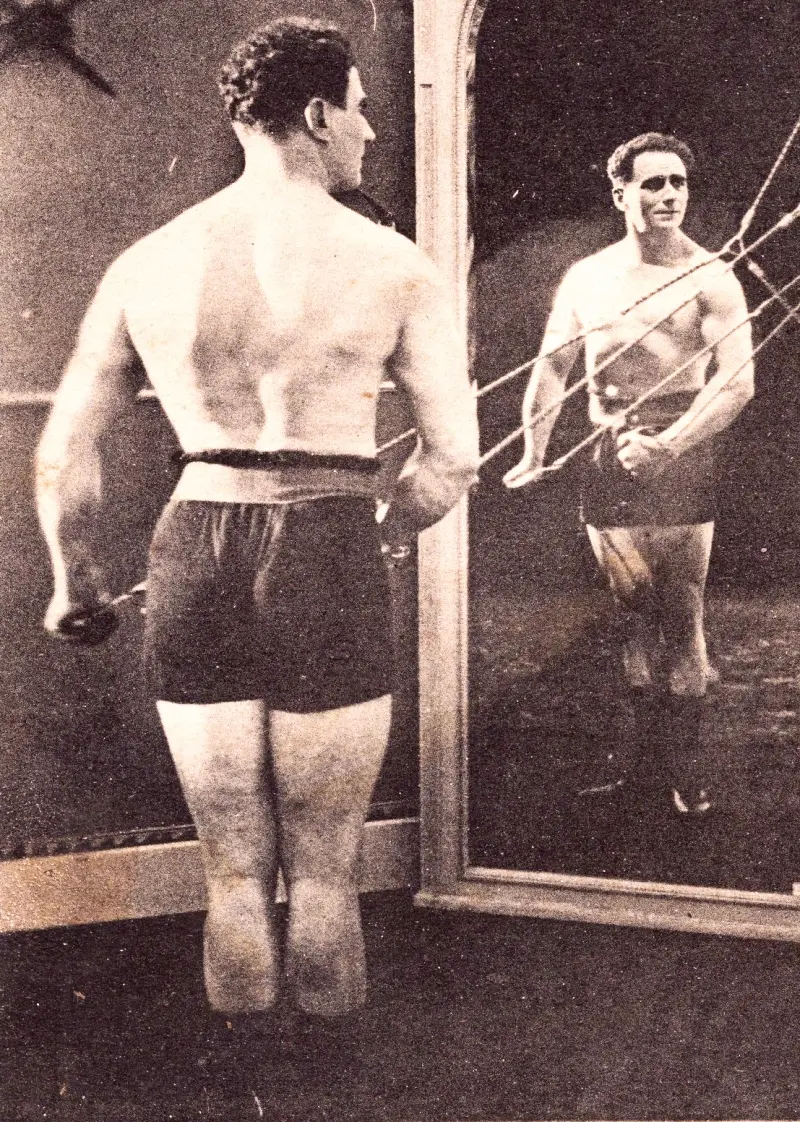
In the heart of 1930s Paris, La course à l'amour unfolds as a mesmerizing narrative that intertwines the personal and the political. The film opens with a palpable sense of foreboding, as Jeanne Rollette, a passionate and independent woman, begins an affair with Auguste Maïcon, a charismatic but manipulative politician. Their romance is depicted with a rich palette of emotions, from fervent love to bitter disillusionment, set against the stark realities of a city grappling with social and political upheaval.
The cinematography of La course à l'amour is nothing short of spectacular. The use of shadow and light creates a dramatic contrast, emphasizing the dual nature of the characters and their environment. The city itself becomes a character, with its narrow streets and grand squares serving as backdrops for pivotal scenes. The period detail is impeccable, from the vintage fashion to the bustling cafes and the ornate architecture, all contributing to the film's immersive atmosphere.
At the center of the narrative is the complex relationship between Jeanne and Auguste. Jeanne, played by Gina Relly, embodies the spirit of Parisian women who were breaking free from traditional roles. Her character is multifaceted, transitioning from a fiery lover to a disillusioned outsider. Auguste Maïcon, portrayed by Auguste Maïcon, is a more enigmatic figure. His charm and ambition are evident, but so is his vulnerability. The dynamic between them is filled with tension and raw emotion, making every interaction a cinematic event.
The supporting cast, including Édouard Mathé, Mario Guaita-Ausonia, and Marguerite Seymon, adds depth to the story. Each character is well-developed, contributing to the overall tapestry of the film. Their interactions with Jeanne and Auguste provide additional layers of complexity, highlighting the broader social and political landscape of the time. The performances are nuanced, capturing the subtleties of human emotions and the harsh realities of the era.
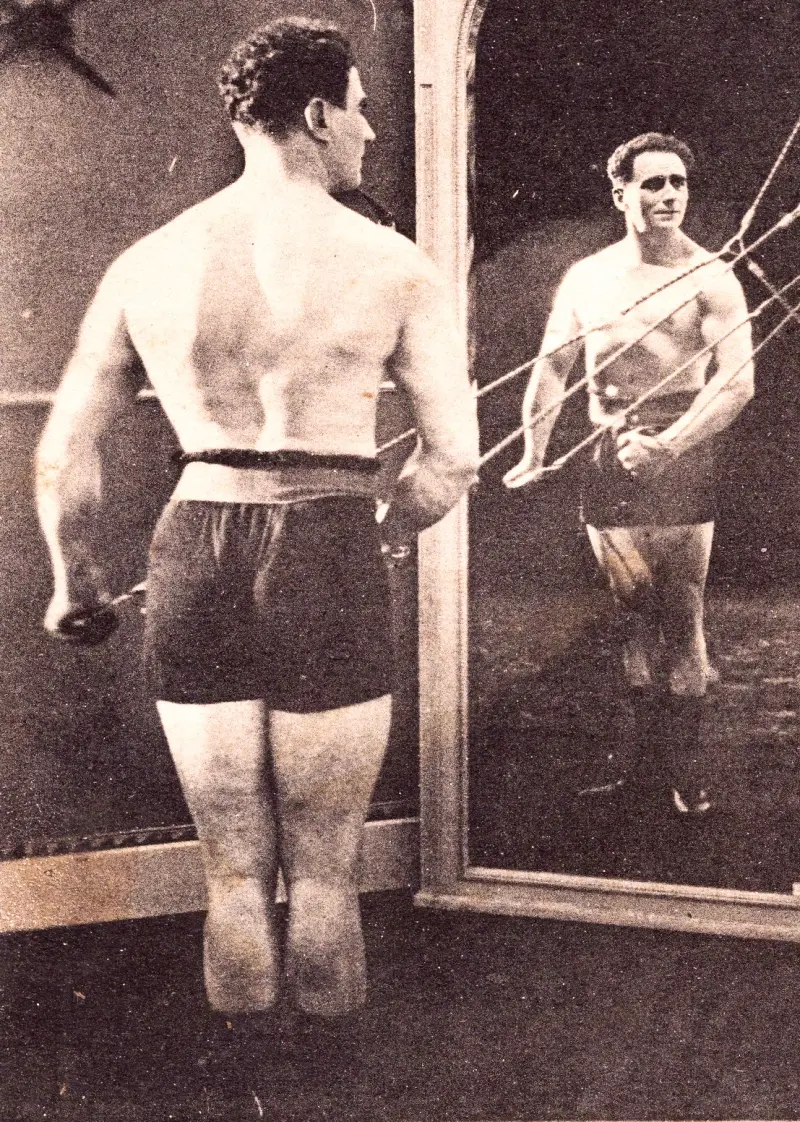
The plot of La course à l'amour is a masterful blend of romance and political intrigue. As the story progresses, it becomes clear that Jeanne and Auguste's relationship is not just personal but also intertwined with the political machinations of their time. The film explores the themes of power, corruption, and the personal price of political ambition. The climax of the film is a tense and emotionally charged moment, where the characters must make choices that have far-reaching consequences.
La course à l'amour stands out not only for its compelling narrative but also for its technical excellence. The editing is seamless, blending scenes with precision and grace. The score, composed by Paul Barlatier, adds an undercurrent of emotion that complements the visual storytelling. The film's pacing is deliberate, allowing each scene to unfold with the necessary tension and drama.
In comparison to other films of the era, La course à l'amour holds its own. It shares similarities with films like Lunatics in Politics, which also delved into the complexities of political life. However, La course à l'amour is unique in its focus on the personal and emotional journey of its protagonists. It is reminiscent of films such as It Pays to Advertise, which also explored the intersection of personal and professional life. The contrast with films like Coeur de grenouille, which took a more fantastical approach, highlights the realistic and grounded nature of La course à l'amour.
Overall, La course à l'amour is a must-watch for anyone interested in cinema that blends romance and politics seamlessly. It is a film that not only entertains but also challenges the viewer to reflect on the nature of power, love, and the choices we make. The film's visual and narrative prowess make it a timeless masterpiece, worthy of admiration and discussion.
IMDb —
1920
Community
Log in to comment.