DbcultAccessing Vault...
6/10
Senior Film Conservator
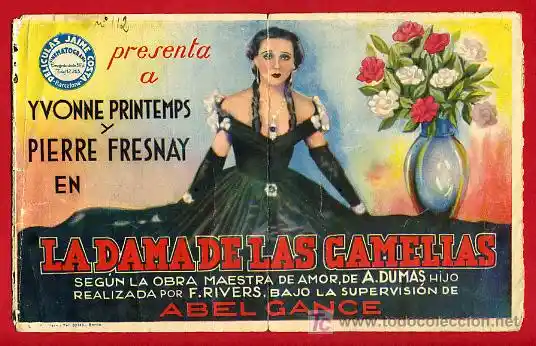
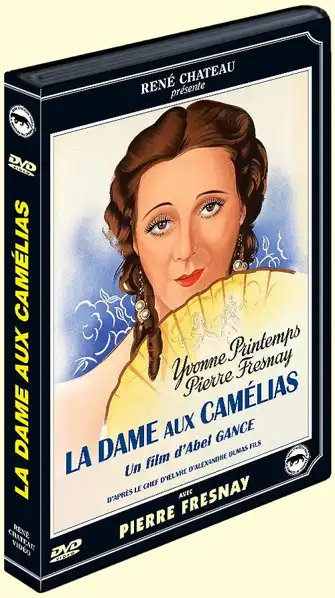
A definitive 6/10 rating for a film that redefined the boundaries of cult cinema. La dame aux camélias remains a cornerstone of transgressive art.
So, is La dame aux camélias worth a watch today? Well, if you have a soft spot for really big, dramatic romances with a capital D, then absolutely. Folks who enjoy classic French cinema or just a good old-fashioned weepie will probably find something to cling to here. But if you’re someone who needs fast pacing or finds old-school melodrama a bit much, you might want to give this one a miss. It’s a slow burn, for sure, and not for everyone.
Yvonne Printemps as Marguerite, wow. Her presence just fills the screen. There's this one scene early on, she's surrounded by admirers, and she carries herself with such a *weary elegance*. You can tell she's playing a part even within the party, if that makes sense. Like, she knows the drill. She's seen it all.
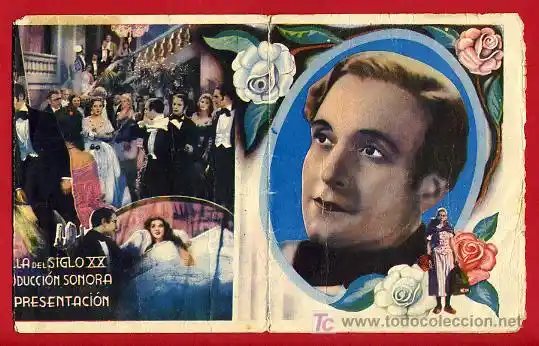
Then there’s Pierre Fresnay as Armand. He’s all wide-eyed passion. Almost too much sometimes. His intensity in the early stages, it borders on *a little much*, but it totally fits the character, a young man blinded by love, you know? It's not subtle, but it's not meant to be.
The moment Armand's father (played by Pierre Morin) visits Marguerite, that's the real gut punch. He doesn't yell or threaten. He just appeals to her *goodness*, really, laying out how she's ruining his son's future. The way Printemps listens, her face just *sinks*. It’s a quiet scene, but the weight of it, man, it's heavy. 😥
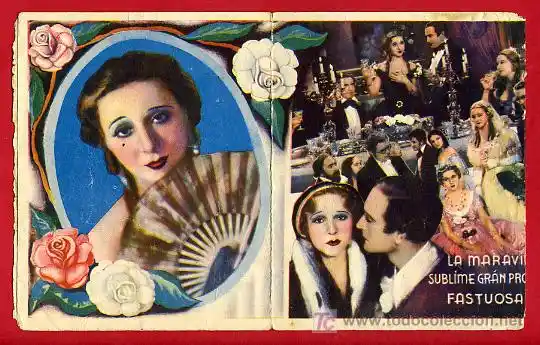
And the way the film deals with her illness. It's not graphic, but you *feel* it. The coughs, the way her energy just drains away. It’s less about showing the disease and more about showing the *toll* it takes. This one shot of her hand, thin and almost translucent, reaching for something, it really stuck with me.
There are parts where the pacing feels very… of its time. Things linger. A reaction shot might hang for what feels like ages. Sometimes it works, lets you soak in the emotion. Other times, you kinda just want them to get on with it, if I'm honest. It's a balance.
Abel Gance, the director, he's known for some wild stuff, but here it feels pretty straightforward. Still, there are these little visual touches. A quick cut to a flickering fireplace, reflecting her internal turmoil. Or the use of light and shadow when she's alone, *so dramatic*.
The story itself, it's a classic for a reason. This idea of sacrifice for love, even if it breaks you. Marguerite's choice, to walk away for Armand's future, even when it kills her inside. It’s heartbreaking. You can almost see the movie *trying* to convince you this choice matters, and it does, mostly because Printemps sells it so well.
And the whole 'letters' thing! When Armand finally reads them, after everything. It's a staple of these old dramas, but it still lands. The reveal, the sudden understanding. You just want to reach through the screen and shake him a little bit. 'Dude, she loved you!' 🤦♀️
This film isn't trying to reinvent the wheel. It's a straight-up, full-throttle melodrama. If you approach it like that, you're in for a treat. It's not subtle, it's not modern, but it has this unshakeable emotional core that still resonates. The ending… it’s a lot. Just a lot.
I did find myself wondering about some of the supporting characters. Like, what was up with Renée Sénac’s character? She just appears, does her thing, then poof. Not much depth there, but I guess she serves her purpose in the story.
One thing, the French from 1934 has a different flow. Some of the dialogue feels *very formal* to a modern ear. But it adds to the period feel, I suppose. Not a complaint, just an observation.
Overall, it’s a piece of history, really. And a pretty powerful one, if you let yourself get swept up in it. A reminder that some stories, like true love and heartbreak, never really go out of style. It makes Vanity Fair look like a walk in the park.
IMDb 6
1936
Community
Log in to comment.