DbcultAccessing Vault...
7.1/10
Senior Film Conservator
A definitive 7.1/10 rating for a film that redefined the boundaries of cult cinema. La Glu remains a cornerstone of transgressive art.
If you have a spare afternoon and want to feel like you’ve been transported to a cold, windy beach in 1920s Brittany, you should give La Glu a look. It is definitely for the people who don’t mind a movie that takes its sweet time to get anywhere. If you can’t stand silent films where actors use their whole bodies to express a single thought, you’ll probably hate it. 🌊
The whole thing is based on a novel by Jean Richepin. I haven't read it, but you can tell the story has those thick, heavy 19th-century bones. It’s about a woman from Paris who everyone calls 'La Glu.' I think it translates to 'The Glue' or something sticky like that. Basically, once she gets a hold of a man, he’s stuck. It’s a bit of a mean nickname, but she doesn’t seem to mind much.
She moves into this tiny fishing port. It’s the kind of place where everyone knows everyone’s business and the fish probably know it too. She sets her sights on Marie-Pierre. He is the only boy out of nine children! Can you imagine the pressure? His poor mother, Marie des Anges, looks like she has carried the weight of the entire Atlantic ocean on her shoulders.

The actress playing the mother has this face that just breaks you. She doesn't have to do much. She just watches her son get lured away and you can feel the defeat. It reminded me a little bit of the family tension in The Orphan, though the setting here is much more damp.
The way La Glu goes about stealing Marie-Pierre is almost funny in how theatrical it is. There are a lot of lingering looks and very specific ways she holds her shawl. She’s so different from the local girls. She has this 'city' air that makes the village look even more grey and rocky than it already is.
Marie-Pierre follows her, of course. He leaves his family and his life behind. You want to shake him! It’s one of those movie moments where you see the train wreck coming from a mile away but you have to just sit there and watch it happen. The movie does a good job of making the obsession feel heavy. Not romantic, just... heavy.
There’s a sequence where they are away from the village and it feels a bit like the social climbing gone wrong in Social Ambition. He's out of his element. He's just a fisherman in a world that doesn't care about fish.
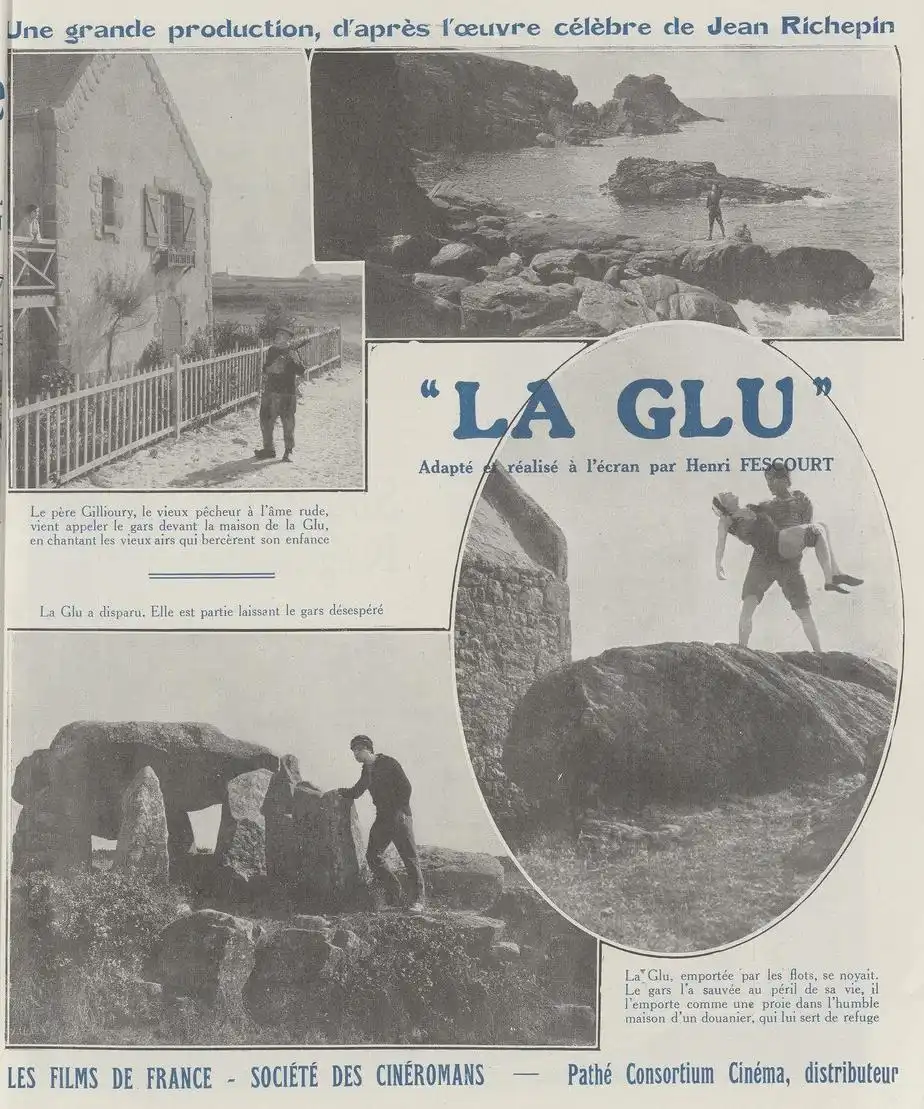
Henri Fescourt, the director, really likes the scenery. There are so many shots of the coast. The rocks look sharp enough to cut the film reel. Honestly, the scenery is the best part of the whole thing. It gives the drama a scale it wouldn't have if it was shot in a studio in Paris.
Sometimes the camera just stays on the water for a few seconds too long. You start to wonder if the editor fell asleep. But then you realize it’s supposed to make you feel the isolation. Or maybe they just had really beautiful footage and didn't want to waste it. I’ve seen similar vibes in Sirens of the Sea, where the ocean is basically the main character.
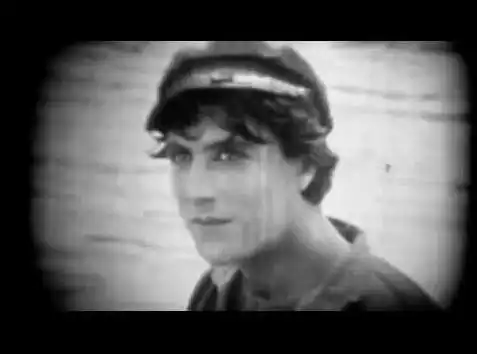
The tinting on the film—that blueish or sepia hue—is really nice in the restored versions. It makes the night scenes feel actually cold. I found myself pulling my blanket up while watching it.
"When he finally comes back to the village, he isn't the same guy. He's broken and he wants blood."
The revenge part of the movie is where things get really intense. Marie-Pierre comes home after being dumped. La Glu is done with him. She’s moved on to the next thing, probably. He isn't taking it well. The movie shifts from a romance-drama into something much darker and more desperate.
His return to the village is awkward. Nobody knows what to say to him. It’s like that feeling in The Slanderers where you can just feel the neighbors whispering behind every closed door. The atmosphere gets real thick with resentment.
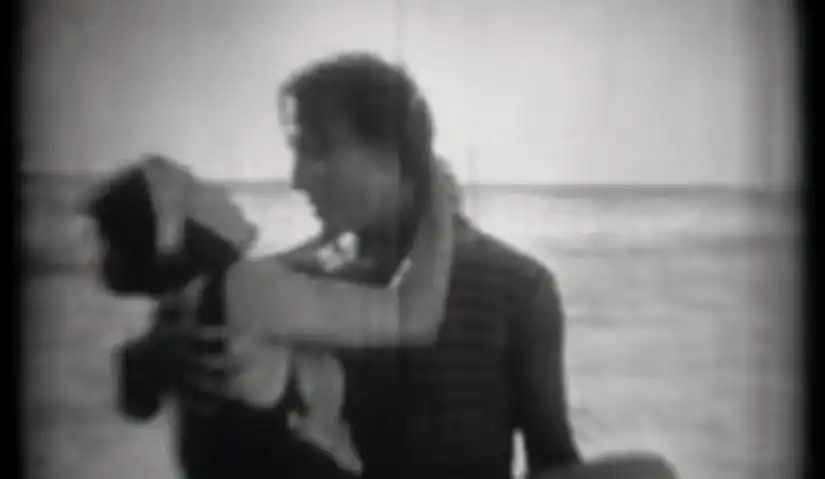
I won’t spoil the ending, but it’s 1920s French melodrama. You can probably guess it doesn't end with everyone sitting down for a nice crepe and a laugh. It’s messy. It’s violent in that way only silent movies can be, with lots of shadows and clutching at hearts.
Is it a perfect movie? No way. Some of the middle parts feel like they are repeating the same point over and over. We get it, he’s sad! We get it, she’s heartless! But the ending makes up for the slow bits. It has this raw energy that you don't always get in films this old.
It’s weirdly similar to The Enemy in how it looks at how one person can just disrupt an entire community's peace. Just one person showing up and suddenly everything is on fire. Metaphorically. Well, mostly.
If you're looking for something polished and fast-paced, this isn't it. But if you like seeing how people used to tell stories with just their faces and the wind, *La Glu* is worth the watch. It’s a bit of a hidden gem if you can find a good copy of it. Just don't expect a happy ending. 🥀
I kept thinking about how much work it must have been to film on those cliffs in 1926. No drones, no lightweight gear. Just big heavy cameras and a lot of hope that the tide doesn't come in too fast. It gives the movie a grounded feeling that modern CGI stuff just can't touch. You can almost smell the salt and the old wood.
Anyway, it's a solid 7 out of 10 for me. Good for a rainy night. It makes your own problems feel a bit smaller compared to getting your life ruined by a Parisian lady in a fancy shawl.
IMDb —
1935
Community
Log in to comment.