DbcultAccessing Vault...
7/10
Senior Film Conservator
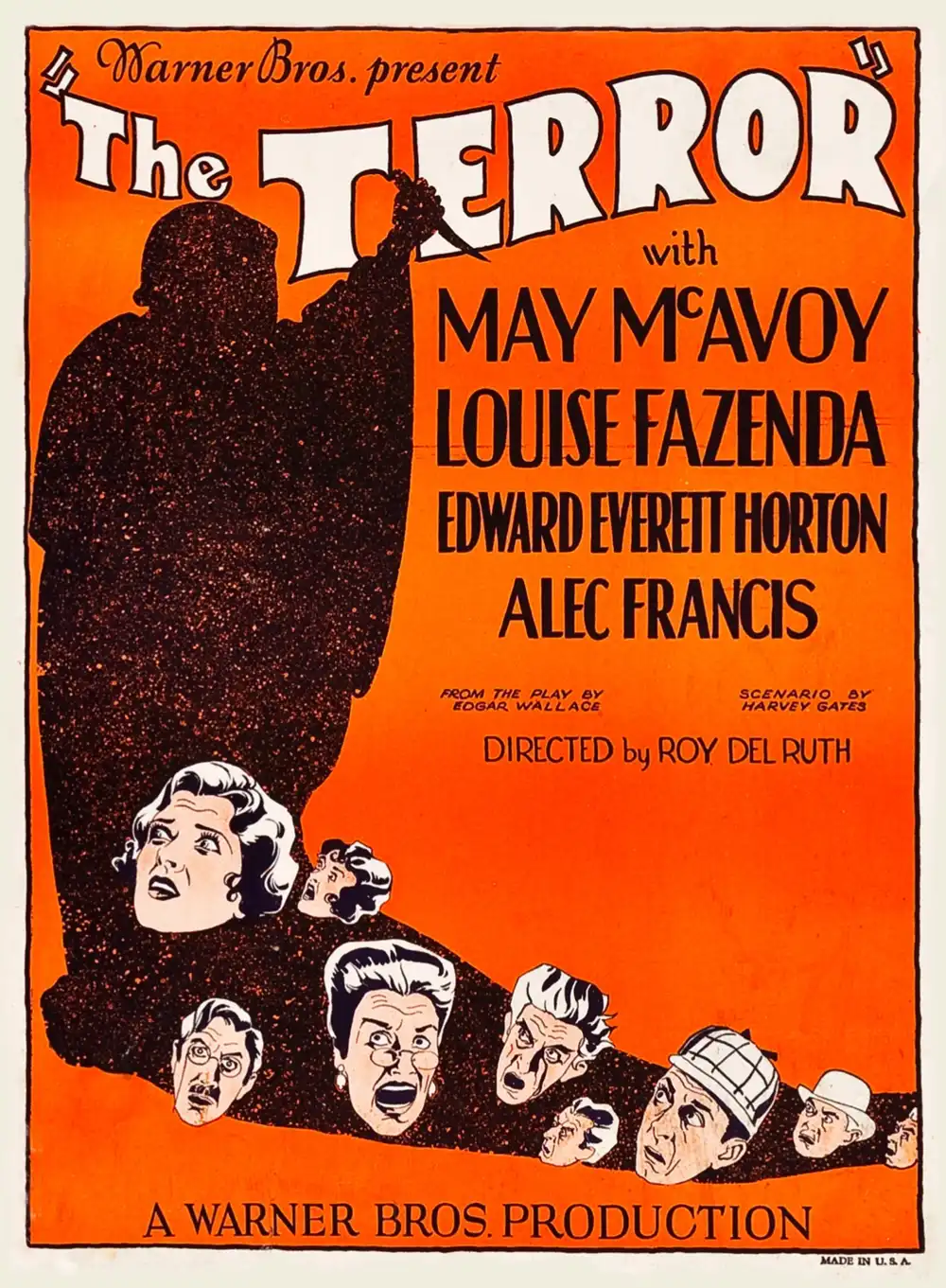
A definitive 7/10 rating for a film that redefined the boundaries of cult cinema. The Terror remains a cornerstone of transgressive art.
If you are looking for a pulse-pounding thriller to watch on a Friday night, The Terror (1928) is absolutely not the film for you. However, if you are a cinema historian or someone fascinated by the awkward, stumbling birth of the 'talkies,' this film is a mandatory specimen. It is less of a movie and more of a captured stage play, frozen in a moment when the industry was terrified of its own microphones. It will appeal to those who enjoy 'Old Dark House' tropes—creaky floorboards, organ music, and secret passages—but will likely bore anyone accustomed to the visual fluidity of even a basic modern television episode.
To understand why The Terror feels the way it does, you have to acknowledge its place in history. Coming just a year after The Jazz Singer, this was Warner Bros.' second feature-length 'all-talking' picture. The novelty back then was simply hearing the actors speak. Today, that novelty has curdled into a peculiar kind of cinematic stasis. Because the microphones of 1928 were bulky and stationary, the actors often look like they are pinned to the floor. You can practically see them leaning toward hidden mics in flower vases or behind curtains.
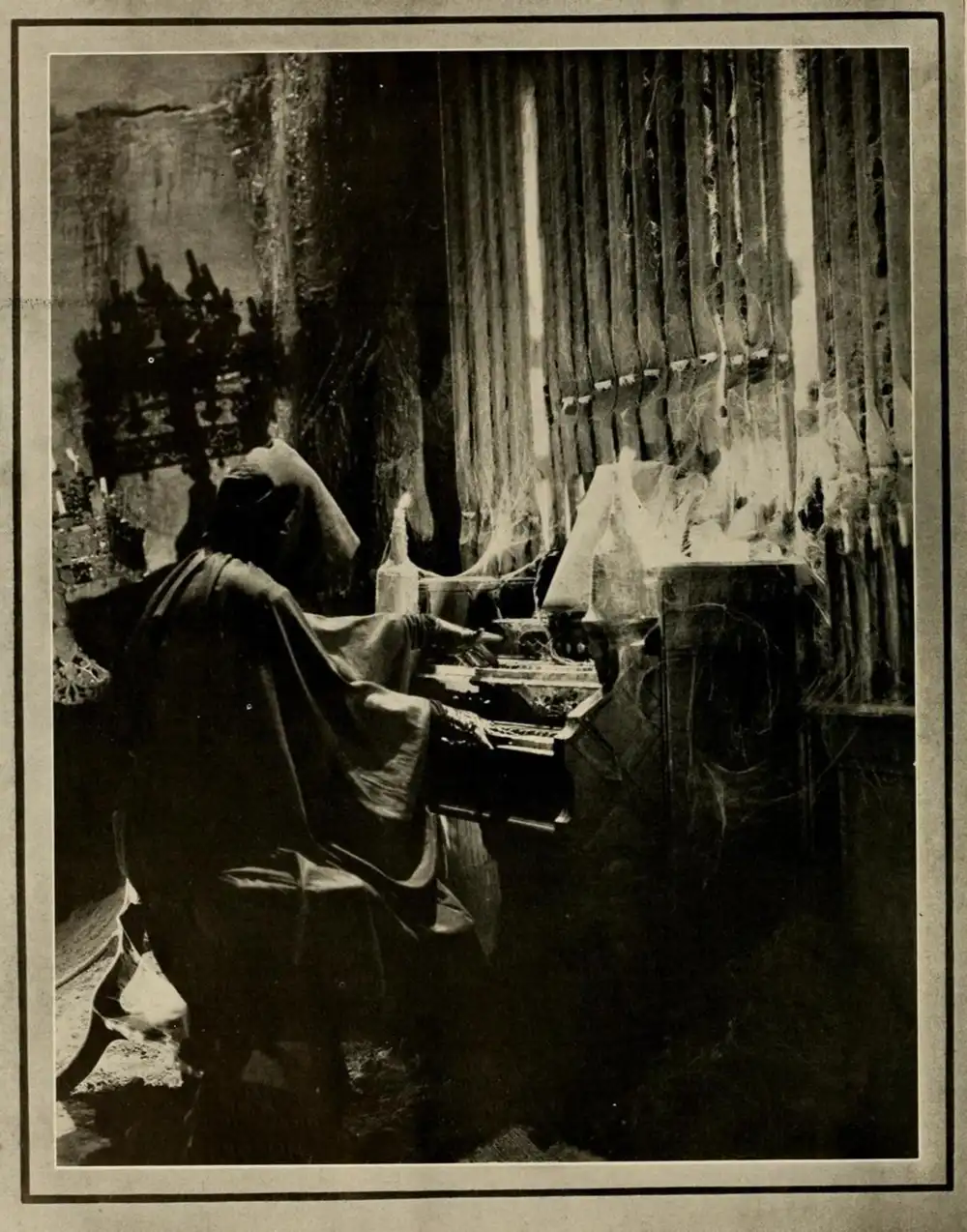
One of the most striking choices—and one that only someone sitting through the film would find immediately jarring—is the total lack of written opening credits. Instead of a title card, a masked figure in a cape (Conrad Nagel) appears on screen to verbally announce the cast and crew. It’s a theatrical flourish that feels incredibly quaint now, but it signals the film’s obsession with its new toy: sound. This choice replaces the visual language of cinema with the literal language of the stage.
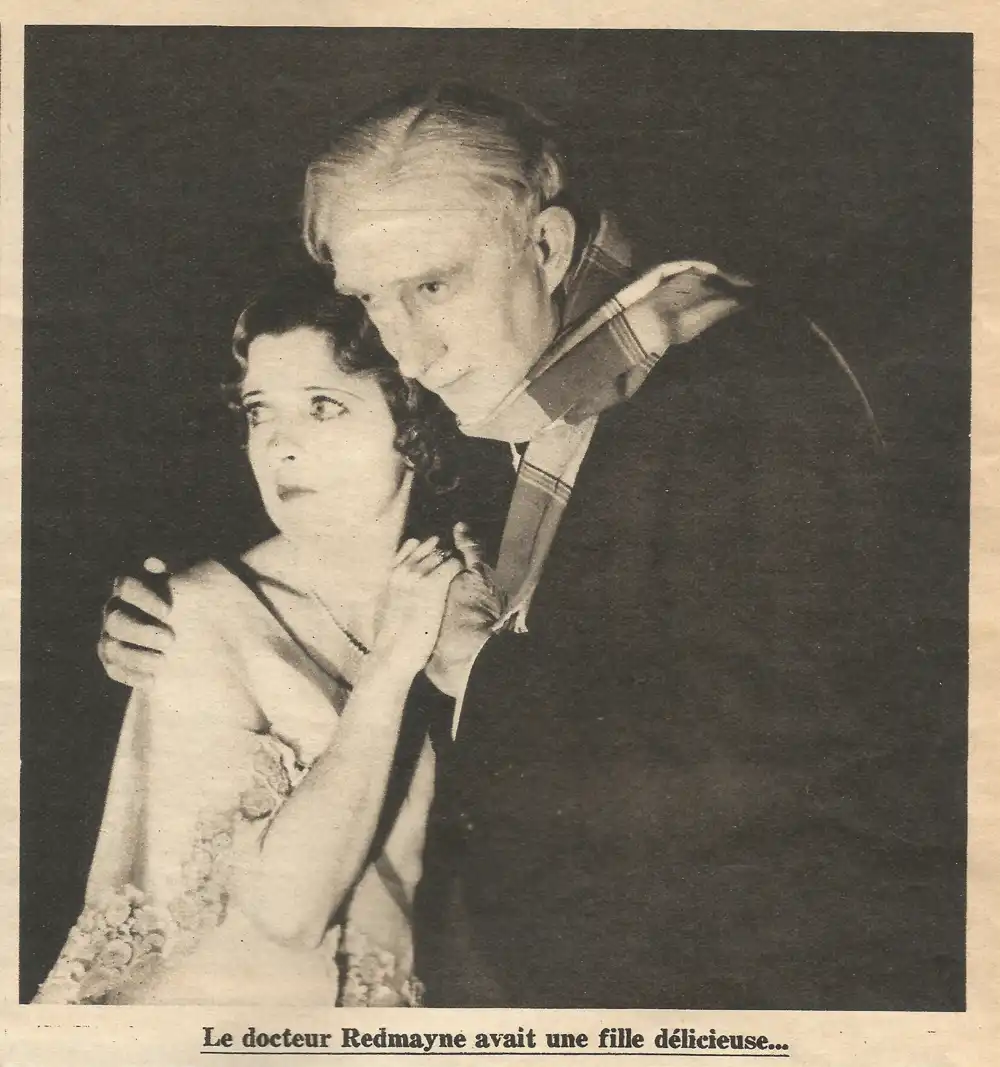
The acting in The Terror is a fascinating mess of styles. Most of the cast, including May McAvoy as the heroine Olga Redmayne, seem stuck in the transition between silent and sound acting. McAvoy often resorts to the wide-eyed, frantic gestures of a silent star, but her vocal delivery is stiff and overly enunciated. There is a strange delay in the dialogue, a rhythmic awkwardness where characters wait a beat too long to respond, likely to ensure the Vitaphone recording equipment caught every syllable.
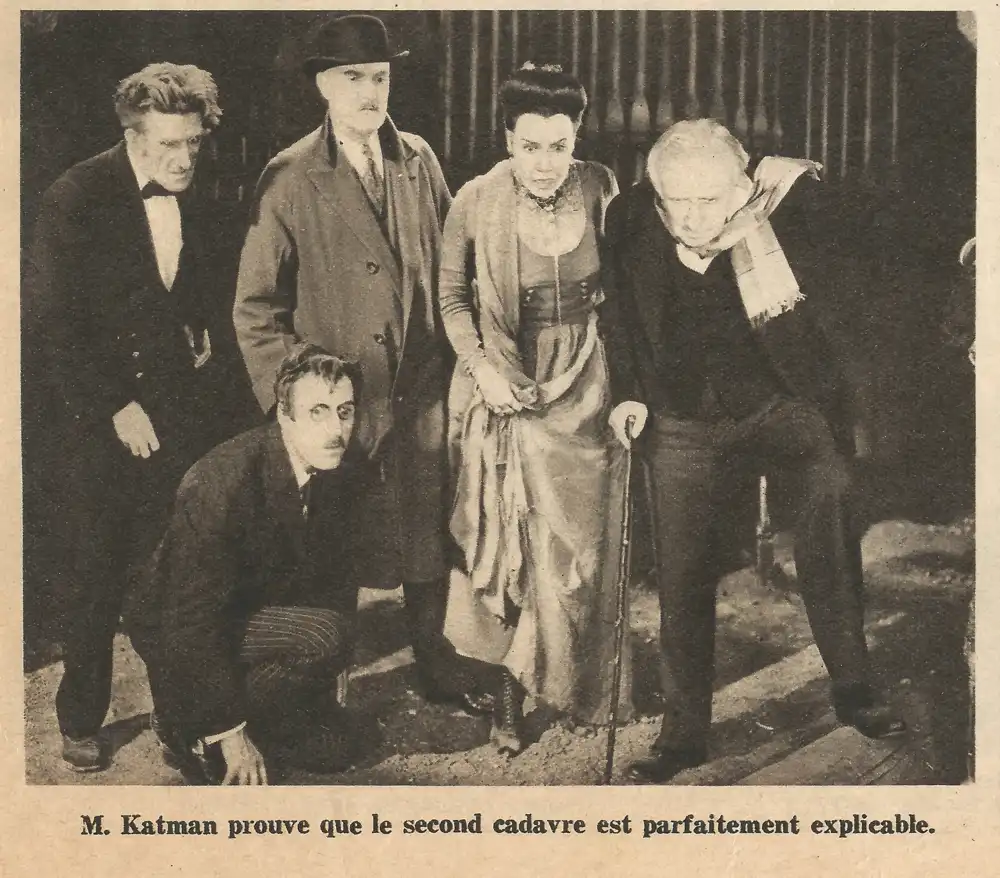
The standout, for better or worse, is Edward Everett Horton. Playing the perpetually drunken Ferdinand Fane, Horton provides the only performance that feels remotely natural. While the rest of the cast is busy looking terrified of the hooded killer, Horton wanders through the scenes with a dry, comedic wit that would later define his career. His presence prevents the film from becoming an unbearable slog, though his 'drunk act' is leaned on a bit too heavily in the middle act to pad the runtime.
Visually, the film is a victim of its era. If you compare it to a late-period silent film like The Hunted Woman, the lack of camera movement is shocking. In 1925, cameras could move, tilt, and follow the action. In 1928’s The Terror, the camera is largely a stationary observer. The director, Roy Del Ruth, tries to create atmosphere with shadows and low-key lighting, but the necessity of keeping the actors near the microphones kills any sense of dynamic action.
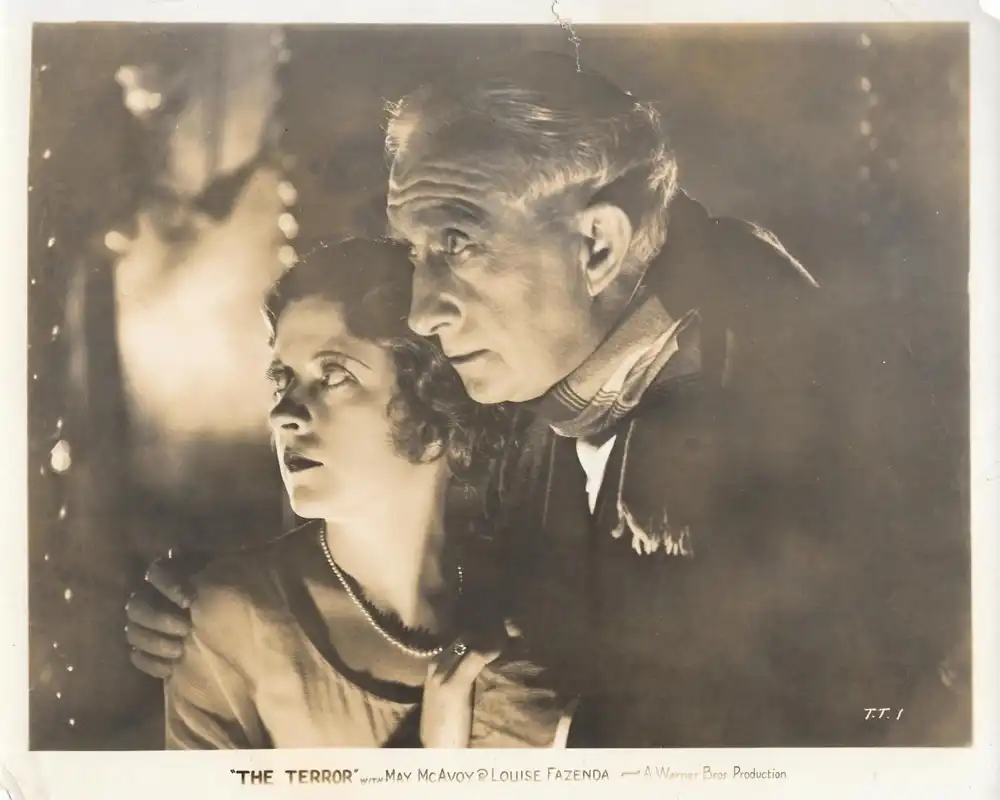
The setting of Monkshall Priory is a classic gothic playground. We get all the hits: the self-playing organ that signals the killer’s presence, the underground vaults, and the sliding wall panels. There is a specific scene involving a flickering candle in a long hallway that almost manages to be spooky, but the tension is usually broken by a character entering the frame and delivering a line of clunky, expository dialogue. The 'Terror' himself, a hooded figure with a penchant for organ music, is more of a concept than a genuine threat. The costume looks a bit like a discarded theatrical prop, lacking the visceral menace found in later Universal horror films.
The pacing is where most modern viewers will struggle. Because the film relies so heavily on dialogue to move the plot, and because that dialogue is delivered so slowly, the 85-minute runtime feels significantly longer. There are several sequences where characters simply sit in a room and talk about things that happened off-screen, a cardinal sin of cinema that was unfortunately common during the early sound transition.
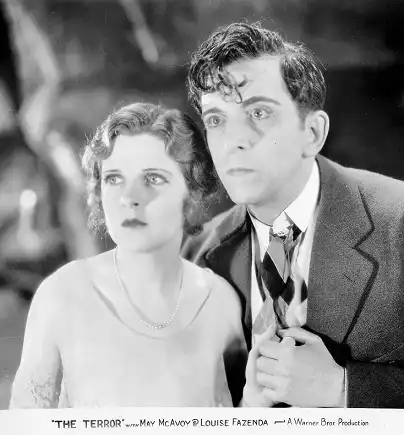
There are also some unintentional laughs born from the technology. The sound of footsteps often sounds like someone dropping planks of wood, and the 'ambience' of the house is a constant, low-level hiss from the Vitaphone discs. However, there is a certain charm to these flaws. They remind you that you are watching an experiment. Unlike the polished slapstick of something like Hard Luck, which feels timeless, The Terror is very much a prisoner of 1928.
Is The Terror a good movie? By modern standards, no. The mystery is predictable, the 'twist' is visible from a mile away, and the protagonist is largely passive. But as a historical artifact, it is fascinating. It represents the moment when Hollywood traded visual artistry for the power of speech, and the growing pains are visible in every frame.
Watch it if: You are a completionist of early horror, a fan of Edward Everett Horton, or a student of film history interested in the Vitaphone era.
Skip it if: You want actual scares, fluid cinematography, or a plot that moves faster than a glacier.
Ultimately, The Terror is a creaky, dusty museum piece that is more fun to talk about than it is to actually sit through. It’s a reminder that sometimes, the most 'revolutionary' steps in technology lead to a temporary decline in artistic quality while everyone figures out how to use the new tools.
IMDb 5.5
1930
Community
Log in to comment.