DbcultAccessing Vault...
6/10
Senior Film Conservator
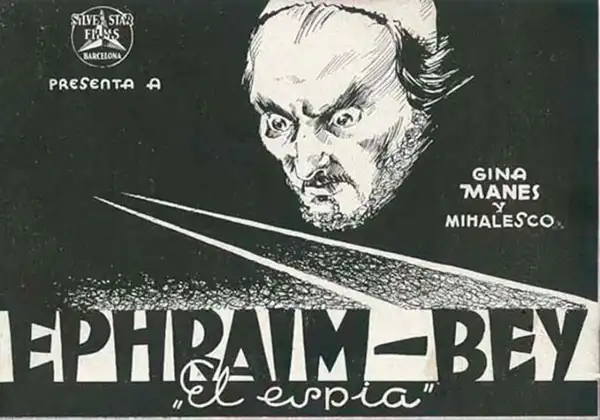
A definitive 6/10 rating for a film that redefined the boundaries of cult cinema. La voie sans disque remains a cornerstone of transgressive art.
Alright, so, La Voie Sans Disque. Is it worth tracking down today? Mostly for film buffs who like digging into older French cinema, especially if you’re curious about how colonial narratives played out on screen way back when. If you expect modern pacing or perfectly clear motivations, you’ll probably find yourself pretty frustrated. It’s a definite niche watch. But it's got a certain charm, even when it’s baffling. 🚂
The whole setup is World War I, but not the trenches. We’re in Djibouti, and the French railroads are having a rough time because some local warriors are, well, causing trouble. Then our main guy, a European railroad employee, gets mixed up with this enigmatic woman. She’s definitely got ties to the rebels. Cue the drama.
First thing you notice: the heat. You can almost feel it radiating off the screen, even if the film quality is a bit rough. They really tried to convey that oppressive desert sun. It makes everything feel a bit more urgent, or maybe just sweatier. 🤔
Camille Bert as the employee, I’m guessing, spends a lot of time looking intense. His eyes do a lot of the heavy lifting. Gina Manès as the mysterious woman is… well, mysterious. She glides through scenes, often without saying much, which actually works pretty well for her character. You can’t quite tell what she’s thinking. Is she helping? Harming? Just observing? It’s a genuinely intriguing performance, even if subtle.
The action sequences with the warriors attacking the trains are surprisingly… active for their time. Lots of running, some desperate skirmishes. There's this one moment where a train nearly derails, and the way they shot it, you really get a sense of the danger. It’s not CGI, obviously, so there’s a rawness there.
But then, there are these bits that just kinda hang. Like a scene where our hero stares off into the distance for what feels like an eternity after a confrontation. You expect a big emotional beat, but it just… ends. Or cuts away. It feels like a note was dropped. 😬
The pacing is a bit like a train ride itself. Long stretches of slow, deliberate movement, then a sudden burst of speed and chaos. It’s not always smooth. One minute, they’re talking strategy, the next, someone’s just riding a camel across an impossibly vast dune for what feels like ages. You almost wonder if the camera operator just forgot to say cut.
There’s a strange almost documentary feel to some of the background shots. You see actual local life, little glimpses of markets or daily routines. It’s not just set dressing; it feels like they captured bits of real Djibouti, which is pretty cool. It adds a texture that many studio-bound films of the era just didn't have.
The relationship between Bert’s character and Manès’s character is central, but it's handled in a very reserved way. Lots of glances, quiet moments. You have to really lean in to feel the connection. It’s not a big, sweeping romance by any stretch. More of a quiet, simmering fascination.
One scene that stuck with me involves a small group trying to repair a damaged track. The heat, the flies, the sheer effort. It’s not glamorous at all. You get a real sense of the physical toll of just existing, let alone working, in that environment.
Alexandre Mihalesco plays a minor character, a sort of grizzled veteran type. He has this one line, I think it was about the desert having its own rules, and his delivery is just so tired, so world-weary. It actually landed pretty well. Made me think about how many small, great moments get lost in these old films.
The film doesn’t shy away from the colonial perspective, which is to be expected for its time. The 'warriors' are often portrayed as a faceless threat. But every now and then, there’s a flicker, a moment where you see them as more than just obstacles. It's not a deep dive into cultural understanding, by any means, but it's not entirely one-sided either, which is interesting for a film from this period.
Ultimately, La Voie Sans Disque is a fascinating historical artifact. It’s clunky sometimes. It’s confusing in others. But it offers a window into a specific time and place, and a style of filmmaking that feels worlds away from today. It’s less about a grand cinematic statement and more about a dusty, hot, slightly meandering journey.

IMDb 7
1916
Community
Log in to comment.