DbcultAccessing Vault...
7/10
Senior Film Conservator
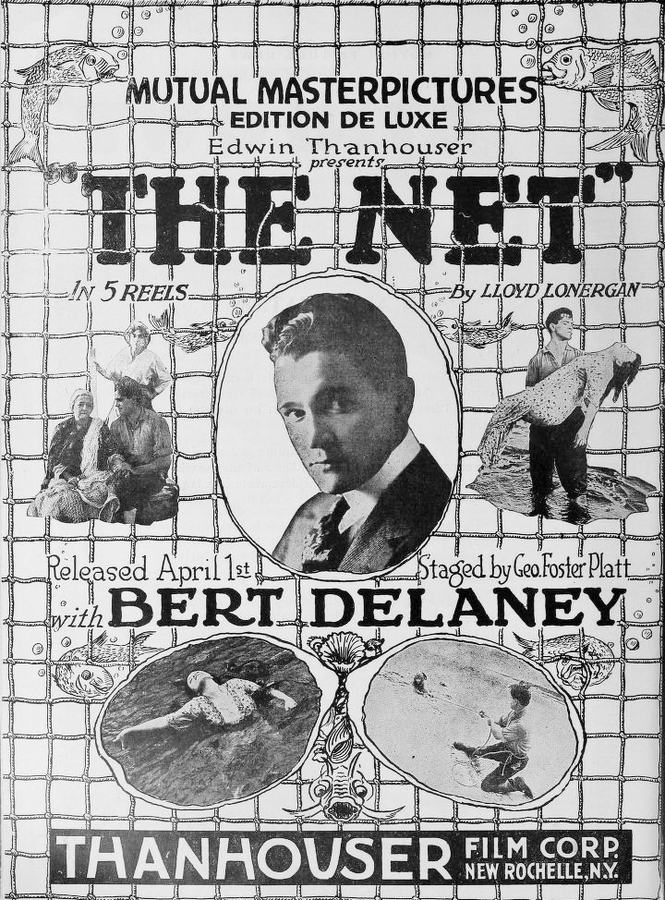
A definitive 7/10 rating for a film that redefined the boundaries of cult cinema. The Net remains a cornerstone of transgressive art.
The 1910s represented a fever dream of cinematic experimentation, a period where the grammar of visual storytelling was being forged in the crucible of high-stakes melodrama. In this landscape, The Net (1916) emerges not merely as a relic of a bygone era, but as a complex tapestry of moral ambiguity and structural sophistication.
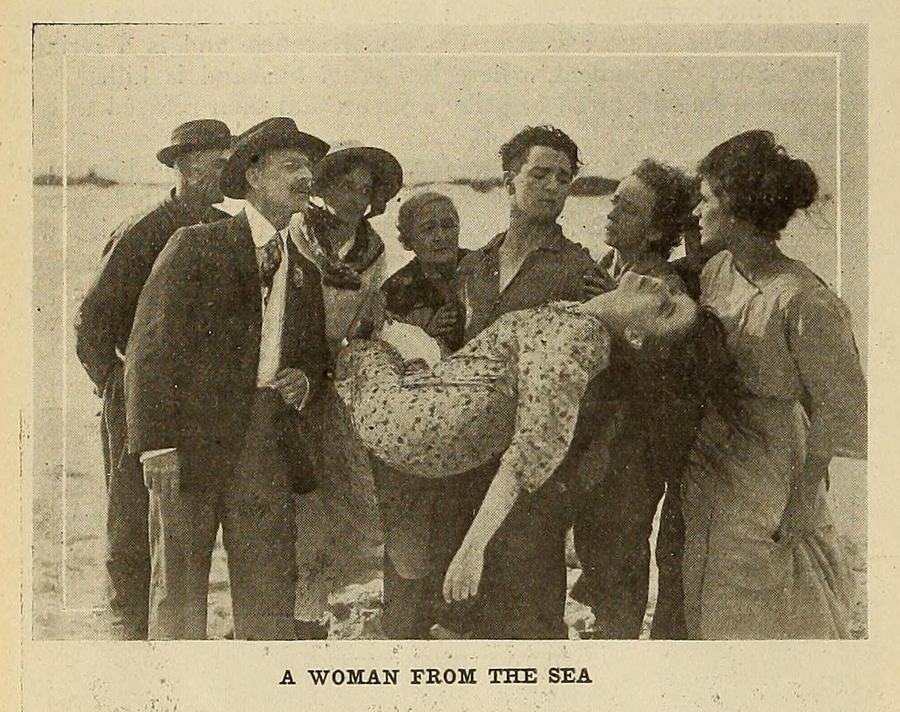
Lloyd Lonergan’s screenplay for The Net is a fascinating study in the mechanics of the 'fallen woman' trope, yet it diverges from the standard moralizing of its contemporaries. Unlike the more straightforward path found in The Girl from Beyond, Lonergan constructs a narrative labyrinth where every character is ensnared in a metaphorical web—hence the title’s potent double meaning. The film utilizes the sea as both a literal and figurative source of chaos, bringing a thief into the lives of the innocent under the guise of a tragic survivor.
The initial act establishes a pastoral serenity that is almost immediately undercut by the arrival of Ethel Jewett’s character. Jewett delivers a performance of remarkable duality; she is at once the vulnerable waif and the calculating opportunist. Her physical presence, described as 'different from that of the fisher maidens,' serves as a visual shorthand for the intrusion of urban vice into rural virtue. This collision of worlds is a recurring theme in silent cinema, often explored with less nuance in works like The Colleen Bawn, but here it takes on a darker, more cynical edge.
One of the most striking elements of The Net is its subversion of the law. The detective, played with a chilling pragmatism by William P. Burt, is not the harbinger of justice but a catalyst for corruption. His decision to bribe the girl rather than arrest her, and his subsequent orchestration of a fraudulent marriage to secure the fisherman’s fortune, places him in the pantheon of early cinematic villains who operate within the system’s shadows. This cynicism mirrors the thematic depth found in The Conspiracy; or, A $4,000,000 Dowry, where wealth and law are inextricably and often violently linked.
The detective’s leverage over the second girl—the fisherman’s 'real' sweetheart—introduces a secondary layer of conflict that elevates the film from a simple crime drama to a Shakespearean tragedy of sacrifice. When he discovers her father is a fugitive, the film pivots into a high-stakes ethical dilemma. The daughter’s sacrifice of her own happiness to save her father from the gallows provides the film with its emotional core, contrasting sharply with the primary antagonist's selfish avarice. This dynamic of filial piety versus romantic longing is handled with a restraint that avoids the mawkishness of The Voice of Love.
Technically, The Net demonstrates a sophisticated understanding of spatial tension. The use of the fisherman's home—a site of supposed safety—as the stage for the detective's extortion creates a sense of claustrophobia. However, it is the outdoor sequences that truly define the film’s aesthetic. The coastal setting is used to emphasize the isolation of the characters, a technique also effectively employed in The Mystery of St. Martin's Bridge.
The climax, involving an automobile chase toward the quicksands, is a tour de force of early action editing. The quicksand itself serves as a powerful symbol of the 'net' from which there is no escape for the wicked. While the 'good' characters are trapped by social and legal obligations, the 'evil' characters are literally swallowed by the earth. This elemental justice is a common trope in the era, yet here it feels earned through the relentless buildup of the girl’s paranoia. Her belief that the second girl’s warning is a trap is the ultimate irony; her own deceptive nature becomes her executioner. This fatalistic conclusion resonates with the dark undertones of The Temptations of Satan.
In comparing The Net to The Devil at His Elbow, one notices a similar preoccupation with the corrupting influence of the city on the soul. However, The Net offers a more complex female lead. Ethel Jewett does not play the bride as a one-dimensional villain; there is a palpable sense of desperation in her actions, a frantic need to escape a past that is literally and figuratively chasing her. This complexity is often missing in other contemporary melodramas like Truthful Tulliver, which relies more on archetypal heroics.
The supporting cast, particularly Marian Swayne as the 'real' sweetheart, provides the necessary light to balance the film’s noirish shadows. Swayne’s performance is one of quiet dignity, representing the moral anchor of the story. Her willingness to sacrifice her future for her father’s safety is a beat that echoes through the history of cinema, finding parallels in The Crucible of Life and Broken Threads.
Lonergan’s writing is characterized by a density of plot that would be impressive even by modern standards. The way he weaves together the fisherman’s inheritance, the detective’s corruption, the father’s fugitive status, and the girl’s past crime is nothing short of surgical. It lacks the sprawling, often unfocused nature of films like Die Sieger. Instead, every scene in The Net serves to tighten the noose around the characters, leading to a resolution that feels both shocking and inevitable.
The film’s resolution—the letter from headquarters verifying the father’s innocence—is perhaps its only concession to the standard 'happy ending' requirements of the time. While it provides a cathartic release, the true power of the film lies in the preceding ninety minutes of tension. It shares a certain grim realism with La Broyeuse de Coeur, where hearts are indeed crushed by the machinery of fate and social expectation.
To watch The Net today is to witness the birth of the psychological thriller. It moves beyond the simple 'good vs evil' dichotomy to explore the gray areas of survival and the crushing weight of the past. The cinematography, though limited by the technology of 1916, manages to capture the haunting beauty of the coast and the terrifying finality of the quicksands with a poetic clarity. It is a film that demands attention, much like Unclaimed Goods or Die Silhouette des Teufels, for its refusal to provide easy answers to complex moral questions.
In the pantheon of silent era dramas, The Net stands as a towering achievement of narrative economy and emotional intensity. It utilizes its maritime setting not just for scenery, but as a character in its own right—a force of nature that brings both life and death, truth and lies. For any serious student of film history, or anyone who appreciates a story where the stakes are as high as the tide, this film is an essential viewing experience. It reminds us that even a century ago, cinema was capable of exploring the darkest recesses of the human heart with profound insight and uncompromising artistry. The stalwart fisherman and his eventual bride may find their peace, but the image of the quicksand remains—a stark reminder of the fragile ground upon which our social masks are built.
Ultimately, the film transcends its genre. It is not just a melodrama or a crime story; it is a meditation on the nature of redemption and the impossibility of truly escaping one's origins. Like Hugon, the Mighty, it deals with themes of strength and vulnerability, but places them in a world where strength is often a liability and vulnerability is a weapon. The Net is a masterpiece of its time, a film that continues to resonate with a haunting, salt-sprayed power.
IMDb 5.3
1936
Community
Log in to comment.