DbcultAccessing Vault...
Cult Review
Senior Film Conservator
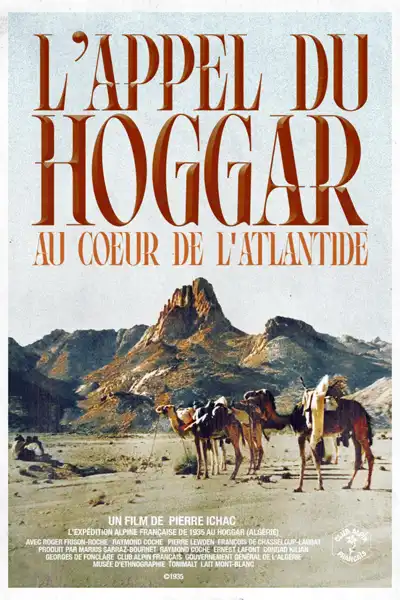
So, you’re thinking about diving into L'Appel Du Hoggar, Au Coeur De L'Atlantide? Let me tell you straight: this isn't for everyone. If you love old movies, like, really old movies, or have a deep fascination with how people explored before GPS and fancy gear, then absolutely, give it a shot. You'll probably find it amazing, a true window into another time. But if you're looking for fast pacing, crisp visuals, or a modern documentary feel, you're going to be bored stiff. Maybe even frustrated. It's slow. It's scratchy. And it’s utterly captivating if you let it be.
This 1935 film takes us with a French alpine team into the Hoggar mountains of Algeria. Think big, empty desert, then suddenly, huge rock formations you'd swear came from another planet. The goal? To climb some seriously untouched peaks, plant the French flag. Simple, right? But the journey itself, that’s the whole movie. 🗺️
What struck me first was just how raw everything looks. The film quality, naturally, is grainy and full of scratches. But it adds to the feeling, honestly. You’re not watching a polished product; you’re looking at something dragged through time, almost like an archaeological find itself. The camera, handled by Pierre Ichac, just kind of... points and records no fancy tracking shots here.
The climbers – Roger Frison-Roche, Raymond Coche, Pierre Lewden, and filmmaker Ichac – they’re just so determined. You see them moving across these vast, empty landscapes. Small figures against immense, silent rock faces. It really makes you think about how different "adventure" was back then. No Gore-Tex. No satellite phones. Just grit, ropes, and a heavy camera.
There's a long shot, I remember, of them just walking. And walking. The sun is beating down, dust everywhere. The silence of the desert really comes through, even with the old audio. You almost feel parched just watching them. It’s a real testament to how grueling that kind of expedition must have been. It’s not about the destination, but the sheer endurance of getting there. 💪
You notice the little things. Like the way they handle their gear. It all looks so heavy, so cumbersome. Their climbing techniques, too, feel incredibly basic by modern standards. But they get it done. It’s a testament to skill and brute force, really.
The film doesn't try to make big dramatic moments. It just *shows* them. A particularly steep climb, a tricky traverse. One shot lingers on a climber slowly, carefully placing a handhold. It goes on for what feels like a minute, and you can almost hear their ragged breathing. No quick cuts, no swelling music. Just the moment itself. And it works.
There are these moments where you can see the wonder in their eyes, even through the old film. When they finally reach a summit, for example. The view from up there, it's just breathtaking, even in black and white. You get a sense of why they did it, why they put themselves through all that.
The pacing is definitely a thing. It's not *slow* like a bad movie; it's slow like life on an expedition. Days are long, tasks are repetitive, and progress is measured in small steps. This isn't a blockbuster; it’s more like a visual diary. It needs your patience, a lot of it.
I also kept thinking about the sheer logistics of filming this in 1935. Hauling all that camera equipment across the Sahara, up those mountains? That’s an expedition in itself! Pierre Ichac was doing double duty, documenting his own intense journey. Makes you appreciate how much effort went into making even a seemingly simple documentary back then.
It's fascinating to see the cultural ambition, too. Planting the French flag. It’s a very colonial-era mindset, for sure, but also a simple, powerful drive for exploration and national pride at the time. The film presents it without much fanfare, just as a matter of fact. 🇫🇷
There are no big monologues, no deep interviews. Just the action. The quiet struggle. The vast, indifferent landscape. It's a reminder that sometimes, the most profound stories are told through observation, not explanation.
So, yeah, it’s a niche watch. But for those who connect with it, L'Appel Du Hoggar offers a truly unique glimpse into a past that feels both incredibly distant and strangely immediate. It's not perfect, not by a long shot, but its imperfections are part of its charm. Like a rugged old map, showing you trails that no one travels anymore. 🗺️⛰️
Community
Log in to comment.