DbcultAccessing Vault...
6.6/10
Senior Film Conservator
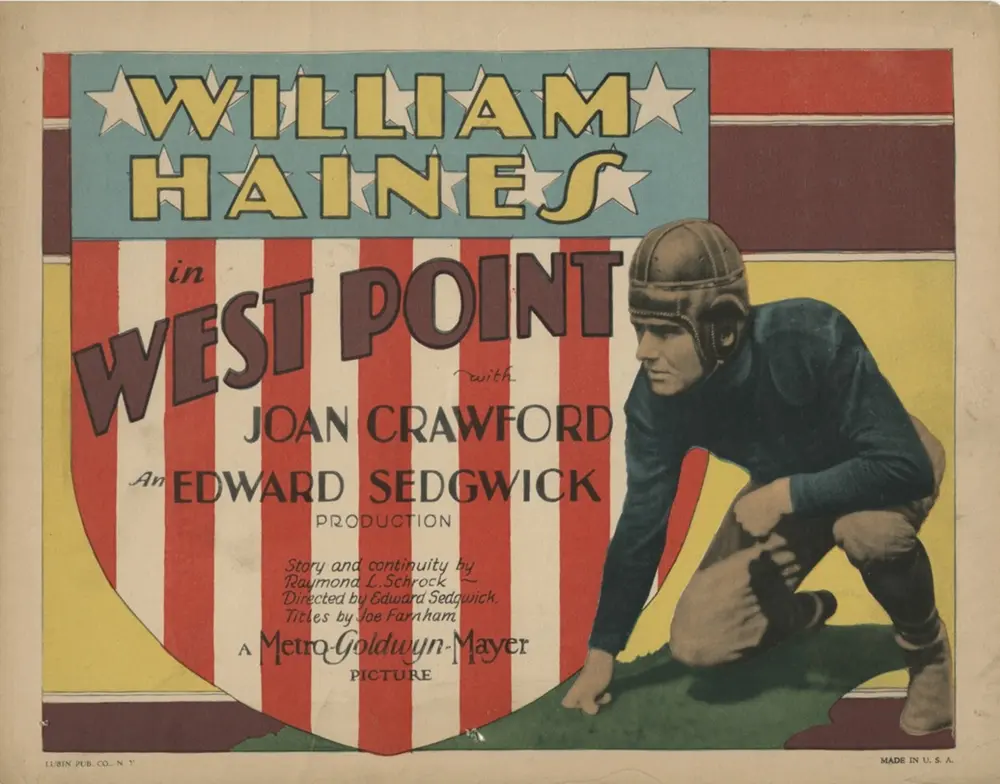
A definitive 6.6/10 rating for a film that redefined the boundaries of cult cinema. West Point remains a cornerstone of transgressive art.
Is this film worth watching today? Short answer: yes, but primarily as a historical curiosity of the silent era's obsession with masculine reformation. This film is for those who enjoy the specific magnetism of William Haines and for Joan Crawford completists, but it is certainly not for those seeking a nuanced military critique or a fast-paced modern narrative.
This film works because William Haines is a master of the punchable face, making his eventual humbling feel deeply earned. This film fails because the redemption arc feels unearned and rushed in the final act. You should watch it if you want to see the exact moment Joan Crawford began to outshine her leading men.
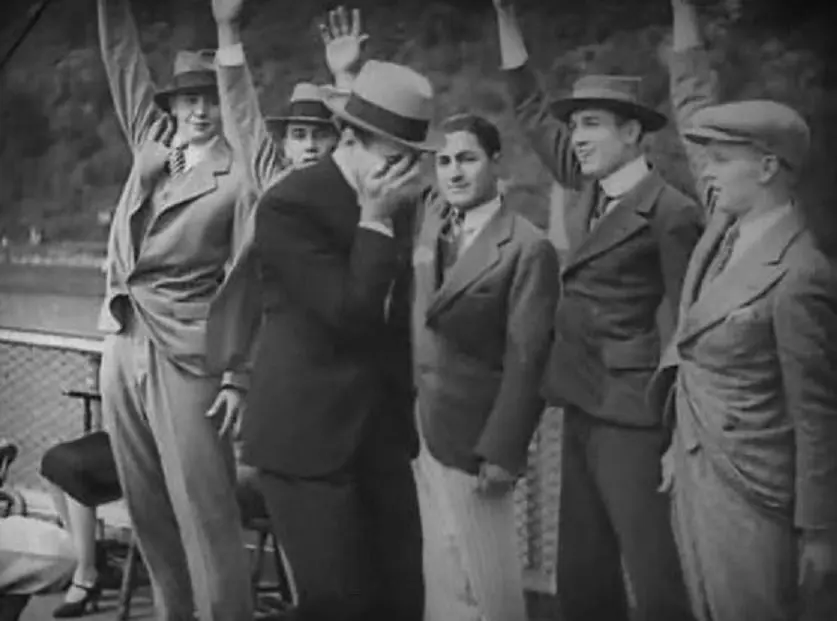
William Haines was the definitive "smart-aleck" of the 1920s. In West Point, he pushes this persona to its absolute limit. His character, Brice Wayne, isn't just confident; he is insufferable. There is a specific scene early in the film where Wayne mocks the upperclassmen during a drill that highlights Haines' unique ability to be both charming and detestable. It is a tightrope walk that few modern actors could replicate without losing the audience entirely. He doesn't play a hero; he plays a nuisance who happens to be good at football.
The film relies heavily on the audience's willingness to wait for Wayne's comeuppance. Unlike the more earnest performances in The Covered Wagon, Haines brings a modern, almost cynical edge to the silent screen. He represents the Jazz Age's rejection of old-world formality, clashing violently with the 19th-century ethics of the Military Academy. It works. But it’s flawed. The script demands we eventually love him, but the film spends so much time making us hate him that the transition feels like a narrative whiplash.

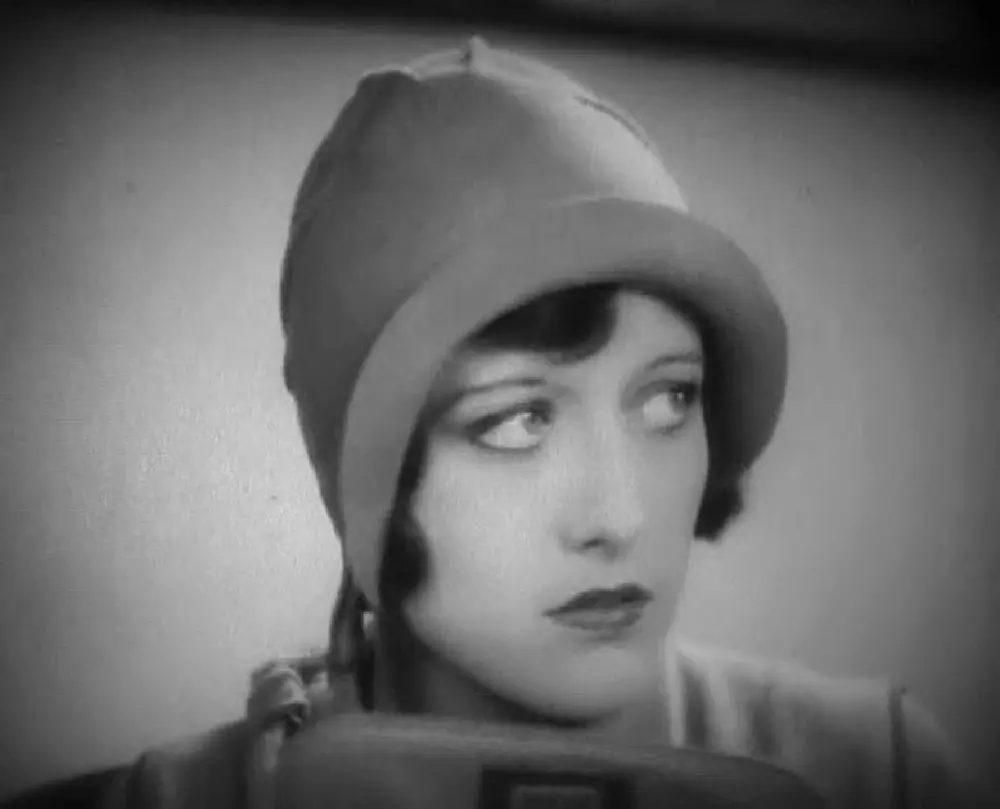
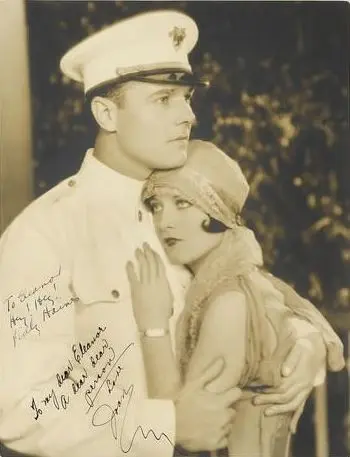
While this is ostensibly a Haines vehicle, the real interest for modern viewers lies in Joan Crawford's Betty Channing. At this stage in her career, Crawford was still the "flapper" archetype, but you can see the simmering intensity that would later define her work in the 1940s. Her chemistry with Haines is serviceable, but she often looks like she is waiting for a more substantial scene to sink her teeth into. She isn't just the "girl next door"; she is the moral compass of a film that is otherwise obsessed with masculine posturing.
Compare her performance here to the more melodramatic turns in Scars of Jealousy. In West Point, she is grounded. She doesn't resort to the wide-eyed histrionics common in the era. Instead, she uses her eyes to convey a weary disappointment in Wayne’s antics. It is a subtle performance in a film that is anything but subtle. Every time she is off-screen, the film loses its emotional gravity.
The cinematography in West Point is surprisingly clinical. The director uses the actual location of the Academy to create a sense of overwhelming scale. The shots of the cadets marching in perfect unison are not just filler; they are the film's primary antagonist. The camera treats the architecture of West Point as a prison for Wayne's ego. The stone walls and rigid lines of the parade ground contrast sharply with Wayne’s loose, athletic movements.
There is a specific shot of the Hudson River in the background during a quiet moment between Wayne and Betty that stands out. It provides a rare breath of air in a film that otherwise feels claustrophobic with duty. The football sequences are also worth noting. While they lack the kinetic energy of modern sports films, they possess a brutal, muddy realism. You can almost feel the weight of the wool uniforms and the lack of protective gear. It makes the stakes feel higher than a simple game.
The answer depends on what you value in cinema. If you value character development and a balanced narrative, you might find the film frustrating. The pacing is uneven, with the middle act dragging through repetitive military drills that feel like a recruitment video. However, if you value the history of performance and the evolution of the "anti-hero," it is an essential watch. It captures a specific moment in American culture where the individual was beginning to rebel against the institution.
The film treats the football field as a more sacred space than the chapel. This is an unconventional observation for a 1927 film, but the narrative clearly positions athletic achievement as the ultimate form of social redemption. It is a shallow philosophy, but it is one that the film commits to with total sincerity. The final game against Navy is edited with a frantic energy that still manages to elicit a genuine visceral response, even if you know exactly how it will end.
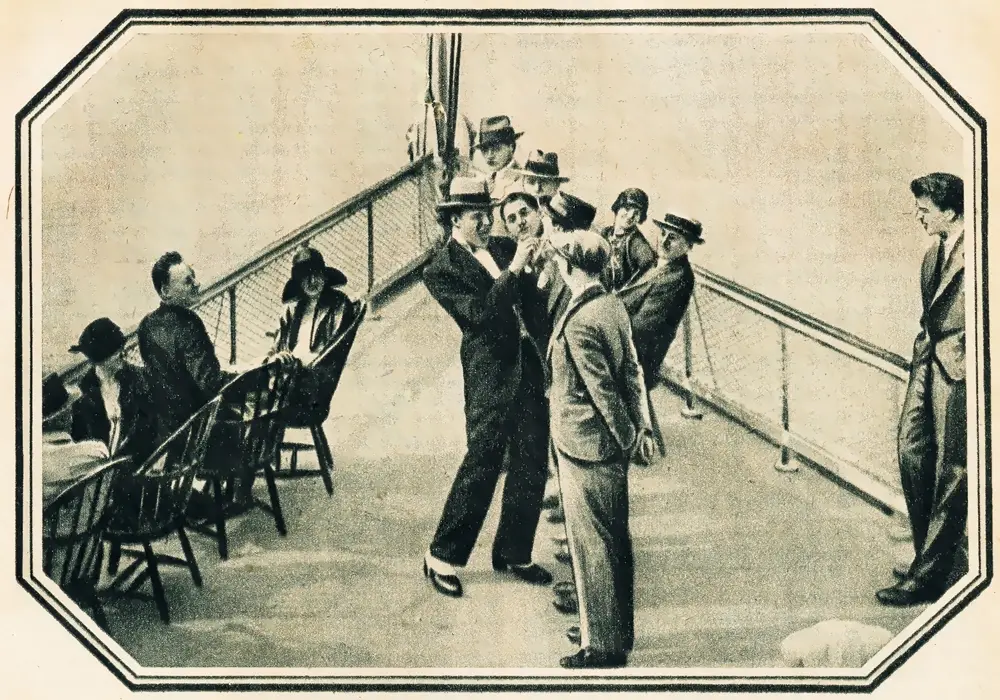
To understand West Point, one must understand the era. 1927 was a year of transition. Films like Remodeling Her Husband were exploring domestic shifts, while West Point looked at the institutional molding of the American man. The film acts as a bridge between the Victorian values of the previous century and the burgeoning individualism of the 20th. It suggests that while the individual is important, they are nothing without the structure of the state.
This message was likely comforting to an audience living through rapid social change. The film argues that even the most rebellious spirit can be tamed and redirected for the greater good. It is a conservative message wrapped in a sports movie's clothing. Whether you find that message inspiring or stifling will largely dictate your enjoyment of the film. Personally, I find the film's insistence on conformity to be its most chilling and fascinating aspect.
West Point is a fascinating relic. It is not a perfect film, nor is it the best example of the silent era's capabilities. However, it is a potent showcase for William Haines, an actor whose career was tragically cut short by the very institutional rigidity this film celebrates. The irony is thick. The film celebrates a man who learns to fit in, while Haines himself was eventually ousted from Hollywood for refusing to do the same in his personal life.
Watch it for the history. Watch it for Crawford. But most importantly, watch it to see how Hollywood once tried to sell the idea that a good tackle could solve a personality disorder. It is clumsy, it is loud (even for a silent film), and it is undeniably compelling. It is a piece of the puzzle of American cinema that shouldn't be ignored.
IMDb —
1920
Community
Log in to comment.