DbcultAccessing Vault...
6/10
Senior Film Conservator
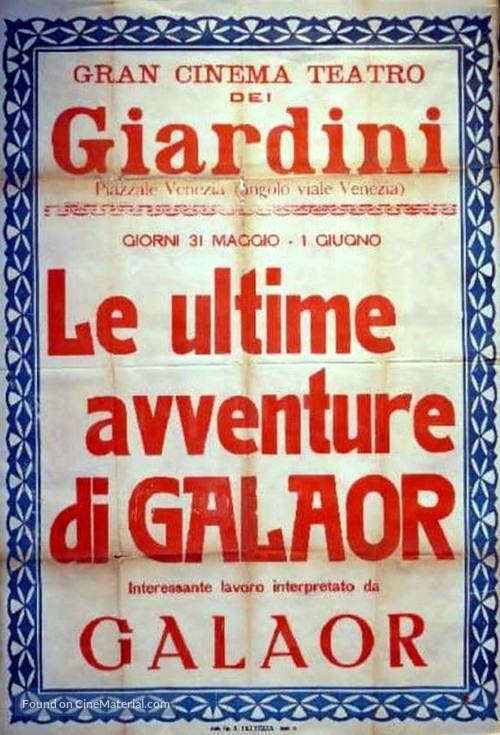
A definitive 6/10 rating for a film that redefined the boundaries of cult cinema. Le ultime avventure di Galaor remains a cornerstone of transgressive art.
Le ultime Avventure di Galaor is a film that crackles with the tension of a tempest. Released in 1912, it occupies a curious space at the intersection of Italian silent cinema’s burgeoning ambition and the theatricality of early film. Directed with a deft balance of restraint and grandeur, the film’s narrative—a collision of familial loyalty, economic exploitation, and romantic idealism—resonates with the same visceral urgency as The Long Arm of the Law, yet distinguishes itself through its operatic scale and chiaroscuro contrasts.
Galaor (Alfredo Boccolini) is no mere hero; he is a man of contradictions. His return from the Americas, a journey that should symbolize triumph, instead reveals a homeland in decay. The film’s opening sequence—a hazy train ride through a fog-draped countryside—sets the tone for his internal disquiet. Boccolini’s performance is a masterclass in subtle expression: his eyes, often shadowed by the weight of unspoken regrets, convey a man who has seen too much of the world yet remains naïve to the duplicity of his own kin.
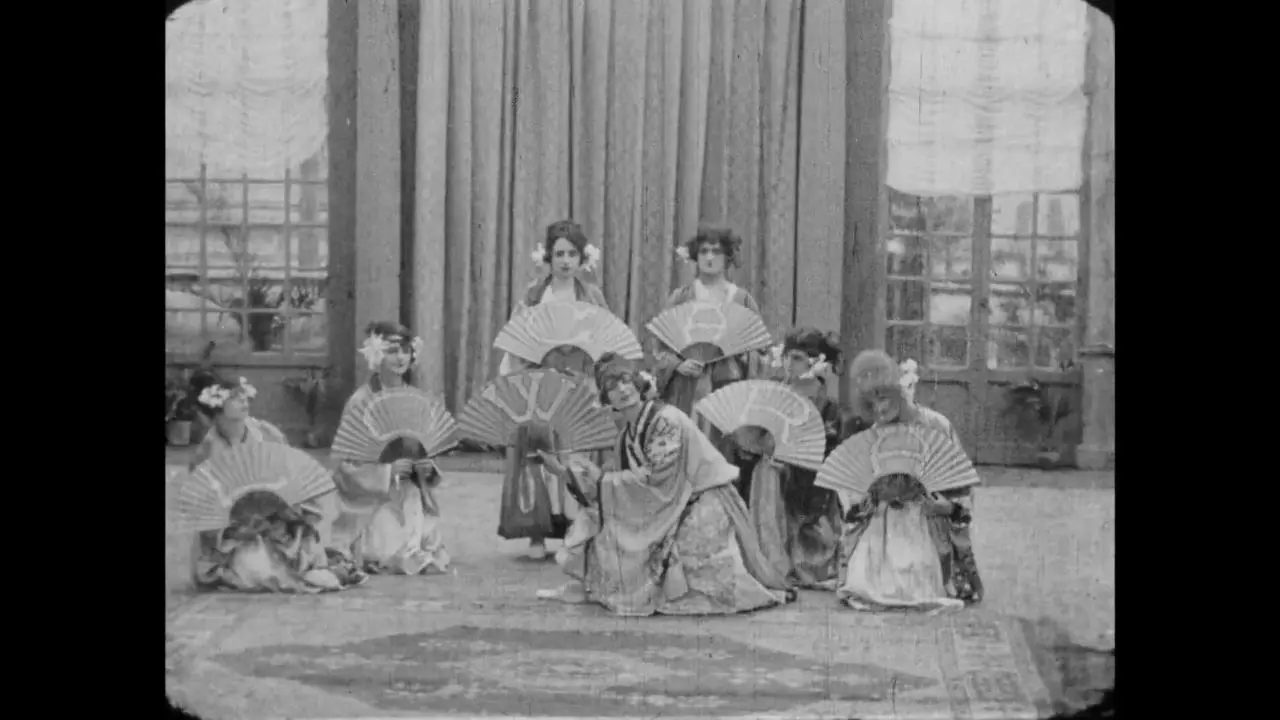
Lise (Tatiana Gorka), the cousin at the heart of the film’s moral quandary, is rendered with aching vulnerability. Her forced engagement to Moriang (Armando Novi) is not merely a plot device but a searing indictment of patriarchal authority. Gorka’s portrayal of Lise’s quiet defiance—her fingers tightening around a locket, her gaze lingering on a portrait of her mother—elevates the character beyond the archetype of the suffering maiden. She is a woman caught between duty and desire, her agency stifled by the same capitalist forces that Moriang embodies.
Moriang, as portrayed by Novi, is a villain of chilling precision. His charm is a veneer for avarice; his every gesture, from a half-smile to a calculated pause, suggests a man who has long mastered the art of manipulation. The screenwriter’s decision to frame Moriang’s rise as a savior of the family’s factories—a modern-day Midas—adds layers of irony. He is not merely a corrupt financier but a symptom of an industrial era where morality is transactional.
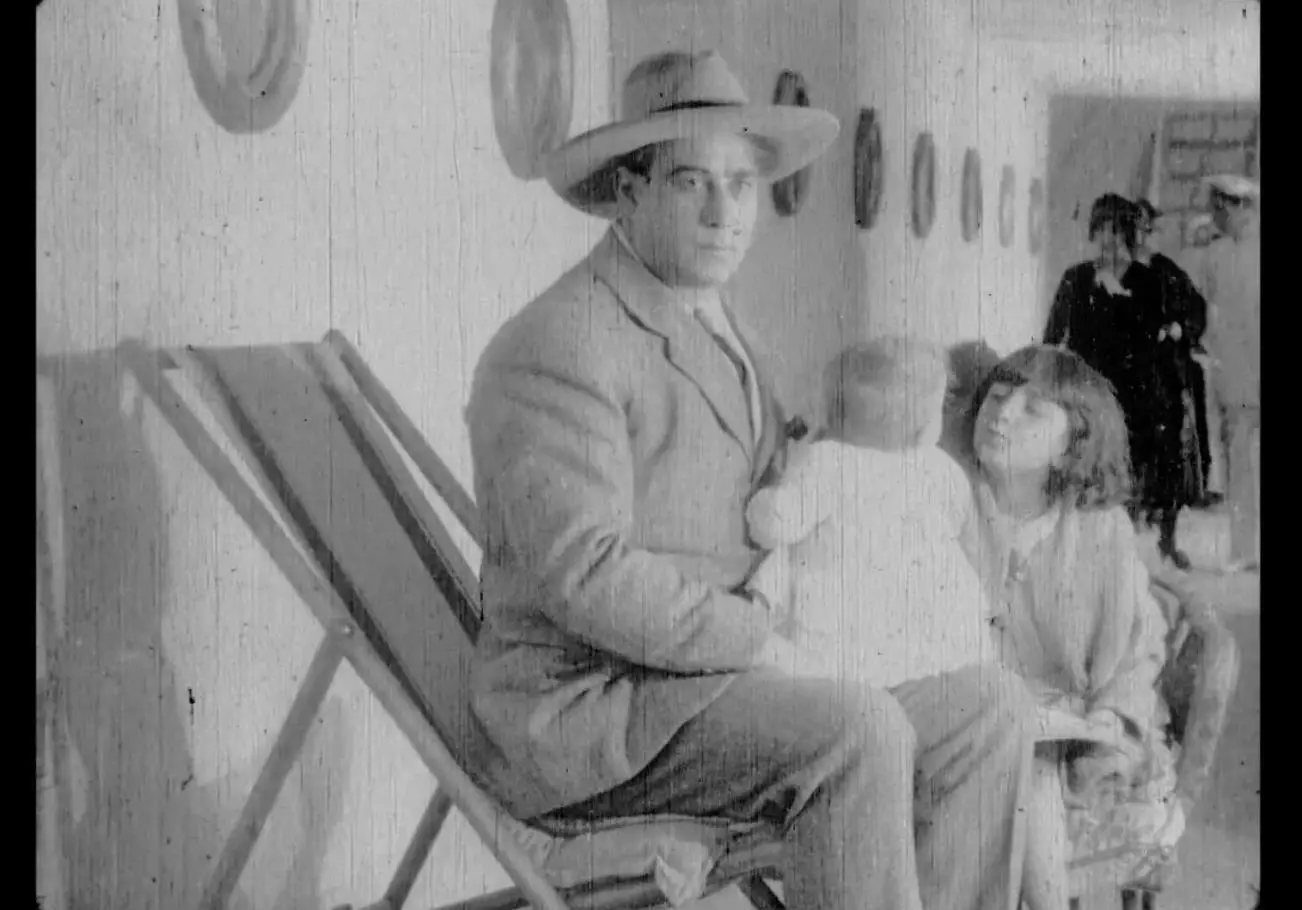
The film’s third act, which spirals into a web of subterfuge, is where its true brilliance emerges. The framing device—a theft orchestrated to tarnish Galaor’s honor—is executed with the precision of a Dostoevskian thriller. Yet what sets Le ultime Avventure di Galaor apart from its contemporaries is its refusal to simplify moral binaries. Galaor’s crusade to expose Moriang is not pure righteousness; it is tinged with personal anguish, a desire to reclaim the narrative of his own life. This complexity echoes the thematic depth of Lyubov Statskogo Sovetnika, though with a distinctly Italian melancholy.
Visually, the film is a triumph of silent cinema’s nascent artistry. The use of light and shadow is not merely aesthetic but symbolic: Moriang’s office, bathed in the cold glow of gas lamps, contrasts starkly with Lise’s sunlit garden, a fleeting sanctuary. The climax, a storm-lashed confrontation beneath a crumbling chandelier, is a tour de force of symbolic composition. The camera lingers on the fractured glass, a metaphor for the shattering of illusions—a motif that lingers in the memory like a haunting refrain.

One cannot ignore the film’s debt to the operatic traditions of early 20th-century Italian culture. The pacing, though deliberate, is punctuated with bursts of kinetic energy—chases through opulent ballrooms, whispered conspiracies in shadowed corridors. These sequences recall the theatricality of The Crimson Wing, though Le ultime Avventure di Galaor tempers its melodrama with a grounded sense of human frailty.
The supporting cast, particularly Decio Iacobacci as Lise’s father, adds depth to the narrative’s ethical ambiguities. Iacobacci’s portrayal of a man torn between gratitude and guilt is nuanced, his physicality conveying a man whose spine has been metaphorically bent by years of compromise. His final act—offering Galaor a vial of poison as a means of escape—serves as a poignant commentary on the futility of redemption within a corrupt system.
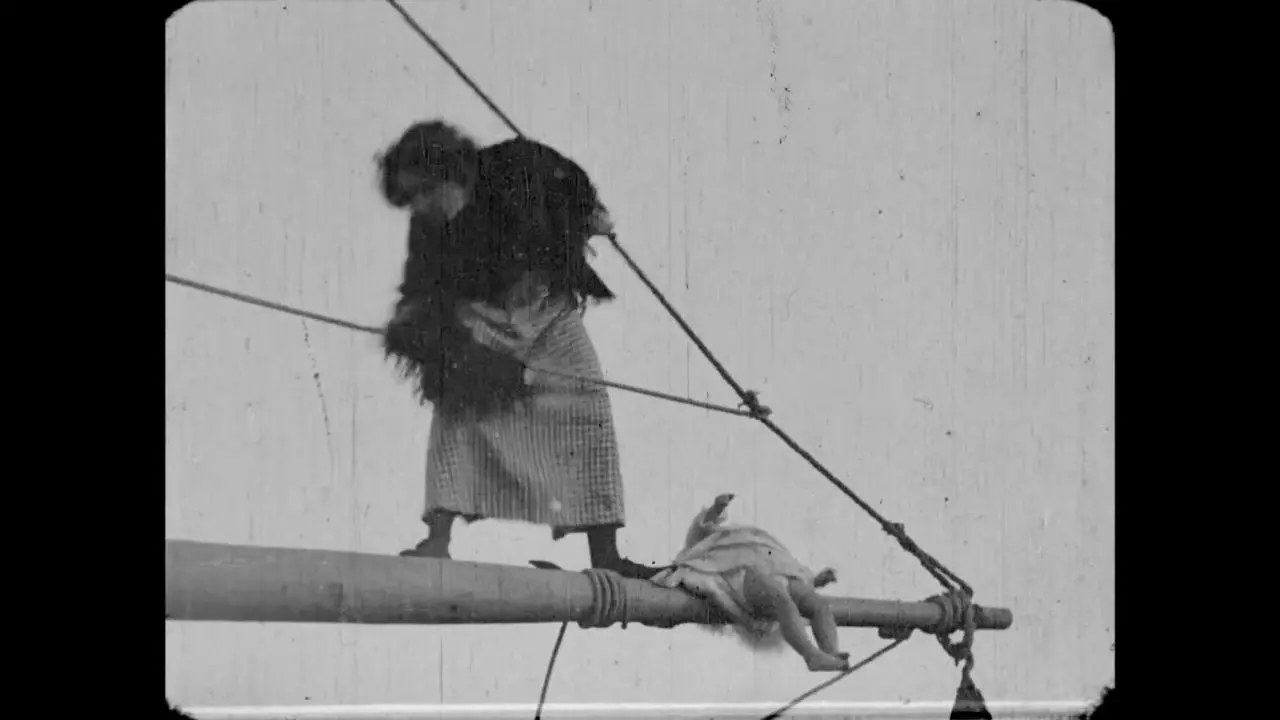
Technically, the film benefits from its era’s experimental approaches to narrative structure. The use of intertitles is sparse yet evocative, their poetic phrasing (“The past is a ghost that walks with you”) elevating the dialogue beyond mere exposition. The score, though lost to time, is said to have featured a leitmotif for Galaor’s theme—a haunting, minor-key melody that mirrors the protagonist’s inner turmoil. This aural absence is a reminder of the fragility of early cinema, yet the film’s visual language compensates with a richness that feels timeless.
In comparing Le ultime Avventure di Galaor to Married in Haste, one notices a shared preoccupation with marital coercion, though the latter’s focus on social scandal is more overtly satirical. Le ultime Avventure di Galaor, by contrast, is a darker, more introspective work, its themes of honor and betrayal resonating with the same intensity as Who’s Your Neighbor?’s exploration of class divides.
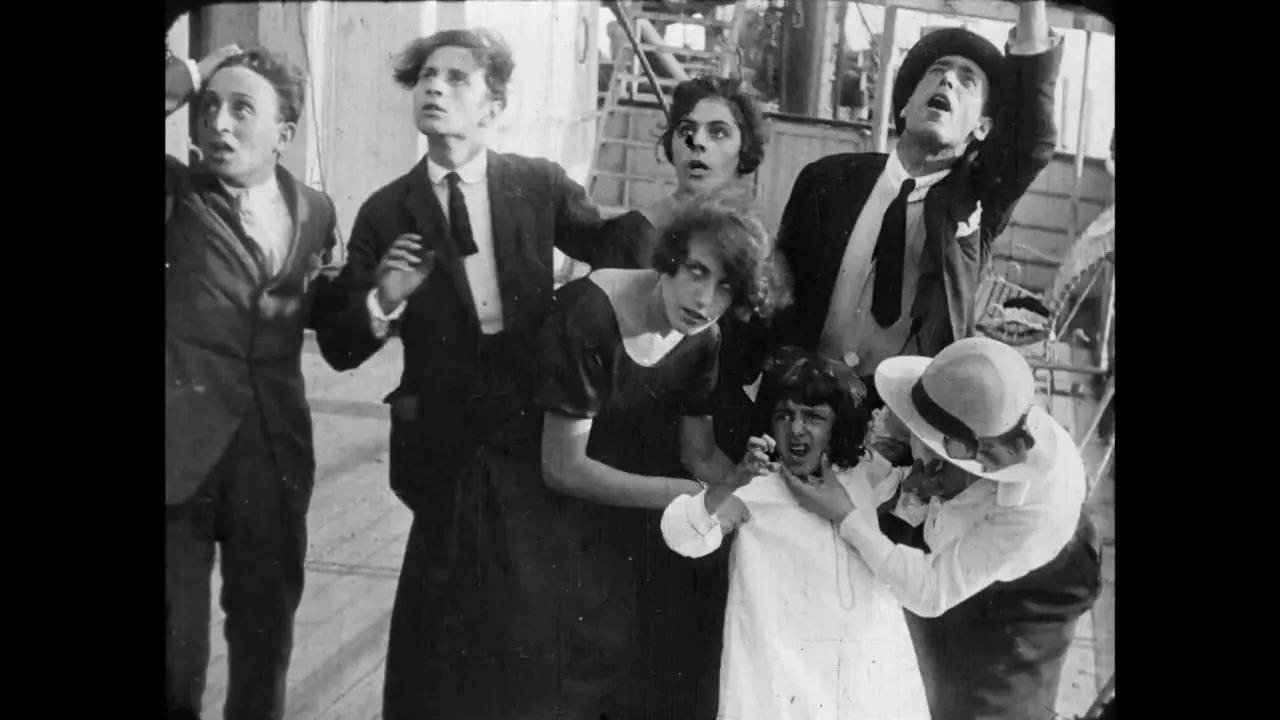
The film’s legacy lies in its ability to balance grandiose spectacle with intimate human drama. It is a work that defies easy categorization, straddling the line between art film and mass entertainment. For modern audiences, it offers a window into the cultural anxieties of its time—a world where industrial progress and personal virtue are at odds, where love and duty are often mutually exclusive.
Ultimately, Le ultime Avventure di Galaor endures not merely as a relic of silent cinema but as a testament to the enduring power of storytelling. Its flaws—occasional pacing lulls, a reliance on melodramatic tropes—are eclipsed by its emotional resonance and visual ingenuity. It is a film that demands to be seen, studied, and revisited, a bridge between the theatrical traditions of Europe and the emerging language of cinema.
"The past is a ghost that walks with you. Whether you welcome it or flee from it, it shapes the path ahead."

IMDb 7.1
1926
Community
Log in to comment.