DbcultAccessing Vault...
Cult Review
Senior Film Conservator
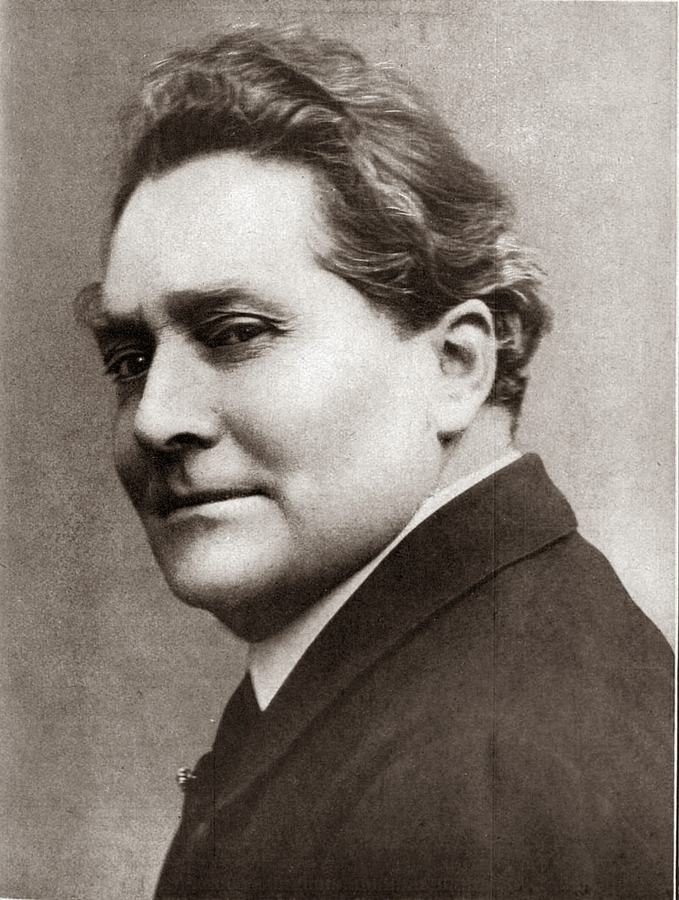
Krauss and Méré do not merely adapt Charles Méré’s stage text; they exhume it, strip it to nerve and bone, then re-inflate the carcass with the spectral breath of cinema. What lands on the screen is not a tale but a contagion—an asymptotic ache that never quite reaches catharsis, and that refusal to comfort is where Les trois masques stakes its immortality.
The Chromatic Psychology of Feud
Notice the palette: the Adriatic cerulean that bathes Lucia in the opening baptism scene is the same pigment that will later flood her bedchamber when the pregnancy is exposed, only now it’s contaminated with iodine shadows—an aqueous forecast of societal shame. Cinematographer Paul Castanier allegedly hand-tinted every third frame, so blood appears less red than oxidized vermilion, as though generations had already sucked it dry.
Mask as both Object and Ontology
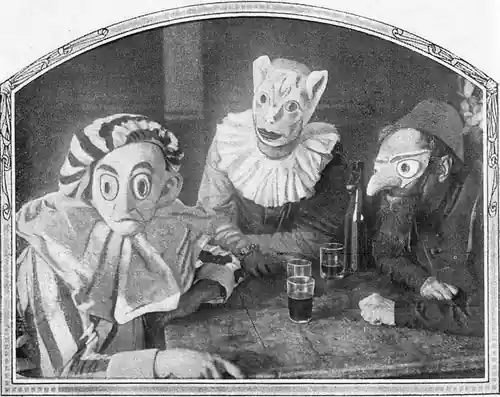
Three masks, three orders of mendacity: the bridal visor of contractual innocence, the funerary larva of family pride, the leering bauta of public gossip. Each is cracked on-camera—never off-screen—so that breakage becomes a visual syllable in a sentence spoken by the edit itself. When Lucia presses the splintered porcelain to her cheek, the shard reflects her eye, splitting iris into twin moons: motherhood and exile, sharing one orbit.
Performances that Outrun Intertitles
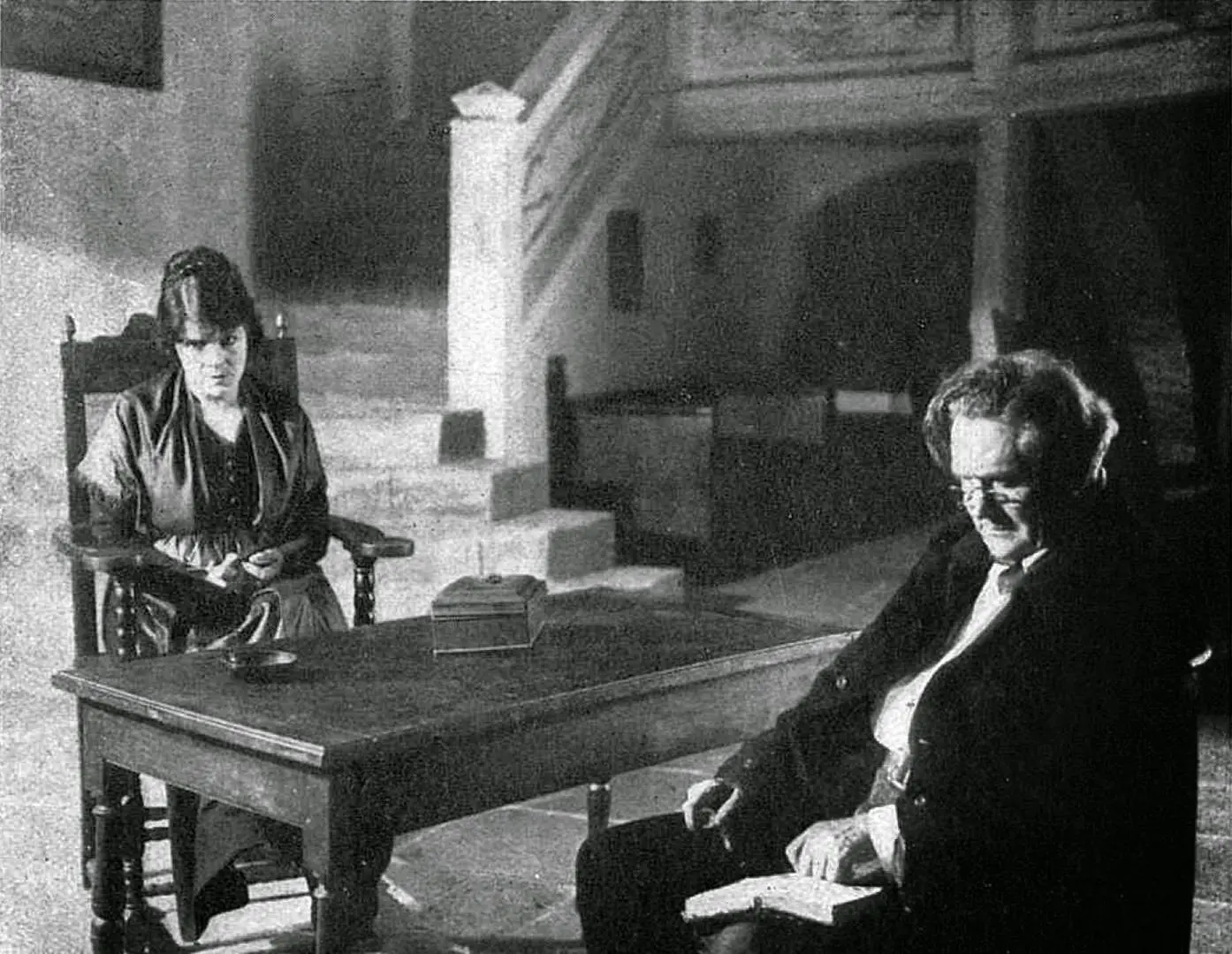
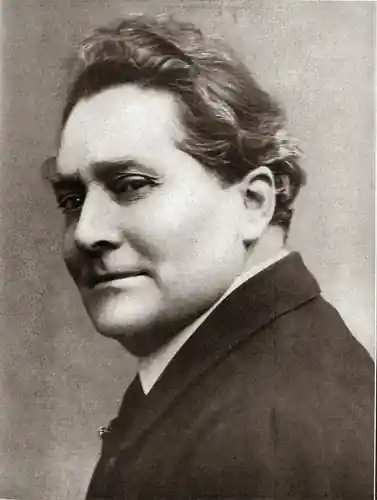
Georges Wague, pantomime legend of the Théâtre du Chat Noir, plays the elder patriarch without a single subtitle of back-story; instead, the tremor in his left thumb—repeated in six separate scenes—communicates the moment his lineage’s continuity snaps. Charlotte Barbier-Krauss, tasked with the thankless role of la mère, weaponizes stillness: her shoulders never move above the clavicle, so when the final revelation topples her, the descent feels tectonic.
Rhythms of Silence, or How Absence Scores
There is no surviving original score; archives list only "musique suggestive à l’interprétation locale."
Contemporary screenings sometimes bolt on Debussy or Satie, but the true accompaniment is the projector’s own gasp—the sprocket-hole chatter that mimics a heart murmur. Try watching it in an auditorium where the ventilation has been muted; the lack of white noise turns every rustle of your coat into a moral judgment.
Comparative Vertigo: Where It Sits Among 1921’s Treasures
Place it beside Victory’s tropical nihilism or Diplomacy’s drawing-room fireworks and you’ll see how Les trois masques opts for claustrophobia rather than spectacle. Its DNA shares more with An Alabaster Box’s Puritan repression, yet surpasses that film’s moral absolutes by refusing to punish sin with divine thunder. Even Lolita’s later nymphet tragedy feels coarse once you’ve absorbed Krauss’s chiaroscuro of culpability.
The Unspeakable Politics of the Womb
Italy, 1921: Gabriele D’Annunzio had just declared Fiume a regency, Mussolini was stitching blackshirts. Against that backdrop, a film that foregrounds an unwed pregnancy feels like a stick of dynamite wrapped in lace. Censors demanded the intertitle "Le colpe delle madri ricadranno sui figli" be excised; Krauss simply replaced it with a 12-second close-up of Lucia’s abdomen, breathing beneath whalebone stays. No regulator could pixelate that.
Architectural Mis-en-abyme
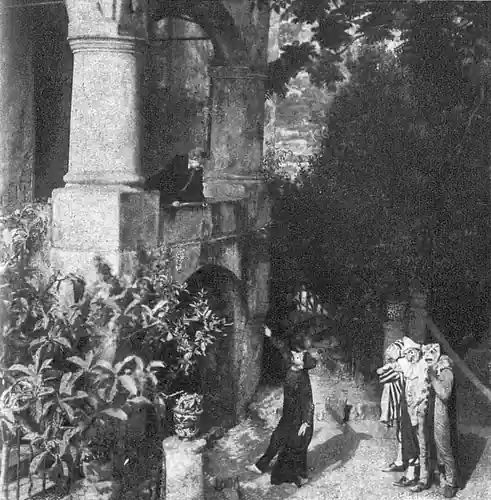
Shot on location in Chioggia, the film weaponizes labyrinthine calli: alley walls converge like closing parentheses around the lovers, while the 14th-century campanile looms in deep background, its shadow a sundial counting down to social ruin. Production designer Ugo Cottafavi allegedly scraped lichen off stones to reveal older bricks—history palimpsested upon history, paralleling the unspoken genealogical rot.
Time That Doesn’t Heal, Only Fossilizes
Most silent dramas hinge on a recognition scene—an embrace, a death, a curtain. Here the climax withholds even that melodramatic satisfaction. Andrea rows into fog; Lucia remains on the pier, belly curved like a question mark. Cut to black. Not the rhetorical black of closure, but the absorptive black of a pit. The End title card appears half a second later than expected, just enough to let doubt fester.
Restoration and the Ethics of Digital Skin
A 4K restoration premiered at Il Cinema Ritrovato in 2019. The lab removed fungal blemishes but left emulsion scratches that resemble lightning—an ethical choice to keep trauma visible. When screened on DCP, the digital sheen sometimes flattens the grayscale; insist on 35 mm if your festival offers it. The scratches are not noise—they’re witnesses.
How to Watch It Alone Without Imploding
1) Choose a room you can darken completely—any leak of streetlamp will adulterate the chiaroscuro.
2) Pair with a Ligurian white wine, something saline, not fruity; the salt will echo the Adriatic hush.
3) Pause only once, at the 43-minute mark, when Lucia lifts her veil. Go outside, breathe until your pulse matches the 18 fps rhythm. Then return.
Great art doesn’t preach; it infects. Three days after my last rewatch I caught myself scrutinizing strangers on the metro, wondering what masks clung to their faces—marital, filial, civic. Krauss’s film had colonized my optic nerve. That is the measure of Les trois masques: it doesn’t end when the lights come up; it merely changes screens.
For further context, contrast with The Envoy Extraordinary’s baroque swagger or Escaped from Siberia’s frost-bitten existentialism—both tread similar moral ice, yet neither drowns the viewer in such mute, salt-water guilt.
IMDb 2.1
1917
Community
Log in to comment.