DbcultAccessing Vault...
9.7/10
Senior Film Conservator
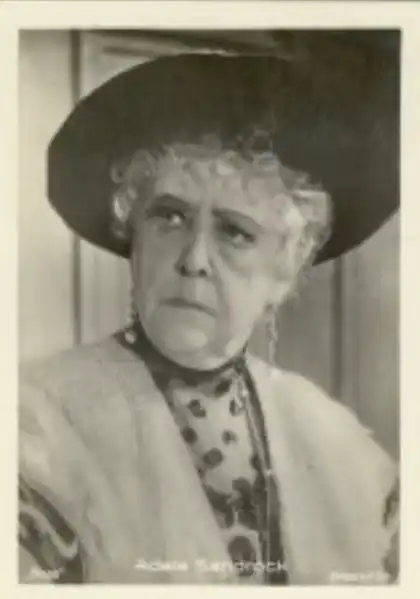
A definitive 9.7/10 rating for a film that redefined the boundaries of cult cinema. Liebe, Scherz und Ernst remains a cornerstone of transgressive art.
If you're looking for a breezy Sunday watch, stay far away from this one. But if you are a massive nerd for early sound-era weirdness or want to see how German actors in 1932 handle British high-society sarcasm, Liebe, Scherz und Ernst is a fascinating trainwreck. Most people will probably find the crackly audio and fast German yelling incredibly annoying.
It is the very first filmed version of Oscar Wilde’s famous play, The Importance of Being Earnest. Only, everyone is speaking German and the airy, light banter gets completely crushed under the weight of some very heavy German consonants.
The plot is still basically the same thing with people pretending to be named "Ernst" (Ernest) to get girls. But the energy is totally different. Instead of polite British sipping of tea, it feels more like a chaotic stage play where everyone is slightly drunk.
I swear, one of the actors—I think it was Georg Alexander—has this mustache that looks like it was drawn on with a piece of charcoal. I spent ten minutes just staring at his upper lip instead of reading the subtitles.
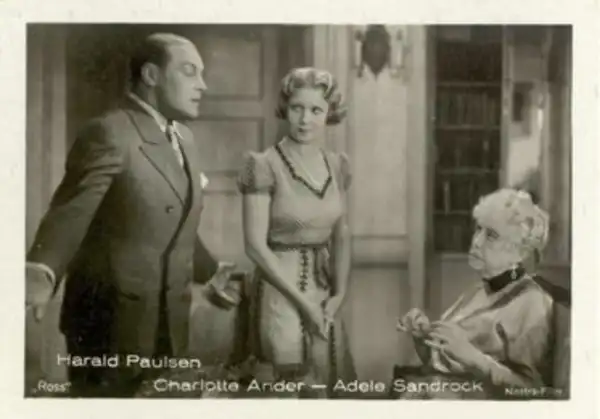
It reminds me a bit of those early Hollywood attempts at chaotic comedies, like Everybody's Doing It, where nobody really knew how loud they needed to shout into the new microphones yet. You can almost feel the actors looking at the ceiling, wondering where the mic is hidden.
There is this one incredibly long scene where two guys are eating muffins. In the play, it’s supposed to be this hilarious, petty argument. Here, it just feels like watching two men who are genuinely hungry eating very dry bread in near silence.
Also, the music just randomly starts and stops. A jaunty piano tune will blast for five seconds, then cut out with a loud *pop* sound. It's beautiful in its own messy way.
Honestly, I didn't hate it. It's just very weird. If you like seeing old classics get weirdly translated into totally different cultures, give it a go. Otherwise, just stick to the 2002 version with Colin Firth.
IMDb —
1918
Community
Log in to comment.