DbcultAccessing Vault...
Cult Review
Senior Film Conservator
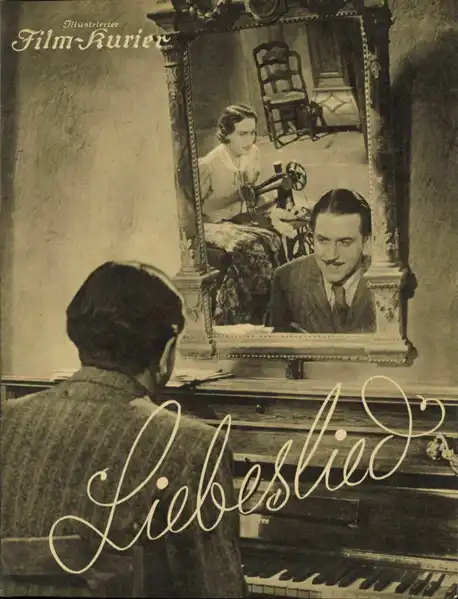
If you have a thing for black-and-white musical dramas from the mid-30s, you will probably dig Liebeslied. It is not exactly high art, but it has that specific, dusty charm that keeps you watching even when the plot starts to drag. If you hate slow-burn romances or get annoyed by stage-bound performances, just skip it. It is not trying to be the next The Heart of Texas, and that is fine by me.
The whole thing feels like a stage play that got lost on its way to a movie set. The tenor—Josef Reithofer—walks into this honky-tonk, and for a second, you think he’s just going to be a jerk. He’s too polished for the place. But then he starts singing, and the movie pivots into this weirdly sincere romance that feels like it belongs in a different, much lighter flick.
The chemistry between the leads is… well, it is polite. That is the best way to put it. It feels like they are acting through a glass wall. Maybe it’s just the era. You don’t get that raw, messy energy you see in something like Women Men Marry. Everything is very controlled, very rehearsed.
I found myself zoning out during the dialogue scenes and just waiting for the next song. The music is actually pretty decent if you like that operatic style. It’s loud, it’s dramatic, and it fills the room much better than the script does. There is a strange comfort in how predictable it all is. You know exactly when the tenor is going to win the girl, and you know exactly how the 'humble performer' is going to react.
It’s not a masterpiece. It’s just a movie that exists in a very specific pocket of time. Sometimes that’s enough. 🎶
Year
1935
IMDb Rating
—

Editorial
Deciphering the legacy of transgressive cult cinema.
Community
Log in to comment.