DbcultAccessing Vault...
Cult Review
Senior Film Conservator
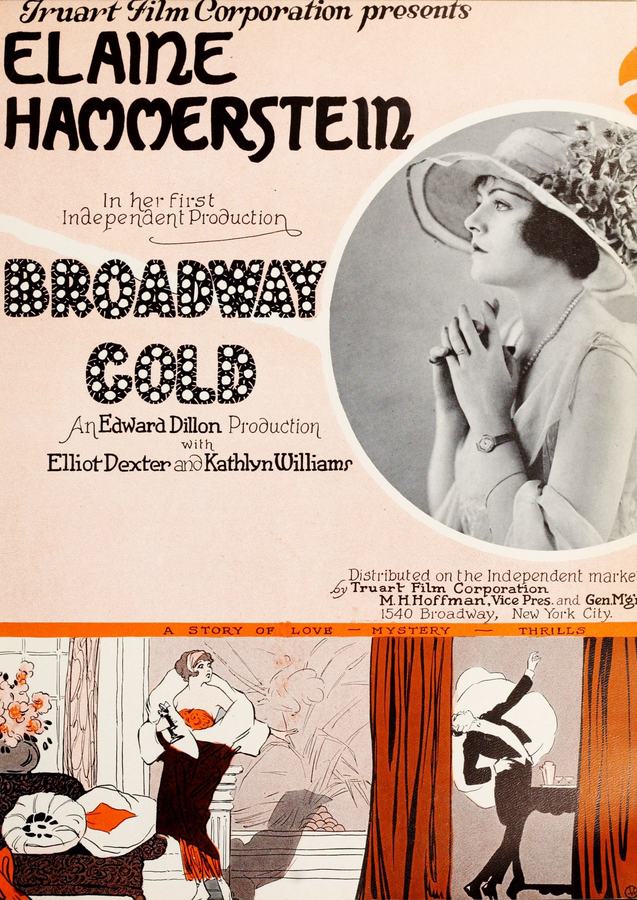
Lila Hartley, a chorus girl whose voice could melt the hardest of hearts, steps onto the stage of Broadway Gold not merely as a performer, but as a pawn in a game of wealth and mortality. The opening sequence, drenched in chiaroscuro lighting, establishes a visual metaphor: the bright footlights of the theater juxtaposed against the looming shadows of Manhattan's elite.
When Lila accepts Charles Whitmore's invitation, the audience is led through a sumptuous dining room where crystal glasses clink and laughter echoes. Yet, beneath the clamor, an undercurrent of menace simmers. The sudden discovery of Whitmore's lifeless body, sprawled across a Persian rug, is captured with a deft camera pan that never quite settles, mirroring the police's relentless pursuit of truth.
Marshall Neilan, portraying the tormented detective Inspector Mallory, delivers a performance that oscillates between steely determination and weary cynicism. His eyes, perpetually narrowed, convey a world-weariness that feels eerily modern.
Enter Sir Reginald Pembroke, played with dignified frailty by Richard Wayne. The script positions him as a dying aristocrat whose impending death becomes a bargaining chip. Lila's decision to wed him is less a romantic capitulation and more a strategic maneuver, a theme explored with unsettling clarity throughout the film.
The chemistry between Kathlyn Williams (Lila) and Wayne is palpable, each lingering glance charged with unspoken desperation. Their dialogues, though sparse, are laced with subtext, allowing the audience to infer motives without overt exposition.
Director W. Carey Wonderly employs a palette of muted grays punctuated by the occasional flash of gold—a visual cue that underscores the film's title and the fleeting nature of wealth. The use of deep focus shots in the ballroom scenes invites viewers to observe the intricate choreography of power plays, while close-ups on Lila's trembling hands reveal her internal conflict.
Harold Goodwin's cinematography shines during the nocturnal chase sequences. The camera glides through rain-slicked alleys, the wet pavement reflecting the sea‑blue hue of street lamps (#0E7490), creating an atmospheric tension that feels both claustrophobic and expansive.
Henry A. Barrows embodies the sleazy lawyer Jasper Finch, whose silver‑tongued promises mask a predatory appetite for Lila's newfound fortune. Elliott Dexter, as the enigmatic club owner Victor LaRue, offers a foil to the detective, representing the morally ambiguous underbelly of the city.
Elaine Hammerstein's cameo as a rival chorus girl adds a layer of professional jealousy, echoing the thematic rivalry seen in The Locked Heart. This intertextual nod enriches the viewing experience for aficionados of silent-era melodrama.
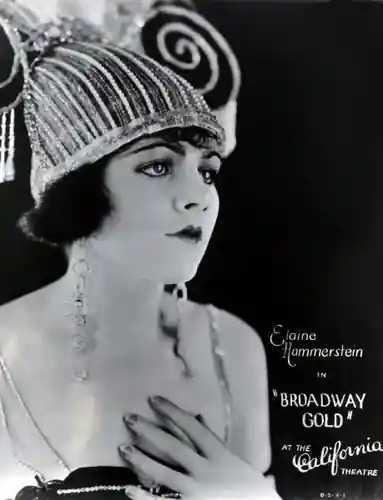
Beyond its surface plot, Broadway Gold interrogates the commodification of femininity in the Roaring Twenties. Lila's journey from a stage performer to a strategic spouse mirrors the broader societal shift where women began to navigate agency within patriarchal structures.
Comparatively, the film shares narrative DNA with Beyond the Rainbow, particularly in its portrayal of a heroine forced to barter love for security. Yet, Wonderly's direction leans more heavily into noirish sensibilities, foreshadowing the aesthetic of later classics like The Lightning Raider.
Without spoken dialogue, the film relies on expressive intertitles and nuanced body language. Kathlyn Williams' performance is a masterclass in silent acting; a single raised eyebrow can shift a scene from suspicion to seduction.
The musical accompaniment, though not part of the film itself, historically featured a ragtime piano that underscored the tension between the opulent and the ominous, a practice reminiscent of the score for Fools and Fires.
Upon its 1925 release, critics praised the film's daring narrative and the chemistry between its leads. Modern scholars, however, note that the film's treatment of class dynamics feels both progressive and constrained by its era's moral codes.
In contemporary retrospectives, Broadway Gold is frequently cited alongside Jess of the Mountain Country as a benchmark for silent dramas that successfully blend intrigue with social commentary.
For cinephiles seeking a window into the silent era's narrative ambition, this film offers a richly textured experience. Its exploration of moral ambiguity, paired with stellar performances and inventive visual storytelling, renders it a timeless piece worthy of scholarly attention and casual enjoyment alike.
In an age where streaming platforms revive forgotten gems, Broadway Gold stands out as a testament to the era's capacity for sophisticated drama without a single spoken word.
Ultimately, Broadway Gold is more than a murder mystery; it is a study in survival, identity, and the relentless pursuit of agency within a gilded cage. Its layered performances, meticulous set design, and thematic depth ensure it remains a compelling artifact of cinematic history.
IMDb —
1917
Community
Log in to comment.