DbcultAccessing Vault...
6.7/10
Senior Film Conservator
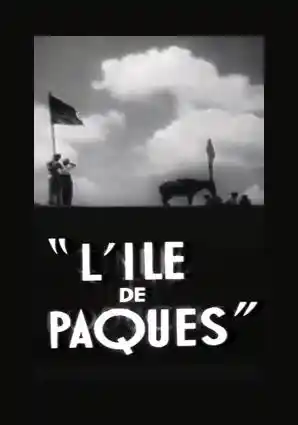
A definitive 6.7/10 rating for a film that redefined the boundaries of cult cinema. L'île de Pâques remains a cornerstone of transgressive art.
If you have twenty-six minutes to spare and love dusty old footage of giant stone heads, L'île de Pâques is absolutely worth your time today. But if you want a polished history lesson with CGI maps and loud narrators, you will probably hate this. 🗿
It is a French-Belgian expedition diary from 1934, and it feels exactly like that.
There is no grand, dramatic plot here, unlike the silent stories you get in The Cold Homestead.
Instead, we just watch scientists in baggy trousers walking around Easter Island, looking very serious and holding measuring tapes.
The main reason this thin little movie works at all is the music by Maurice Jaubert.
It is not your typical boring documentary horn-tooting from the thirties.
The soundtrack has this strange, slightly creepy woodwind vibe that makes the giant statues look like sleeping monsters.
Honestly, the music does about 90% of the heavy lifting here.
The camera just sort of pans across the grass and then—bam—there is a giant nose sticking out of the dirt.
Some of the shots of the Moai are taken from really low angles, which makes them look even more massive and lonely.
But then the film suddenly remembers it is supposed to be scientific.
We get these slightly awkward scenes of the local Rapa Nui people posing for the camera.
You can tell they were told to "act natural" while some French guy with a clipboard watched them from behind the lens.
It has that weird colonial vibe where the filmmakers are fascinated but also totally detached from the actual people living there.
It is definitely not as wild or goofy as something like Wild and Western, but it has its own quiet madness.
The writer, Henry Lavacher, seemed mostly interested in cataloging everything before it disappeared forever.
There is a shot of a guy carving wood that goes on for a bit too long.
You can almost hear the hand-cranked camera grinding in the background while the wind blows the grass around.
Still, there is a lovely, grainy texture to the whole thing that you cannot fake with digital filters.
It makes you feel like you are looking through a dirty window into a world that was already half-gone.
It is a bit disjointed, sort of like the loose narrative flow of The Drifter.
But at under half an hour, it does not overstay its welcome. Just turn the lights down and let the weird flute music creep you out a little. 🌴

IMDb —
1934
Community
Log in to comment.