DbcultAccessing Vault...
Cult Review
Senior Film Conservator
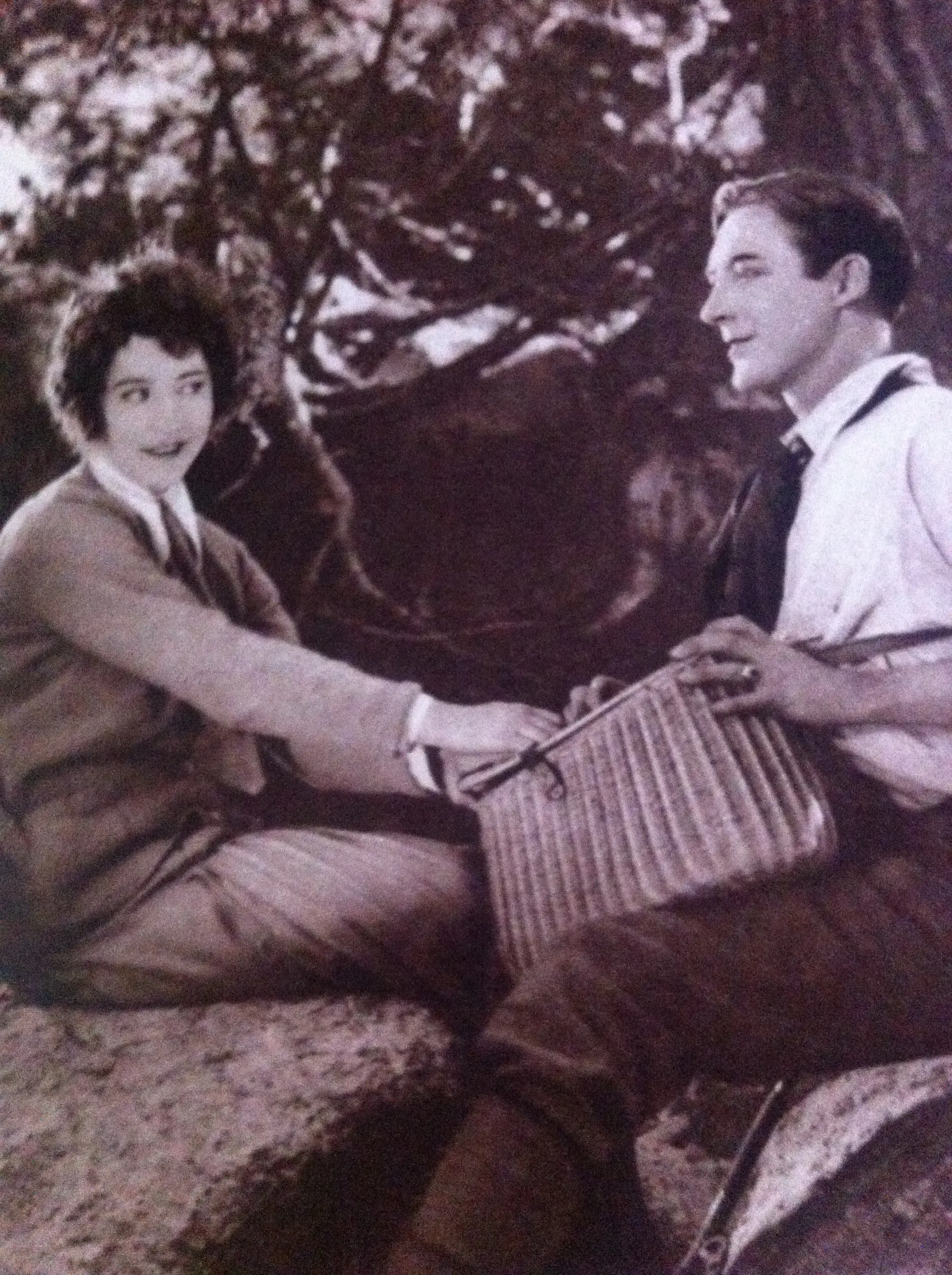
Short answer: yes, but with significant caveats that demand a particular viewing mindset. Locked Doors is absolutely worth watching today for serious film historians, silent era enthusiasts, and those curious about the roots of the psychological thriller, but it is emphatically not for the casual viewer expecting modern pacing or dialogue-driven narrative.
This 1925 production, penned by Clara Beranger and featuring a cast led by Betty Compson, offers a fascinating glimpse into the nascent stages of a genre that would later flourish. It grapples with themes of past sins, protective instincts, and the relentless pursuit of justice (or injustice), all rendered through the expressive, often melodramatic, language of silent cinema.
While its conventions might feel antiquated to some, its core emotional thrust and narrative ingenuity remain surprisingly potent. The film stands as a testament to the power of visual storytelling and the era's ability to craft compelling drama without a single spoken word.
At its heart, Locked Doors is a masterclass in the slow burn of psychological torment, even if the 'burn' itself is often ignited by broad strokes typical of the silent era. The plot, deceptively simple on paper – a wife protecting her sister-in-law from a blackmailer and subsequently being charged with murder – unfolds with a calculated precision that belies its age.
Clara Beranger’s screenplay, devoid of spoken dialogue, relies heavily on visual cues and the dramatic weight of intertitles to convey the protagonist’s internal struggle. The 'sordid past' isn't merely a plot device; it's a character in itself, lurking in the shadows, threatening to dismantle a life meticulously rebuilt.
The film excels in establishing the immediate threat. The very first appearance of the blackmailer, presumably portrayed with sinister relish by Harry Stubbs, isn't just a physical intrusion; it's a psychological assault on the wife's carefully constructed peace. We understand, through Betty Compson’s palpable distress, that this isn't merely about money, but about the very fabric of her identity and reputation.
What makes this narrative particularly compelling is the protagonist's moral tightrope walk. Her actions are driven by an admirable, albeit desperate, desire to shield her sister-in-law (Kathlyn Williams) from a scandal that would ruin her. This altruism, however, forces her into increasingly compromising positions, blurring the lines between protector and perpetrator.
The escalation from blackmail to murder accusation is handled with a certain inevitability that speaks to the tragic nature of her predicament. The audience is invited to witness her descent, understanding her motivations even as the legal system closes in. This narrative structure, while common in later noir, feels remarkably fresh and impactful in this early iteration.
One particularly effective narrative choice is the way the film implies the weight of societal judgment. There are no long speeches about reputation, but the very act of blackmail, and the subsequent murder charge, carries an unspoken dread of public shame that would have resonated deeply with audiences of the time. This subtext adds layers to the protagonist's desperation.
Where the plot occasionally falters, however, is in its reliance on certain silent film tropes that can feel a little too convenient. The sudden appearance or disappearance of key evidence, or the dramatic timing of a revelation, sometimes strains modern credulity. Yet, these moments are often quickly overshadowed by the sheer emotional force of Compson’s performance.
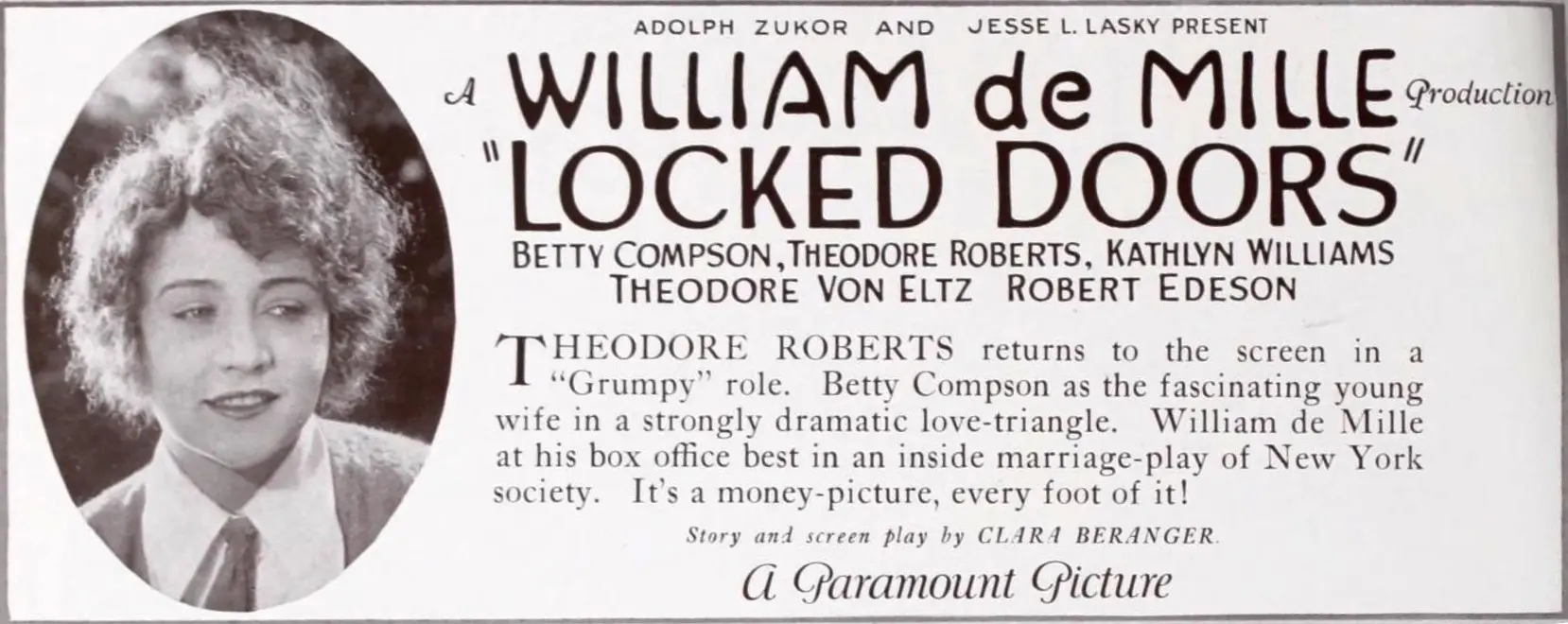
The ultimate twist, leading to the murder charge, is less a 'whodunit' and more a 'how will she escape it,' shifting the focus from detection to the profound personal struggle for vindication. This makes Locked Doors less a crime procedural and more a harrowing character study, an approach that still feels relevant today.
The performances in Locked Doors are, by necessity, a masterclass in non-verbal communication. Silent film acting demands a unique blend of exaggerated gesture, expressive facial work, and a profound understanding of how to convey complex emotions without the aid of dialogue. The cast, particularly Betty Compson, rises to this challenge with commendable skill.
Betty Compson, as the beleaguered wife, carries the emotional weight of the film on her shoulders. Her portrayal is a whirlwind of fear, resolve, desperation, and maternal protectiveness. We see her character’s internal conflict played out across her face – the subtle tremor of a lip, the widening of eyes in terror, the hardening of her jaw in defiance. While some of her expressions might strike modern viewers as overly dramatic, they were the very language of emotional sincerity in the 1920s.
Consider a scene where the blackmailer first confronts her. Compson doesn't just react; she visibly shrinks, her hands instinctively flying to her chest, her eyes darting like a trapped bird. This isn't just acting; it's a physical embodiment of psychological distress, immediately communicating the gravity of her past and the threat to her present.
Harry Stubbs, likely in the role of the blackmailer, provides an essential counterpoint. His performance, even if limited to a few menacing glares or a sneering posture, needs to project a palpable sense of threat. The success of the film hinges on the audience believing in the danger he represents. Stubbs, with his often imposing physicality in other roles, would have brought a chilling presence, making his character a truly formidable antagonist.
The supporting cast, including Kathlyn Williams as the sister-in-law and Theodore Roberts in what could be a judicial or legal role, fulfill their parts with the necessary conviction. Williams’s vulnerability would have been key to justifying the protagonist's extreme actions, while Roberts’s gravitas would lend authority to the legal proceedings.
However, it's worth noting that silent film acting, by its very nature, tends towards archetypes. Nuance, as we understand it in contemporary cinema, is often sacrificed for clarity of emotion and narrative progression. This isn't a flaw, but a characteristic of the medium. The performances are designed to be read quickly and decisively, conveying the plot points and emotional beats without ambiguity.
My one debatable opinion here is that while Compson's intensity is undeniable, there are moments where a modern director might have pushed for a more internalized struggle. The externalization of every emotion, while effective for a silent audience, occasionally borders on the theatrical, momentarily pulling a contemporary viewer out of the immersive experience. Nevertheless, her commitment to the role is beyond reproach, and she grounds the film in a compelling human drama.
The director of Locked Doors, working within the technological constraints and artistic conventions of the 1920s, demonstrates a keen understanding of visual storytelling to build suspense. Without dialogue, the camera becomes the primary narrator, and every frame must convey information, emotion, or impending dread.
Cinematography plays a crucial role in establishing the film's tone. Expect heavy use of chiaroscuro lighting, where deep shadows and stark contrasts are employed to create an atmosphere of mystery and danger. A scene where the blackmailer is lurking, perhaps in a dimly lit hallway or outside a window, would leverage these techniques to great effect, obscuring his face partially to enhance his menacing aura and the protagonist's fear.
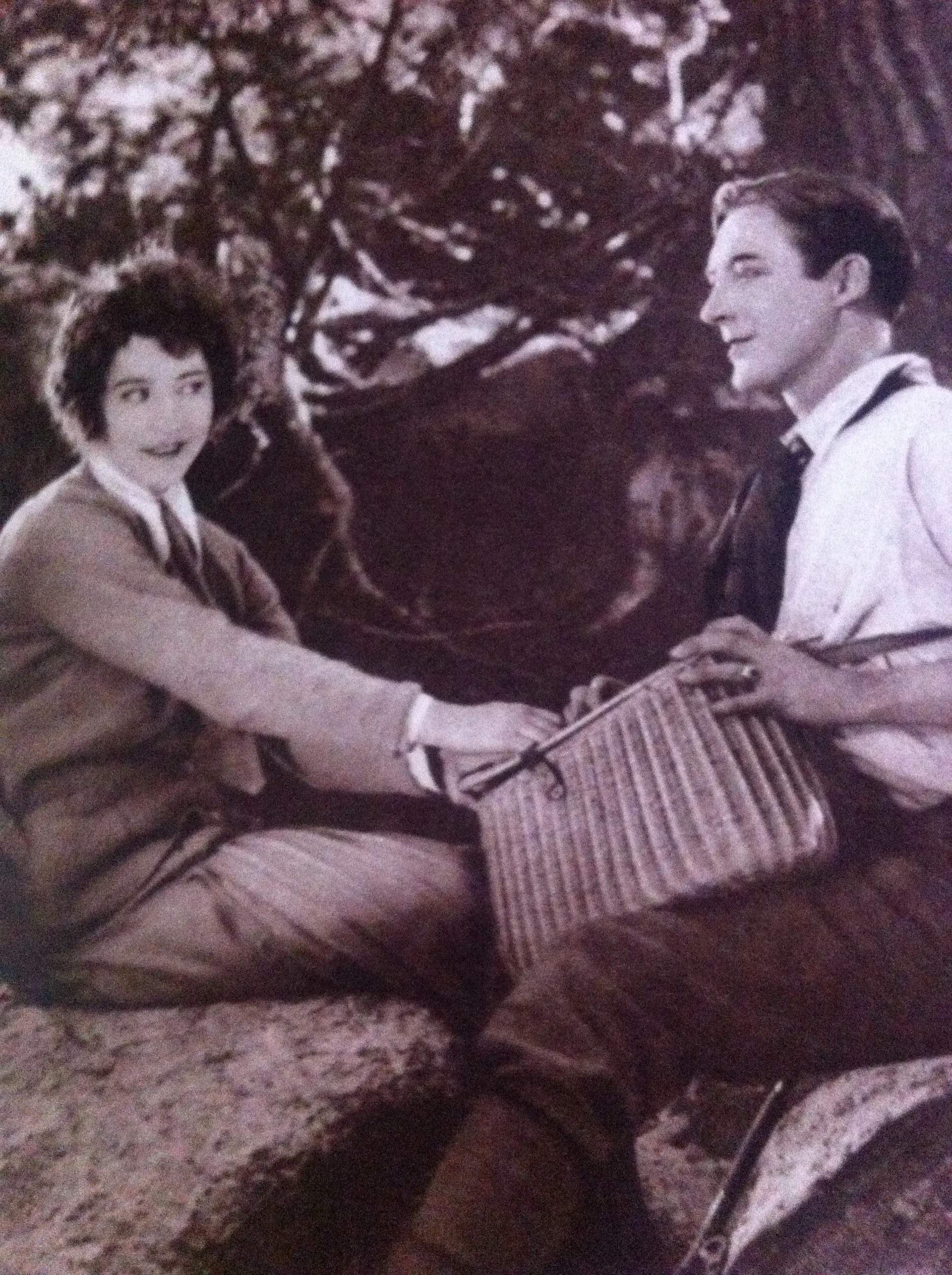
The use of close-ups would have been instrumental in conveying the raw emotion of the characters. A tight shot on Compson’s face as she receives a threatening note, her eyes widening in horror, or a close-up on a trembling hand as she holds a potential weapon, would magnify the emotional impact and draw the audience directly into her psychological state. This is a fundamental technique of silent cinema, and its effectiveness here is paramount.
Pacing, dictated by editing, would also contribute significantly to the suspense. The director would likely employ cross-cutting during moments of heightened tension, perhaps interspersing shots of the blackmailer's movements with the protagonist's desperate attempts to intervene. This creates a sense of urgency and impending doom, typical of early thrillers.
Consider the courtroom scenes, which are a hallmark of legal dramas. The director would employ dynamic camera angles, perhaps low shots to emphasize the power of the judge (Theodore Roberts) or high angles to show the protagonist's isolation. The reactions of the jury and the gallery, conveyed through rapid cuts, would amplify the pressure on the accused.
One particular strength of silent film direction, often overlooked, is its reliance on symbolic imagery. The 'locked doors' of the title might not just refer to physical barriers, but to the protagonist's inability to escape her past, or the secrets she keeps locked within herself. The director would likely use visual metaphors – perhaps a shadow growing longer, or a bird trapped in a cage – to subtly reinforce these themes.
While the film's visual grammar might not possess the sophisticated fluidity of later eras, its deliberate and often striking compositions are a testament to the ingenuity of early filmmakers. They understood how to tell a story purely through light, shadow, movement, and the human face, and Locked Doors is a prime example of this craft.
The pacing of Locked Doors is characteristic of its era, often starting with a measured build-up before accelerating into a relentless, almost breathless, descent into crisis. The film doesn't waste time establishing its central conflict, but it allows the initial threat to simmer, letting the audience feel the weight of the protagonist's predicament before throwing her into the legal maelstrom.
The tone is overwhelmingly one of suspense and dread, tinged with a palpable sense of injustice. From the moment the blackmailer appears, a shadow falls over the narrative that rarely lifts. There are few moments of levity, and any brief respite is quickly shattered by another escalating threat or revelation.
This relentless tone is achieved through several means. The scarcity of dialogue (replaced by intertitles) means there's little opportunity for conversational tangents; every frame, every gesture, is aimed at advancing the central conflict. The editing likely contributes to this, with scenes building in intensity through quicker cuts as the climax approaches.
Consider the sequence leading up to the murder accusation. The film would likely employ a series of short, impactful scenes: the discovery of the body, the arrival of the police, the interrogation, and finally, the formal charge. Each beat would be designed to heighten the stakes and corner the protagonist further, creating a feeling of inescapable doom.
The emotional arc is a downward spiral, mirroring the protagonist's journey from a seemingly stable life to one teetering on the brink of ruin. This consistent tonal approach, while potentially exhausting for modern viewers accustomed to more varied emotional landscapes, is incredibly effective in immersing the audience in her plight.
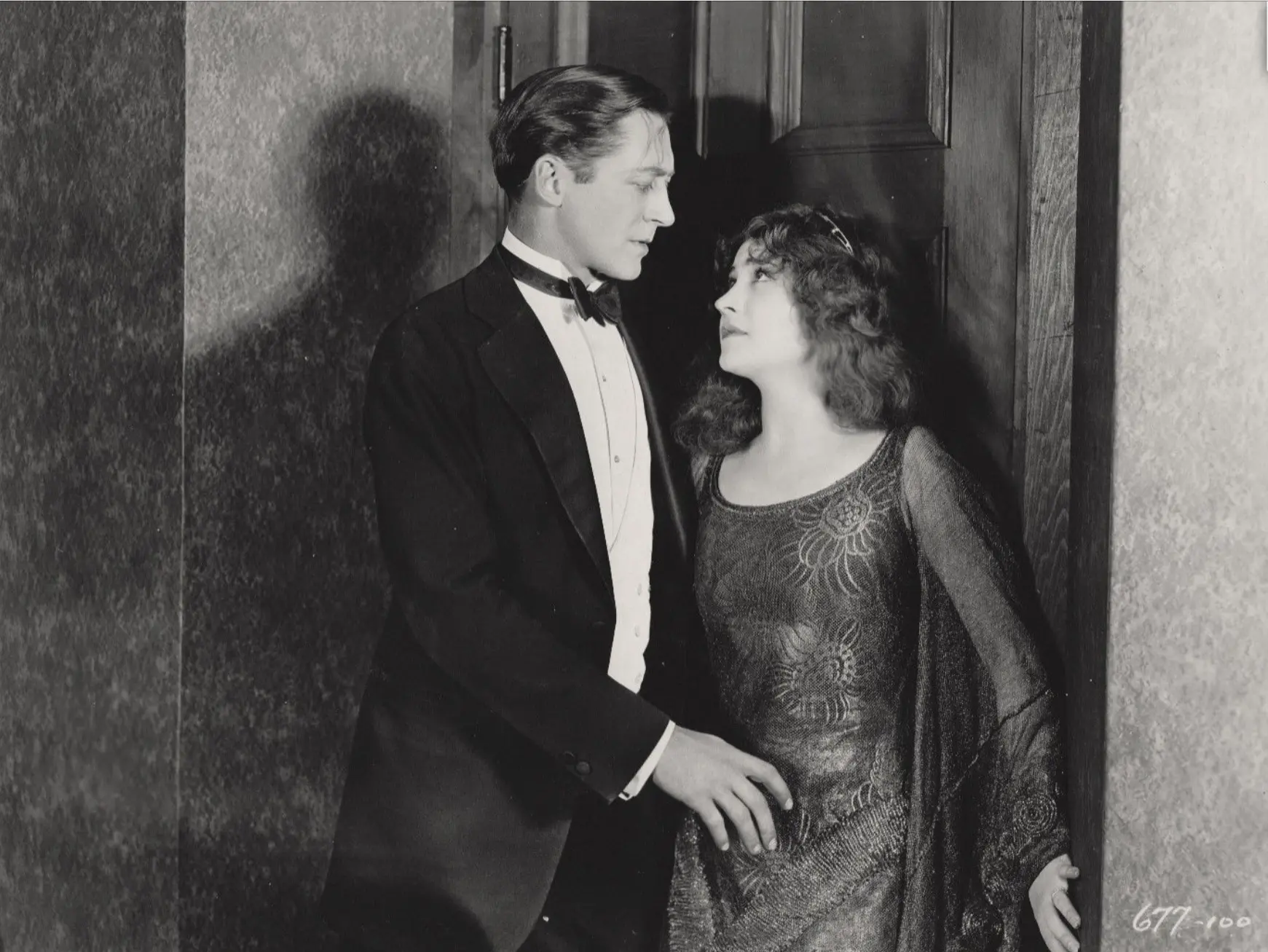
My unconventional observation is that the film's almost singular focus on its protagonist's suffering, without significant subplots or comic relief, inadvertently turns it into an early form of 'endurance cinema.' The audience is meant to endure the ordeal alongside her, fostering a deep, albeit sometimes uncomfortable, empathy.
The sound (or lack thereof) also plays a crucial role in establishing tone. The silence itself, broken only by a live musical accompaniment (if viewed with one), allows the visual drama to speak volumes, amplifying the quiet terror and the thunderous implications of each plot twist. It's a testament to the power of the medium that such a gripping narrative could be conveyed with such sparse sensory input.
Absolutely, Locked Doors is worth watching today, but with the understanding that it is a historical artifact as much as it is an entertainment piece. It offers a unique window into the craftsmanship of early cinema and the evolution of the thriller genre.
For those with an appreciation for silent films, or an academic interest in film history, this is a must-see. It showcases how directors and actors communicated complex narratives and emotions without spoken words, relying instead on visual storytelling, dramatic gesture, and the power of suggestion.
However, for a casual viewer accustomed to modern pacing, dialogue, and sophisticated special effects, the film might feel slow, melodramatic, and visually austere. The conventions of silent acting and the reliance on intertitles can be a barrier to entry for those not prepared to engage with the medium on its own terms.
Yet, beneath these surface-level differences, the core themes of betrayal, reputation, and the fight for innocence remain timeless. The human drama at its core is universally understandable, even if its presentation is from a bygone era. It's a reminder that compelling stories are not bound by technological limitations.
This film works because of its unflinching commitment to its central premise and Betty Compson's powerful, if theatrical, performance, which anchors the entire narrative in genuine human emotion.
This film fails because its pacing, while effective for its time, can feel glacial to modern audiences, and its reliance on broad emotional strokes sometimes sacrifices subtlety for clarity.
You should watch it if you are a cinephile eager to explore the foundational works of the thriller genre, or if you simply enjoy the unique artistry and historical significance of silent cinema.
Beyond its genre contributions, Locked Doors offers a subtle yet potent commentary on the precarious position of women in the 1920s, particularly concerning reputation. The 'sordid past' isn't just a personal failing; it's a social weapon that could destroy a woman's standing, marriage, and future. The film implicitly critiques a society where a woman's worth was so intrinsically tied to her perceived moral purity.
Furthermore, the film's depiction of the legal process, while stylized for dramatic effect, offers a fascinating, if simplified, glimpse into early 20th-century jurisprudence. The rapid pace of arrest and charge, the reliance on circumstantial evidence, and the public spectacle of a trial all speak to a different era of justice, one perhaps less concerned with due process and more with swift resolution.
Finally, there's an interesting meta-narrative at play. The film itself, like its protagonist, is trying to unlock secrets. The audience is constantly trying to piece together the 'sordid past' from fragmented clues, mirroring the protagonist's desperate attempts to keep it hidden. This makes the viewing experience an active, rather than passive, engagement.
Locked Doors is more than just a relic; it's a robust piece of early cinematic storytelling that demonstrates the power of visual drama long before sound took over. While it demands a certain level of engagement and an understanding of its historical context, those who approach it with an open mind will find a surprisingly potent and emotionally resonant thriller. It’s a film that bravely explores the darker corners of human nature and societal judgment, proving that some stories, and some fears, are truly timeless. Highly recommended for the discerning cinephile looking to trace the lineage of modern suspense.

IMDb 5.8
1933
Community
Log in to comment.