DbcultAccessing Vault...
Cult Review
Senior Film Conservator
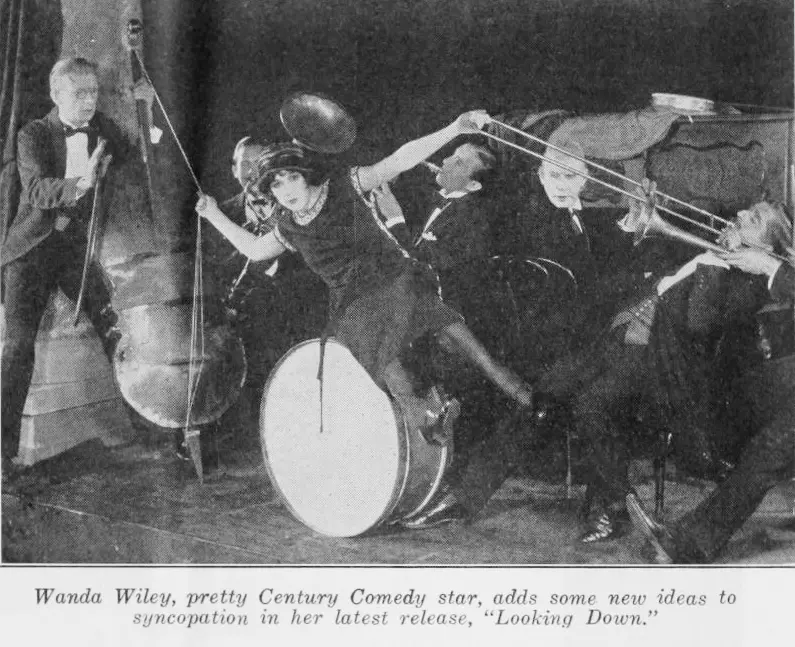
Is "Looking Down" worth watching today? Short answer: absolutely, but with a specific lens. This early silent comedy, a whirlwind of slapstick and improbable coincidences, isn't for everyone. It's a pure distillation of early 20th-century comedic sensibilities, a frantic ballet of pratfalls and mistaken identities that demands an appreciation for the foundational elements of screen humor.
This film is ideally suited for cinephiles, historians of comedy, and anyone curious about the raw, unpolished energy that defined the genre's nascent years. If you're seeking nuanced character development or sophisticated plotting, you might find its relentless pace and simple gags a bit jarring. However, if you're prepared for a joyous, unpretentious ride through the chaotic heart of silent cinema, "Looking Down" delivers.
This film works because it embraces its own absurdity with unbridled enthusiasm. Jess Robbins’ direction ensures a constant, escalating comedic momentum that never lets up, relying heavily on physical gags and the sheer likability of its star, Wanda Wiley. It's a masterclass in how to build a comedic short using simple premises and relentless execution.
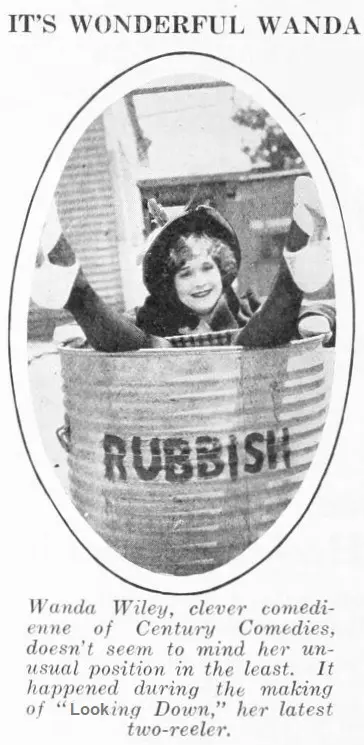
This film fails because its plot, while serving the comedy, is paper-thin and entirely reliant on contrivance. Modern audiences accustomed to intricate narratives might find it frustratingly illogical. It also leans heavily on tropes that, while groundbreaking for their time, can feel repetitive if viewed without historical context.
You should watch it if you appreciate the origins of slapstick, enjoy the unadulterated energy of silent film, or simply want to witness Wanda Wiley's charismatic screen presence. It’s a foundational piece, not a polished gem, but one with undeniable historical and comedic value.
The core of "Looking Down" is its unyielding commitment to escalating chaos. From the opening moments, where Wanda Wiley's character, Wanda, creates a delightful visual pun by appearing to ride in a limousine while actually pedaling her bicycle alongside it, the film establishes its playful disregard for conventional logic. This initial gag, simple yet effective, immediately sets the tone for the whirlwind that follows. Jess Robbins, the writer, clearly understood that the joy of such a short lay not in intricate plotting, but in the sheer momentum of its gags.
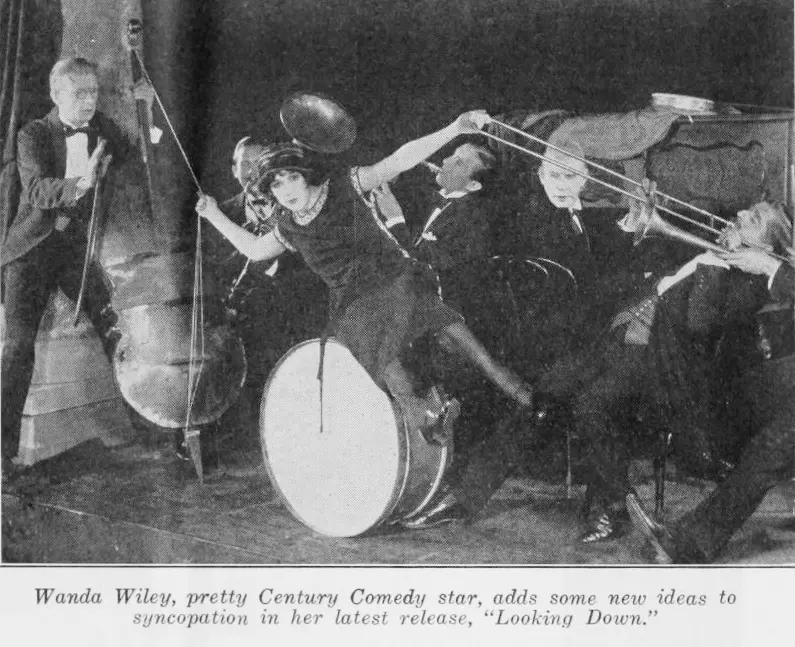
Wanda’s journey from a sidewalk cyclist to an unwitting participant in a city-wide chase is remarkably fluid, despite its inherent illogic. The sequence involving the traffic cop, fire engines, and the subsequent dash through a construction site exemplifies this. It's a beautifully choreographed mess, where every attempt by the cop to halt Wanda only propels her into further, more spectacular predicaments. The moment the cop falls across her handlebars, transforming a pursuit into a bizarre tandem ride, is a highlight. It's a classic silent film trope, but executed with a particular verve that prevents it from feeling stale.
The construction site sequence, where Wanda lands on a beam being raised into the air, and the cop plunges into a plaster vat, is pure, unadulterated slapstick. The "dinner whistle blows" moment, forcing her precarious descent, adds another layer of comedic timing. This isn't just random destruction; it’s a carefully orchestrated series of unfortunate events designed to maximize laughs. The film doesn't pause for breath; it simply piles one ridiculous situation atop another, demonstrating a surprisingly sophisticated understanding of comedic pacing for its era. The transition from one gag to the next is seamless, creating a continuous flow of escalating tension and release.
However, this relentless pace also highlights the film's primary limitation: its narrative thinness. While the gags are inventive, they rarely serve to develop character or advance a meaningful plot. Instead, they exist for their own sake, a series of domino effects designed purely for visual humor. This isn't necessarily a flaw, especially for a short comedy, but it does distinguish it from later, more story-driven comedic works. The plot is less a journey and more a series of explosive pit stops.
The introduction of the "vamp" and the "deep-dyed villain" adds a touch of classic melodrama, but even these archetypes are quickly subsumed into the comedic maelstrom. The villain's accidental starting of the flivver, leading to its spectacular reversal into the cabaret and then the swimming pool, is the kind of grand, destructive finale that silent comedies excelled at. It’s a payoff that feels earned, not through intricate plotting, but through the sheer accumulation of prior mishaps. This final, watery confrontation serves as a perfect capstone to Wanda’s chaotic day, transforming mechanical failure into romantic victory.
At the heart
IMDb —
1919
Community
Log in to comment.