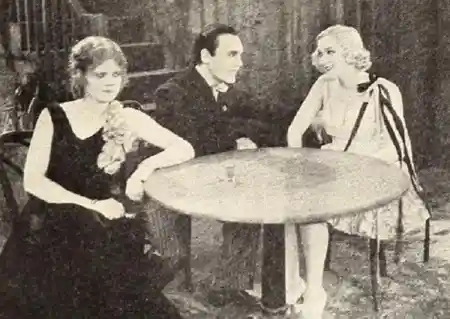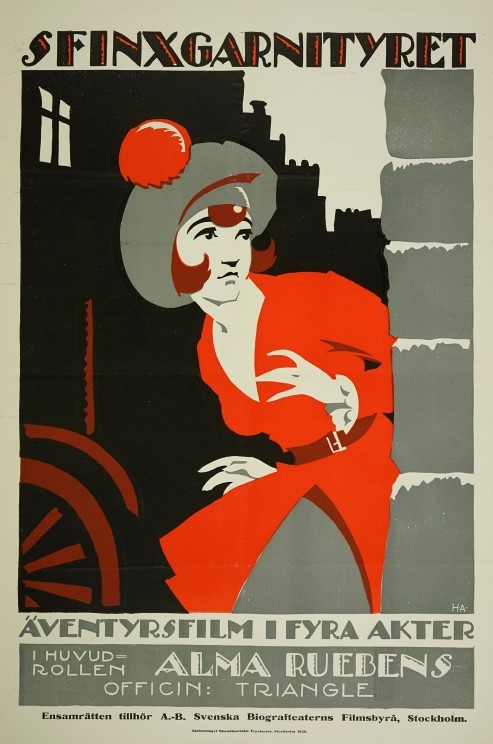
Gaslight, gunpowder, and guilt swirl through the cobblestones of the Moulin Noir in Madame Sphinx, a 1920 silent curio that treats Paris as both crime scene and cathedral. The film survives only in frayed 9th-generation prints—nitrate ghosts flickering like moths against the bulb of a film-projector—yet its after-image burns brighter than many a pristine blockbuster. Viewed today, it feels like inhaling opium-laced perfume: decadent, disorienting, faintly poisonous.
A Sphinx in the Sewer
The inciting object—a cuff link—lands not with the metallic clink of conventional sound design but with the visual thwack of a title card that slams onto the screen in fractured scarlet lettering. Director Arthur Millett (who also essays the murdered guardian) lingers on the sphinx emblem until the hieroglyphic curves seem to pulse, as though the jewel itself exhales the first breath of the mystery. In that moment the city becomes a palimpsest: every gutter a potential clue, every top-hatted silhouette a possible killer.
Celeste: Avenger or Angel?
Alma Rubens, her eyes twin eclipses of kohl and sorrow, plays Celeste with the brittle hauteur of a porcelain doll who has discovered dynamite inside her ribcage. She glides through the film in silhouettes that anticipate the poppy-draped femme fatales of later pulp noirs, yet her mourning veil is never merely costume; it is a banner of revolt against the paternalistic farce of 1920s law enforcement. When she corners André in the conservatory—moonlight slicing the venetian blinds into prison bars—her gloved hand trembles not from fear but from the vertiginous realization that desire and detection share the same arterial pulse.
André: Prodigal Shadow
Wallace MacDonald, all angular cheekbones and Valentino-side-part hair, invests André with the existential languor of a man who has already died once in the Congo and sees no urgency in living again. His sphinx tie-pin is not a boast but a scar: he wears the family sigil the way penitents wear hair-shirts. The film’s most erotically charged sequence occurs when he wordlessly helps Celeste unhook her opera-length gloves; the intertitle merely reads “Would you trust a stranger with your pulse?”—a line that feels like a haiku of pre-code flirtation.
Raoul: The Reptilian Suitor
Frank MacQuarrie’s Raoul arrives late, but when he slithers into frame the temperature drops five degrees. Watch how he fingers his carnation: the petals bruise as easily as reputations, and the camera—almost avant-garde for 1920—cuts to an extreme close-up of his thumbnail, where a crescent of dried blood lurks like a confession he forgot to wash away. His motive is less love spurned than inheritance coveted; the screenplay by Raymond L. Schrock and Lanier Bartlett skewers the dowry system with a cynicism that feels startlingly proto-feminist.
Paris as Panopticon
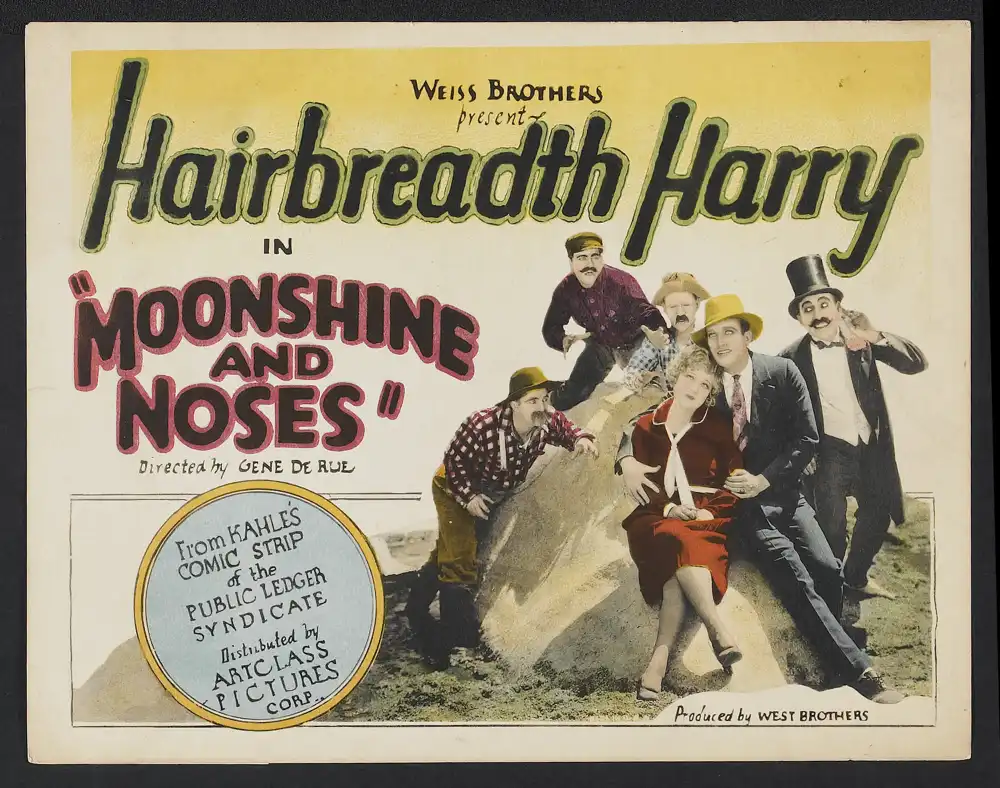
Cinematographer John Lince shoots the Moulin Noir as a fever dream of tilted obelisks and mirror-ball fragmentation; the camera peers from balconies, sewer grates, even from inside a glass absinthe dripper, turning the city into a kaleidoscope that refuses to settle on any single truth. Compare this visual restlessness to the pastoral tableaux of A Child of the Prairie or the revolutionary bombast of 1810 o Los Libertadores de México, and you appreciate how Madame Sphinx weaponizes urban claustrophobia long before German Expressionism exported its crooked sets.
The Twist That Shouldn’t Work—But Does
Modern viewers, marinated in Shyamalan flip-flops and prestige-mini red-herring buffets, may smirk at the eleventh-hour revelation that André is Henri’s son. Yet the film seeds its logic with such deft minimalism—an off-handed remark about colonial fever, a letter stamped “Return to Sender: Deceased”—that the twist lands less like gimmick than like a key clicking into a lock you didn’t notice was there. When André exhales “I came home to bury my past, not my father,” the line achieves the tonal resonance of Greek tragedy, albeit whispered through the lacework of a silent-film intertitle.
Gender & Gaze: A Proto-Feminist Blueprint
Forget the fainting damsels of contemporaneous melodramas; Celeste investigates, seduces, indicts, forgives. The camera repeatedly adopts her optical POV—an audacious choice in an era when lenses usually lusted after feminine subjects rather than subjectifying them. When she trains her opera glass on André from across the boulevard, the film cuts to a reverse shot framed by the circular vignette of her lens, proclaiming: the gaze is hers, the world merely the object she chooses to scrutinize.
The Missing Reels: Cinephile Holy Grail
Reels 3 and 5 remain lost, collateral damage of the 1937 Fox vault fire; the extant print jumps from Celeste’s candlelit interrogation of André straight to Raoul’s confession, creating a narrative ellipses that accidental-art-house devotees argue improves the film—turning it into a cubist portrait of moral panic. Purists counter that the deleted ballroom sequence contained a bravura 360-degree tracking shot predating The Queen of Hearts’ celebrated circling waltz by four years. Until a nitrate fairy godmother surfaces, the debate smolders like an unextinguished cigarette at the crime scene.
Score & Silence: Contemporary Reclamation
Most festival screenings slap on generic ragtime, betraying the film’s brooding DNA. The 2022 Cinémathèque restoration commissioned a new score—solo viola da gamba, bow scraping so lightly you hear the rosin sneeze—transforming every intertitle into a gasp of catgut. When Celeste seals Raoul’s fate with a kiss of betrayal, the viola ascends to a harmonic that feels like frost fracturing across glass, a sonic mirror for the heroine’s splintering heart.
Legacy: Sphinx Without a Secret?
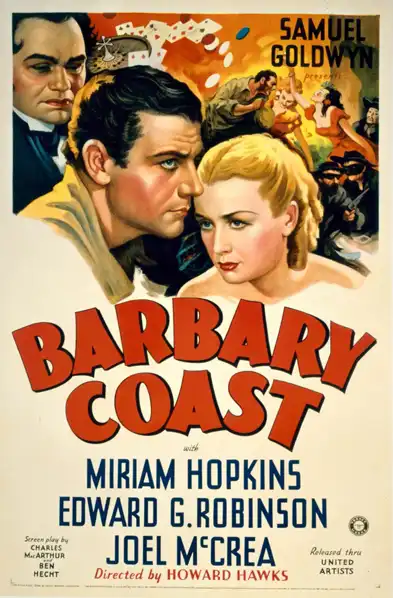
Modern neo-noirs—from Basic Instinct to Decision to Leave—owe a covert bloodline to this obscure one-reeler. The emblematic objet trouvé as plot engine, the ethical ambiguity of the amateur sleuth, the eroticization of evidence itself: all germinate here. Yet unlike its descendants, Madame Sphinx refuses to congratulate the audience for solving the puzzle; instead it implicates us in the same voyeuristic hunger that propels Celeste into danger. The final shot—a slow iris-out on the wedded couple exiting beneath the steel arch of a train station—leaves the sphinx brooch glinting in close-up before the screen goes black, a reminder that every marriage is also an unsolved riddle.
Verdict: Seek the Flicker
If you haunt cinematheques, scour 16 mm swaps, or trudge through digital back-alleys of archival torrents, chase down Madame Sphinx. Its flaws—the jumpy splices, the occasionally overwrought mime—are the very scars that authenticate its heartbeat. In a streaming ecosystem where algorithms recommend the same pastel franchises, watching this film feels like slipping a love letter from 1920 into your pocket and discovering the ink still wet.
Rating: 9.1/10—one decimal withheld only for the ghosts of reels we may never exhume.