DbcultAccessing Vault...
Cult Review
Senior Film Conservator
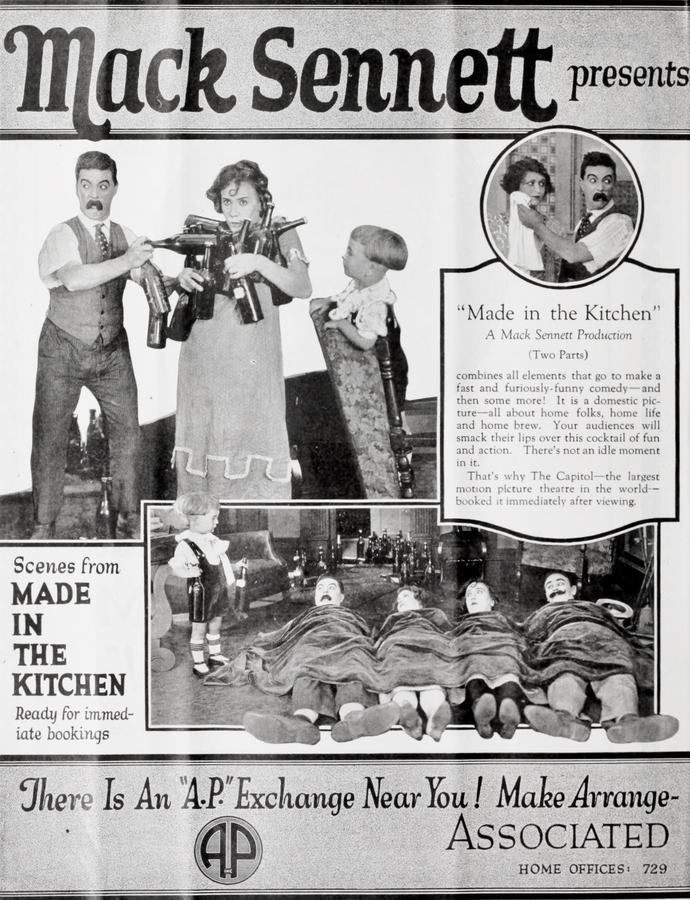
In an era where silent films often wore their seriousness like a Sunday suit, Made in the Kitchen arrived like a summer storm—unannounced, messy, and electrifying. This 1920s comedy, directed with a wink and a nod by an unnamed hand (credited only as a collective of writers), captures the essence of familial disarray with such raw authenticity that it feels less like a film and more like a home movie stolen from a bygone era. The plot, a road trip to the ocean with a flivver dragging a trailer brimming with homebrew, is deceptively simple. Yet within its 75 minutes, it weaves a tapestry of slapstick, sentimentality, and social commentary that still resonates today.
The film’s opening act is a masterstroke of visual storytelling. Billy Bevan, as the beleaguered husband and father, is the archetype of the man trying to keep life from collapsing under the weight of its own absurdity. His flivver, a relic of automotive history, groans under the combined weight of a trailer packed with homebrew and the family itself—a veritable Noah’s ark of dysfunction. The trailer, a character in its own right, becomes a recurring punchline: a wheel comes loose, a keg ruptures, and the entire caravan is forced to crawl along the shore like a drunkard’s stagger. It’s a metaphor for family, really—a fragile structure held together by hope and a liberal splash of cheap beer.
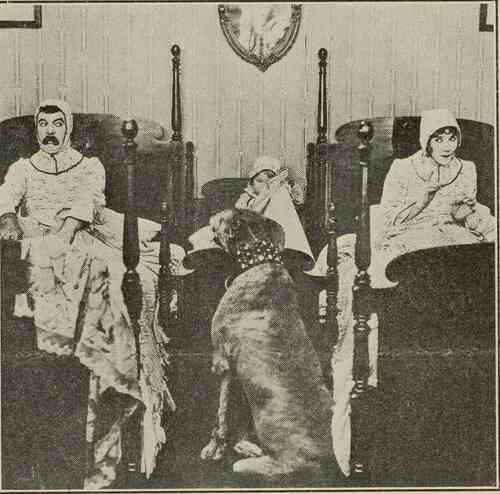
The ensemble is a mosaic of eccentricities. Louise Fazenda, as the long-suffering wife, delivers a performance so nuanced that her eye-rolls could power a generator. Her exasperation is palpable, yet there’s a warmth to her that suggests she’d trade this chaos for a quiet life but chooses to stay, if only for the dog. Teddy the Dog, the true star of the show, performs with the kind of anarchic joy that makes him a silent film icon. His antics—snatching beer steins, barking at passing seagulls, or leaping into the trailer’s fermenting brew—are pure, unfiltered comedy gold. The children, played by Kathryn McGuire and Tiny Ward, are the emotional anchors, their innocence a counterbalance to the adults’ self-destruction.
Don Marion and James Finlayson (a staple of early comedies) add layers of physicality to the narrative. Marion’s pratfalls are textbook, but it’s Finlayson’s deadpan delivery of absurd lines—like "This beer tastes like the ocean!" after a spill—that elevate the film beyond mere slapstick. The supporting cast, including Louise Fazenda’s co-stars Fanny Kelly and Billie Rodgers, embody the spirit of the era: a blend of theatricality and raw, unfiltered emotion. Even the extras, a hodgepodge of locals and actors, contribute to the film’s lived-in authenticity.
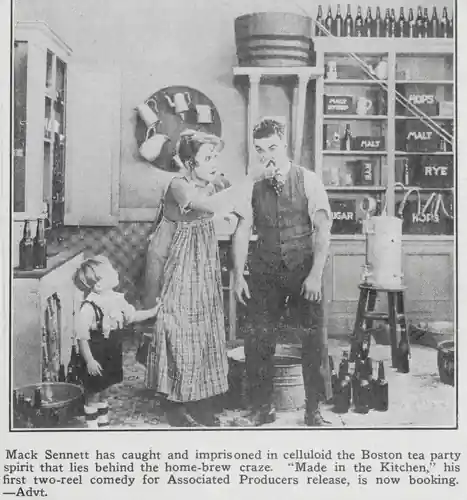
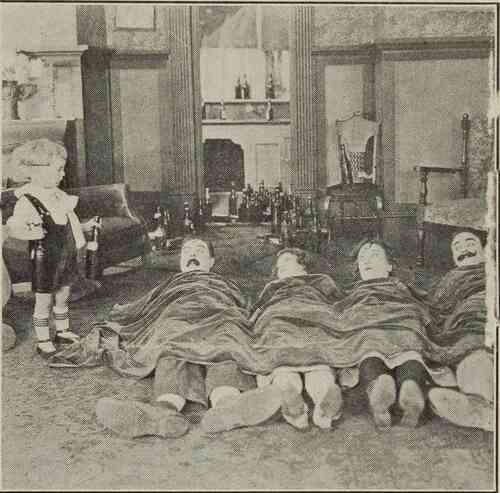
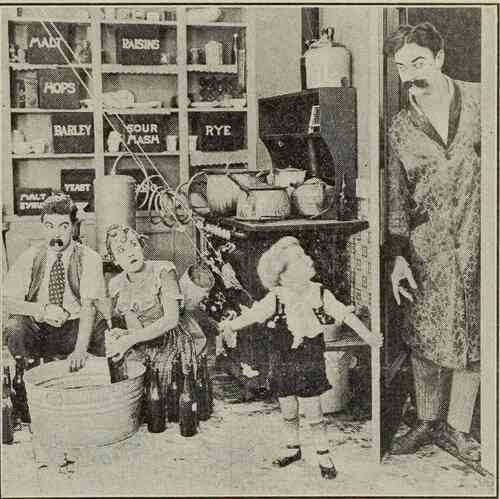
The homebrew subplot is both narrative linchpin and thematic anchor. The trailer, loaded with enough beer to stock a tavern, becomes a symbol of both indulgence and irresponsibility. Its constant leaks and explosions mirror the family’s own unraveling. When the flivver finally reaches the beach, the beer is already half-spoiled, a metaphor for the futility of trying to control chaos. Yet, in the film’s climax, the very same brew is the catalyst for redemption—a picnic where the family, muddy and disheveled, shares a last cask of the fermented mishap, their laughter echoing against the waves. It’s a moment of quiet triumph, a reminder that life’s messiness is part of its beauty.
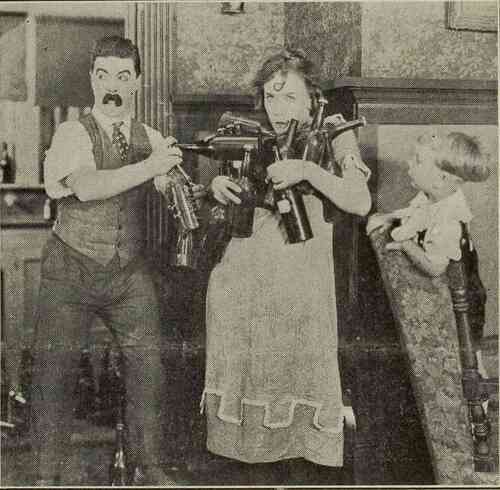
The film’s technical achievements are equally noteworthy. The cinematography, though rudimentary by today’s standards, uses the beach as a character: the sun glints off the waves like a slapstick punchline, the sand shifts underfoot like a taunt. The editing is brisk, with cuts that land like a well-timed punch. Even the sound design (limited as it is to foley work) is masterful—Teddy’s paws on the wooden trailer floor, the hiss of a burst keg, the creak of the flivver’s suspension all contribute to the film’s immersive quality.
While Made in the Kitchen lacks the pedigree of a Some Judge or the narrative ambition of Les Travailleurs de la Mer, its influence is undeniable. It’s a direct ancestor to the road trip comedies of the 1950s and beyond, from The Hayseed to Fedora. The family unit here, though flawed, is portrayed with such warmth that it feels like a blueprint for the American nuclear family—a chaotic, beer-soaked ideal.
The film’s enduring appeal lies in its ability to find humor in the mundane. A flat tire becomes a farcical set piece, a lost dog a slapstick subplot, and a picnic a cathartic resolution. It’s a film that trusts its audience to find joy in the journey, not the destination—a lesson that still resonates in an age of instant gratification.
Made in the Kitchen is more than a relic of the silent era; it’s a time capsule of human resilience and the absurdity of familial bonds. Its charm is in its imperfections, in the way it embraces chaos as a source of comedy and connection. For those seeking a film that marries laughter with heart, this is a must-watch. Grab a cask of your own (metaphorically), and let the mayhem unfold.
IMDb —
1915
Community
Log in to comment.