DbcultAccessing Vault...
6.6/10
Senior Film Conservator
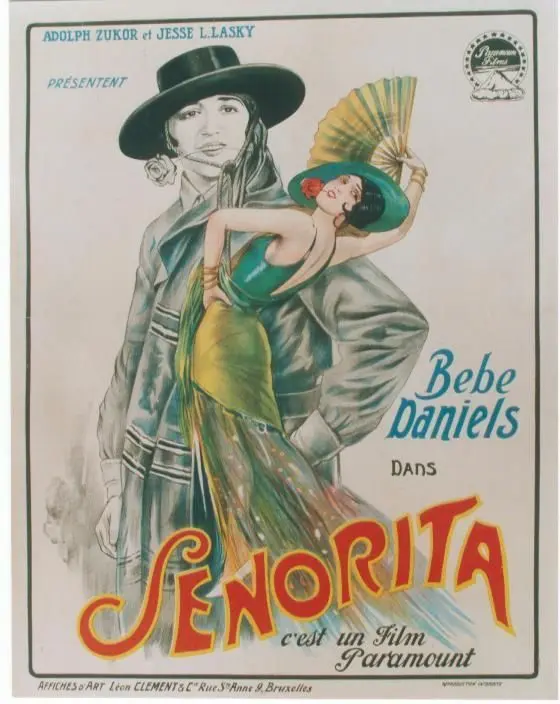
A definitive 6.6/10 rating for a film that redefined the boundaries of cult cinema. Señorita remains a cornerstone of transgressive art.
Does the 1927 silent classic Señorita still hold up for a modern viewer? Short answer: yes, but primarily as a showcase for the athletic brilliance of Bebe Daniels rather than as a revolutionary piece of cinema. This is a film specifically for fans of swashbuckling adventure and those interested in early feminist subversions of the Western genre, but it is certainly not for those who demand narrative logic or historical accuracy in their period pieces.
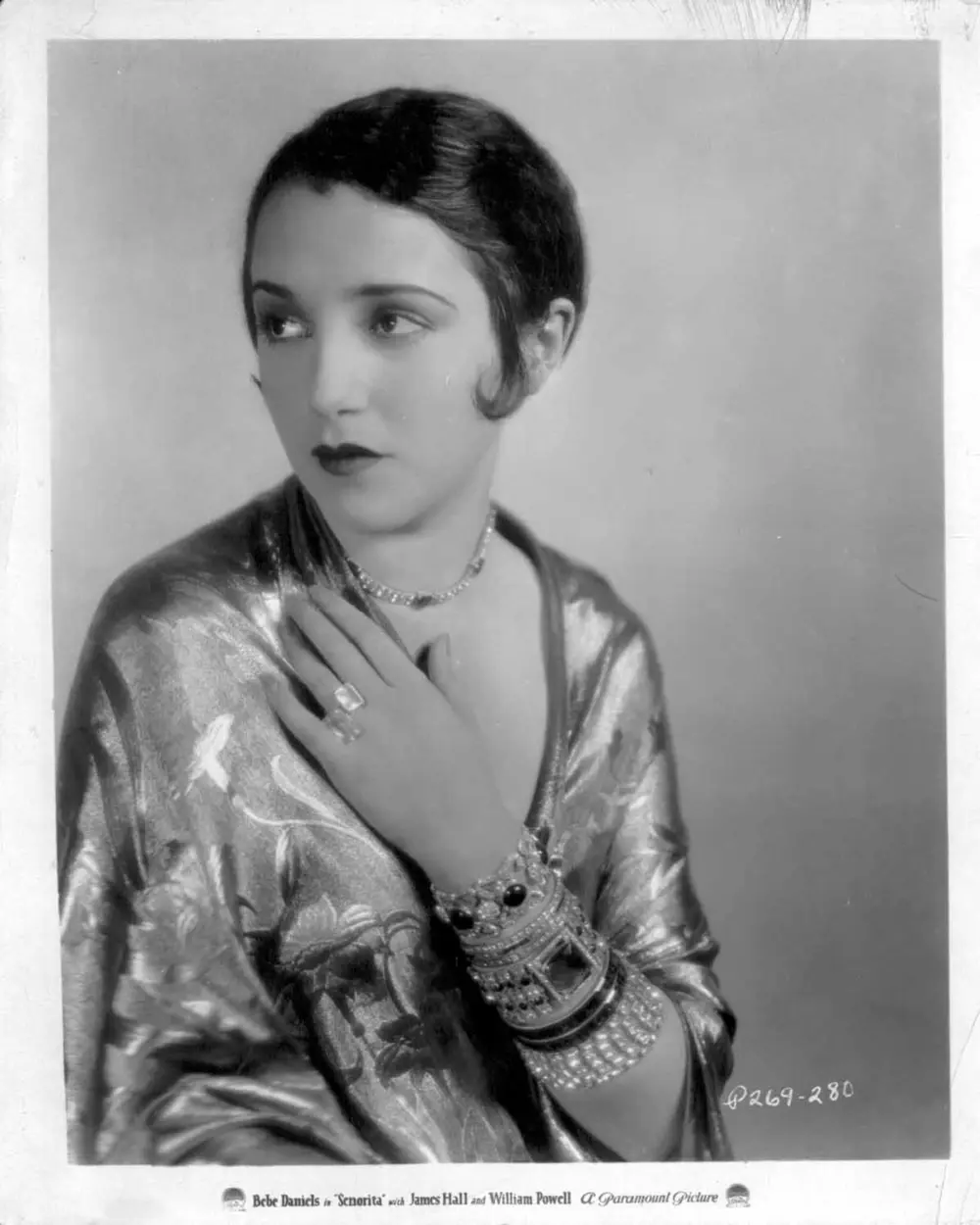
In the landscape of 1920s cinema, we often see women relegated to the roles of the victim or the prize, as seen in more traditional dramas like The Awakening. Señorita spits in the face of that convention. It is a loud, dusty, and vibrant middle finger to the idea that a 'lady' belongs in the parlor. Bebe Daniels doesn't just play at being a man; she embodies the physical competence required to survive in a world governed by the gun and the blade.
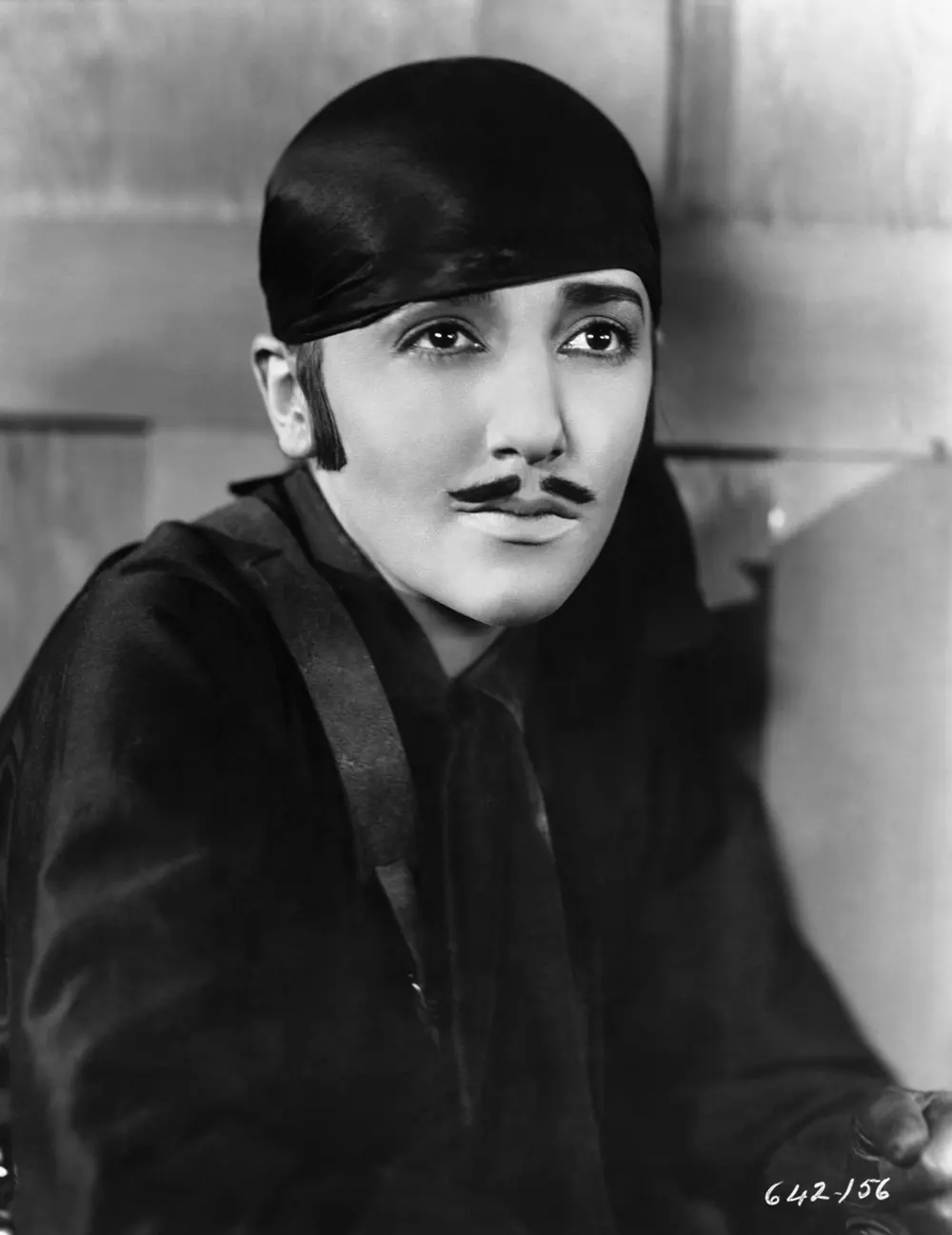
1) This film works because Bebe Daniels possesses a kinetic energy that feels entirely modern; her physical comedy and stunt work are genuinely impressive even by today's standards. 2) This film fails because the third-act shift from lighthearted masquerade to a grim, bloody family shootout feels tonally inconsistent, almost as if two different directors were fighting for control. 3) You should watch it if you want to see a rare example of a silent-era actress being allowed to be the hero, the clown, and the romantic lead all at once.
Bebe Daniels was often cast in 'flapper' roles—think of the vivacity in Chickie—but here she is transformed. The way she carries herself as the caballero is not a caricature. There is a specific scene early in the film where she first practices her fencing against a decorative suit of armor. The speed of her lunges isn't just movie magic; it's the result of genuine training. She moves with a fluidity that makes the male antagonists look like they are wading through molasses.
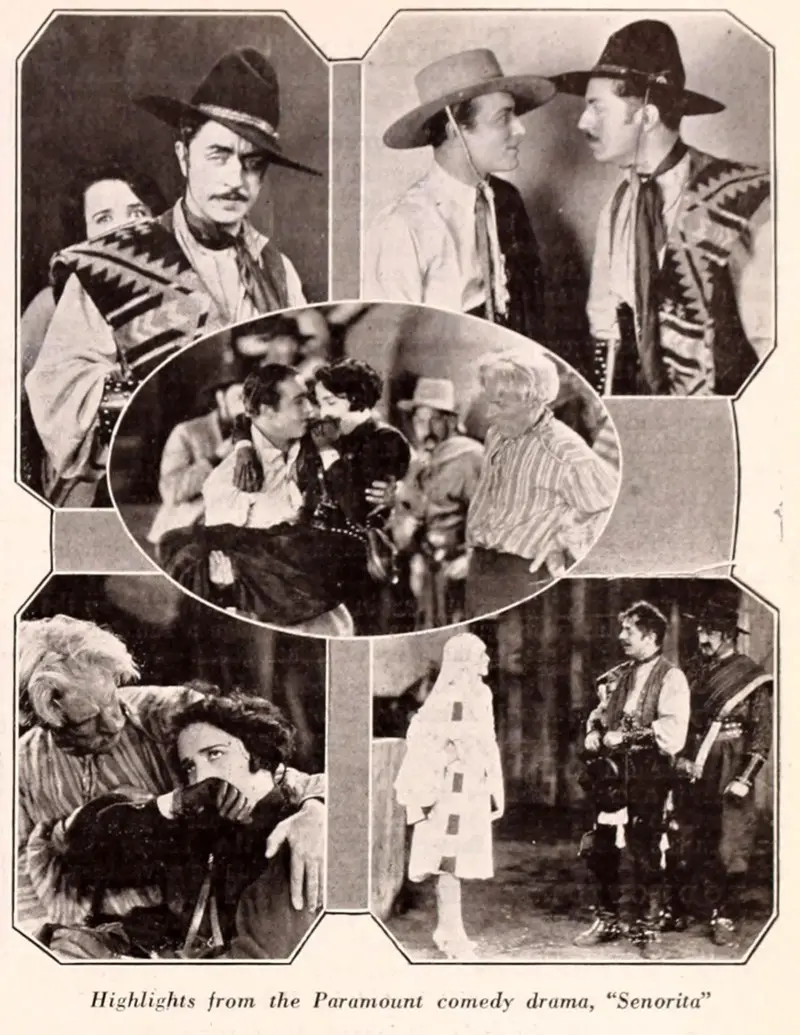
Compare her performance to the more static acting found in Wild Primrose. While other actresses were focusing on the 'big eyes' and trembling lips of the era, Daniels was busy jumping off balconies. It is a performance of the body as much as the face. She uses her eyes not to weep, but to intimidate. When she stares down Ramón Oliveros, you don't see a girl in a costume; you see a threat. It works. But it’s flawed.
Director Clarence G. Badger clearly took notes from Douglas Fairbanks' *The Mark of Zorro*, but he injects a level of self-aware humor that Fairbanks often lacked. The pacing in the first half is relentless. We are whisked from the Hernández ranch to the dusty streets of the village with a rhythmic precision that keeps the viewer engaged. The cinematography by William Marshall utilizes the harsh California sun to stand in for South America, creating high-contrast shadows that lend the duels a noir-like intensity.
However, the film occasionally stumbles into the slapstick tropes of the time, reminiscent of The Lion and the Souse. While the humor usually lands, there are moments where the broad comedy undercuts the genuine tension of the Oliveros family threat. One specific moment involving a stubborn donkey feels like it belongs in a different movie entirely, breaking the immersion of the otherwise tight action sequences.
Señorita is absolutely worth watching if you appreciate the evolution of the action heroine. It serves as a vital link between the serial queens of the 1910s and the modern action stars of today. While the plot is predictable, the charisma of the lead performance ensures that the film never feels like a chore to sit through.
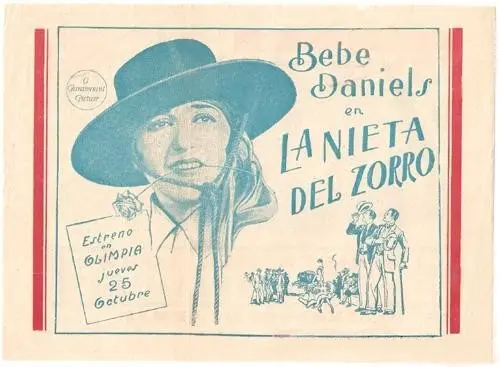
It is fascinating to see William Powell here, long before he became the sophisticated icon of *The Thin Man*. As the scheming Ramón, he provides a perfect foil to Daniels. He plays the role with a greasy, low-simmering menace. In the scene where he attempts to force his attentions on Francesca (in her female attire), Powell manages to be genuinely unsettling. This isn't the cartoonish villainy of The Grip of Evil; it’s a more grounded, dangerous form of misogyny that makes Francesca’s eventual triumph over him in the duel feel incredibly cathartic.
The duel itself is the film's highlight. The choreography is tight, and the use of the environment—knocking over tables, using the stairs—shows a level of thought that many silent Westerns lacked. When Francesca finally disarms him, the look of pure shock on Powell's face is a cinematic treasure. It’s a moment of pure subversion: the 'heavy' beaten by the 'ingenue'.
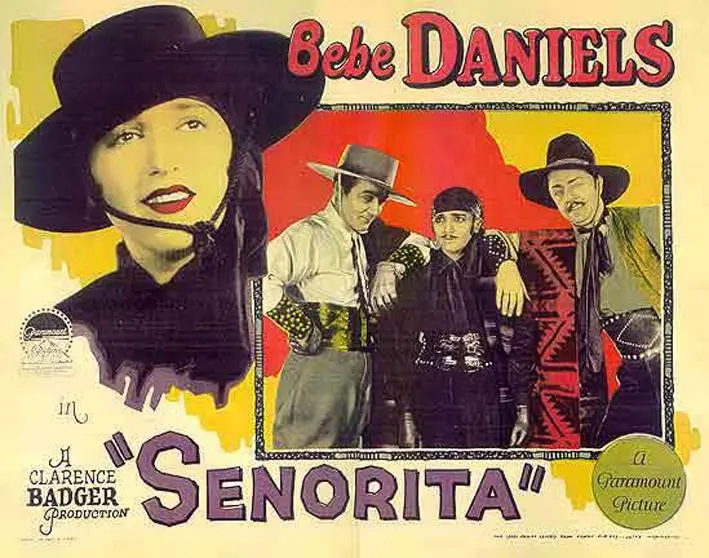
The film’s middle section is where it truly shines. The tension of Francesca trying to maintain her disguise while being pursued by Roger is handled with more grace than similar 'mistaken identity' plots in films like Wanted: A Baby. There is a genuine sense of risk. Every time she puts on the mustache, you feel the stakes. The film understands that the disguise isn't just a plot device; it's Francesca's liberation.
However, I have a bone to pick with the ending. After eighty minutes of Francesca being the most competent person in the room, the film feels the need to have her be 'saved' by a wound and a man's realization. It’s a common trope of the era, seen in everything from Souls Enchained to Desert Driven, but here it feels particularly unearned. She earned a victory; she was given a compromise.
"Bebe Daniels doesn't just play a hero; she dismantles the very idea of what a 1920s heroine was allowed to be. Her Francesca is a whirlwind of steel and silk."
Señorita is a fascinating, high-energy anomaly. While it shares some of the DNA of the era's more forgettable shorts like Kids and Kidlets, its ambitions are much higher. It is a film that wants to be an epic, a comedy, and a romance all at once. For the most part, it succeeds. Bebe Daniels is the engine that keeps the whole machine running, and her performance alone justifies a viewing. It’s not a perfect film—the ending is a bit of a letdown and the cultural portrayals are thin—but as a piece of entertainment, it’s sharper than most of its contemporaries. If you can look past the 1927 lens, you'll find a hero worth rooting for.
IMDb —
1923
Community
Log in to comment.