DbcultAccessing Vault...
Cult Review
Senior Film Conservator
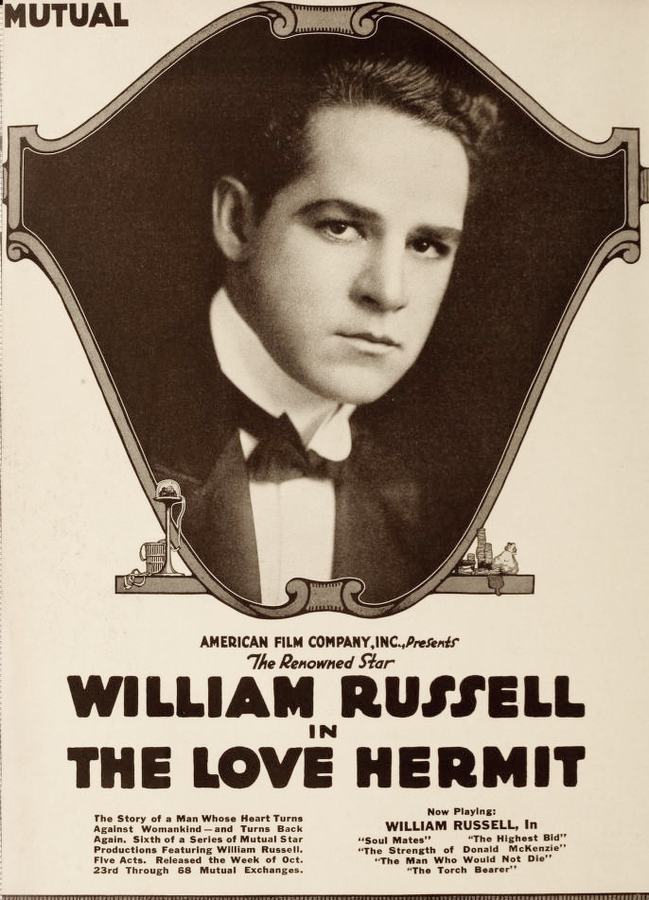
Stepping back into the nascent years of cinema, one occasionally unearths a gem that, despite its age and the inherent limitations of the silent era, still resonates with a surprising degree of emotional potency. Such is the case with 1916’s The Love Hermit, a film that, at its core, explores the destructive power of betrayal and the corrosive nature of vengeance. It’s a narrative not unfamiliar to modern audiences, yet presented with a raw, unvarnished intensity characteristic of its time. Directed with a keen eye for human drama, this picture plunges us into a world where personal slights can morph into all-consuming crusades, leaving a trail of emotional wreckage in their wake.
At the heart of this compelling melodrama is Tom Weston, portrayed with a compelling blend of youthful naivete and hardened resolve by William Stowell. Stowell’s performance, particularly in the film’s opening acts, captures the essence of a young man whose world is idyllically simple, defined by the burgeoning affection he holds for Marie Bolton. Marie, the daughter of his employer James Bolton, played by Charlotte Burton, initially appears to be the object of Tom’s earnest, if somewhat unworldly, devotion. Their romance, while perhaps lacking the nuanced complexities of later cinematic portrayals, is nevertheless presented as genuinely heartfelt, a foundation upon which Tom envisions his future. This innocent love, however, is destined for a brutal collision with reality, a narrative arc that frequently captivated audiences of the era, as seen in other melodramas like The Scarlet Road, where romantic aspirations often face insurmountable societal or personal obstacles.
The pivotal moment arrives with the revelation of Marie’s engagement to Jack Hillman, a man we learn little about beyond his role as the catalyst for Tom’s heartbreak. It’s a sudden, jarring betrayal that shatters Tom’s world, leading to Marie’s swift and unceremonious dismissal of him. This emotional wound, depicted through Stowell’s subtle yet effective silent-era acting, is not one that merely heals with time; it festers, transforming into a deep-seated bitterness. Tom’s subsequent vow to treat women with the same callous disregard Marie showed him is the turning point, marking his metamorphosis from an earnest lover into a formidable, albeit morally compromised, figure. This is where the film truly begins to delve into the psychological ramifications of unrequited love and the dangerous path of emotional retribution. His journey mirrors a common trope of the time, where characters, much like in Ranson's Folly, undergo significant personal transformations spurred by a dramatic life event, often leading them down a morally ambiguous path.
As Tom’s professional life flourishes, so too does his reputation as a ruthless womanizer. The film expertly, within the constraints of silent storytelling, illustrates this parallel development. His ascent in the business world, achieving significant wealth and influence, is not merely a testament to his acumen but also a manifestation of his hardened heart. Each professional victory seems to be fueled by the initial sting of betrayal, a cold, calculated drive that leaves little room for empathy or genuine connection. William Stowell’s portrayal of this evolution is particularly noteworthy; he conveys the gravitas of a man who has deliberately built walls around himself, using his success as both a shield and a weapon. The silent screen, relying heavily on exaggerated gestures and facial expressions, allows Stowell to communicate Tom’s internal state without the need for dialogue, making his transformation all the more impactful.
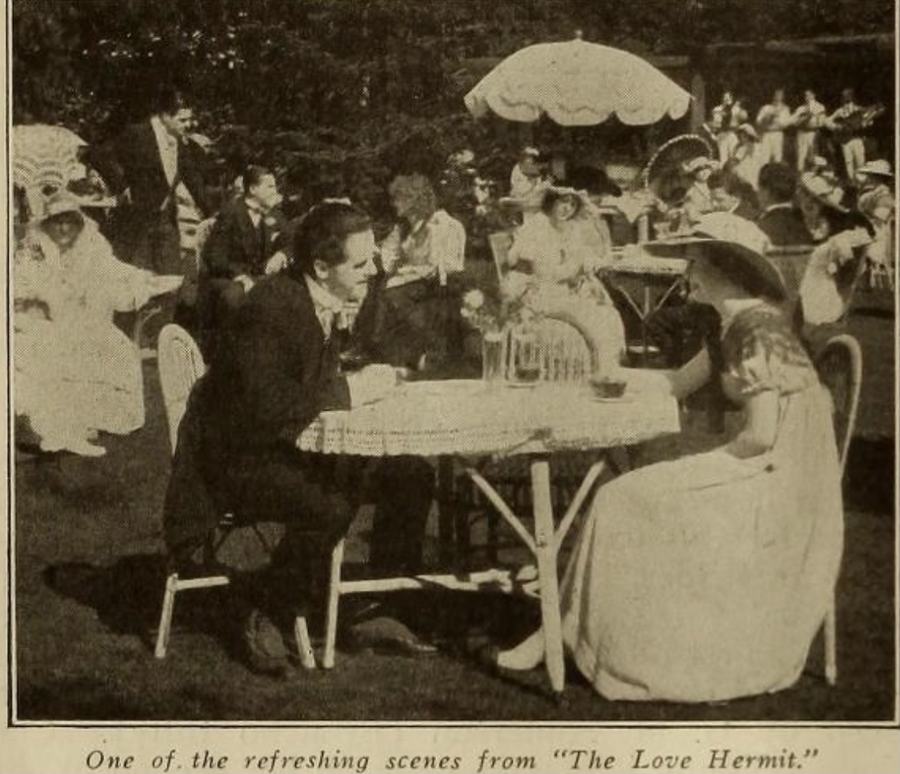
The portrayal of women in Tom’s post-Marie life is, predictably, one-dimensional. They are conquests, stepping stones, or mere distractions, never truly individuals with their own agency or emotional depth. This reflects not only Tom’s skewed perception but also, perhaps, the broader societal attitudes towards women in certain narratives of the era. The film doesn't necessarily endorse Tom's misogyny but presents it as a direct consequence of his initial trauma, a coping mechanism that has spiraled into a destructive pattern. His reputation as a 'love hermit' – someone isolated by his own emotional barricades – becomes a self-fulfilling prophecy, even amidst his material success. It’s a tragic irony that the pursuit of revenge has trapped him in a cage of his own making, devoid of the very connection he initially sought.
With his newfound wealth and power, Tom sets his sights on his ultimate goal: the systematic ruin of James Bolton, his former employer and Marie’s father. This act of corporate and personal vengeance forms the crux of the film's second half. The silent cinema often excelled at depicting grand schemes and dramatic confrontations, and The Love Hermit is no exception. The tension builds as Tom meticulously executes his plan, leveraging his financial might to dismantle Bolton’s business empire piece by piece. Harry von Meter, as James Bolton, delivers a performance that elicits sympathy, portraying a man caught unaware by the machinations of a former protégé, a man whose only 'crime' was being the father of the woman who broke Tom’s heart. Bolton’s slow, agonizing decline is presented with a realism that underscores the cruelty of Tom’s vendetta.
However, as the plot unfolds, the narrative takes an unexpected turn, deviating from Tom’s carefully laid plans. The film, rather than offering a straightforward tale of successful revenge, introduces elements that complicate Tom’s moral landscape and force him to confront the consequences of his actions. This is where the writing of Clarke Irvine truly shines, injecting a degree of psychological complexity that elevates the film beyond simple melodrama. The audience is invited to question whether Tom’s path to retribution is truly satisfying, or if it merely perpetuates a cycle of pain. The presence of other characters, perhaps those less directly involved in the initial betrayal, begins to subtly influence Tom’s perspective, chipping away at the hardened shell he has constructed. This kind of moral ambiguity, while not always explicit in silent films, often provided a richer viewing experience, allowing for deeper contemplation than a simple good-versus-evil narrative. Films like The Secret Orchard often explored the intricate consequences of past actions on present lives, echoing this film’s thematic undercurrents.
The ensemble cast of The Love Hermit delivers performances that are both emblematic of the silent era and surprisingly effective. William Stowell, as Tom Weston, carries the film with his intense gaze and expressive physicality. His ability to convey profound shifts in character, from hopeful romantic to embittered avenger, without uttering a single word, is a testament to his craft. He commands the screen, drawing the audience into Tom's complex emotional journey. Charlotte Burton, as Marie Bolton, effectively portrays the woman who inadvertently sets Tom’s destructive path in motion. While her character is primarily a catalyst, Burton imbues Marie with a certain fragility and perhaps even regret, suggesting a deeper story beneath the surface of her actions.
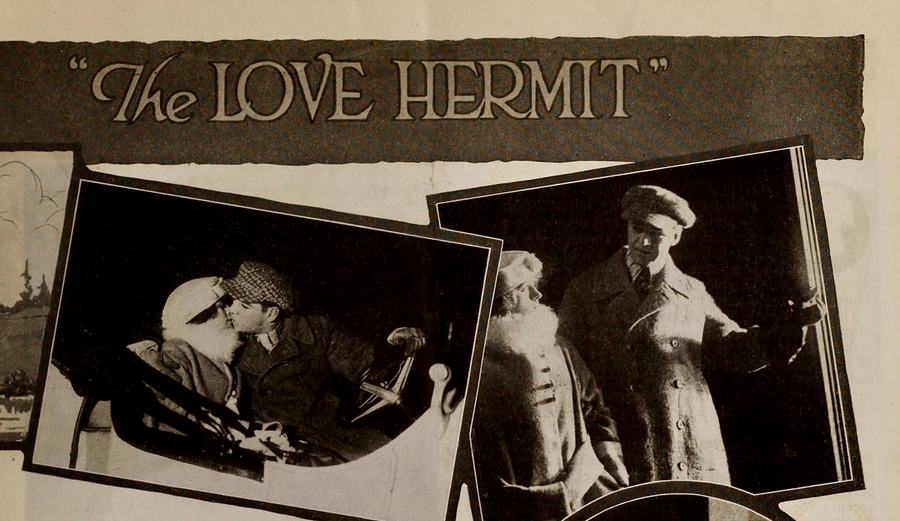
Harry von Meter, as James Bolton, provides a sympathetic counterpoint to Stowell’s vengeful magnate. His portrayal of a man facing financial ruin and personal despair is poignant, adding a layer of human cost to Tom’s revenge. Ashton Dearholt and William Russell, in their supporting roles, contribute to the narrative's texture, though their characters are less fleshed out than the central trio. Queenie Rosson, also in a supporting capacity, adds to the film's atmosphere, likely providing a glimpse into the societal circles Tom now inhabits. The success of silent films hinged on the actors’ ability to communicate emotion and plot through gesture, expression, and pantomime. The cast of The Love Hermit, under the guidance of its director, largely succeeds in this challenging endeavor, creating a compelling visual narrative that transcends the lack of spoken dialogue.
Beyond the surface-level plot of revenge, The Love Hermit delves into several profound thematic explorations. The most prominent is, of course, the nature of vengeance itself. The film meticulously illustrates how the pursuit of retribution, even when seemingly justified by deep personal hurt, can become a self-consuming fire, ultimately harming the avenger as much, if not more, than the intended victim. Tom’s transformation into a “love hermit” is a powerful metaphor for the emotional isolation that comes with a life dedicated to bitterness. He gains material wealth but loses the capacity for genuine human connection, a trade-off the film implicitly critiques.
Another significant theme is the exploration of societal expectations and gender roles in the early 20th century. Marie’s initial engagement, while it breaks Tom’s heart, might have been influenced by a myriad of factors, including societal pressure or familial expectations, common themes in dramas of the time such as The End of the Rainbow or even the more fantastical Snow White, which, despite its fairy tale setting, often reflected contemporary moral lessons. Tom’s subsequent womanizing, while portrayed as a personal failing, also exists within a societal context where such behavior, particularly from a powerful man, might have been viewed with a certain degree of detached acceptance, if not outright admiration. The film subtly challenges these norms by depicting the emptiness and moral decay inherent in Tom’s lifestyle.
The narrative structure, credited to writer Clarke Irvine, is surprisingly sophisticated for its time. It avoids a simplistic linear progression, instead introducing complications that force Tom to re-evaluate his path. The gradual unraveling of his revenge plan, rather than its triumphant execution, adds a layer of realism and psychological depth. Irvine crafts a story that suggests true resolution comes not from external retribution but from internal change and a confrontation with one's own destructive impulses. This nuanced approach to storytelling sets The Love Hermit apart from more straightforward moral tales, aligning it with films that sought to explore the complexities of human nature, a trait shared by dramas like The Sting of Victory, which often explored the deeper consequences of ambition and conflict.
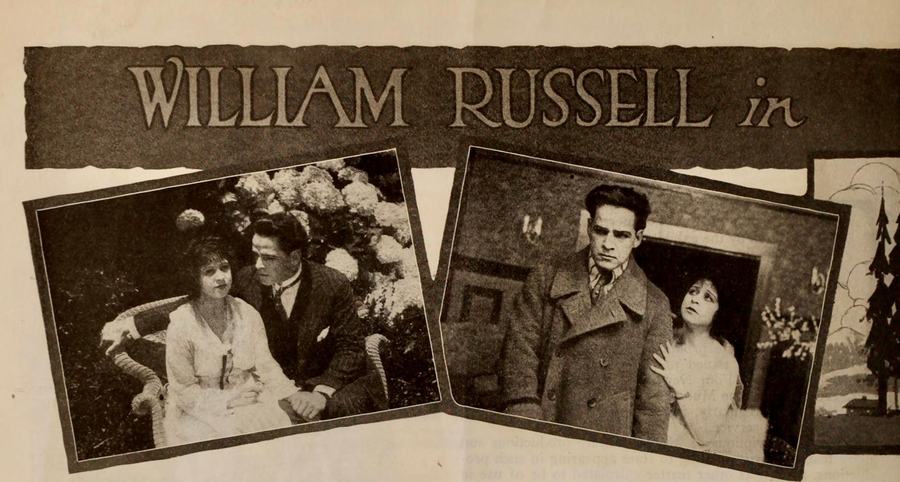
Viewing The Love Hermit today is not merely an exercise in historical appreciation; it’s an opportunity to witness the foundational elements of cinematic storytelling taking shape. The film, like many of its contemporaries, relies heavily on visual metaphors, intertitles to convey dialogue and exposition, and a dramatic pacing that might feel deliberate to modern audiences accustomed to rapid-fire editing. Yet, it possesses an undeniable charm and a capacity to draw the viewer into its world. The cinematography, while perhaps lacking the sophisticated techniques of later eras, effectively captures the mood and atmosphere, using lighting and composition to enhance the emotional impact of key scenes. The use of close-ups, though less frequent than in talkies, is employed strategically to highlight character emotions, a burgeoning technique of the period.
The enduring appeal of such silent films lies in their ability to communicate universal human experiences through a purely visual language. The themes of love, betrayal, revenge, and ultimately, the possibility of redemption are timeless. The Love Hermit, despite its age, serves as a powerful reminder that compelling narratives and deeply felt emotions can transcend technological limitations. It’s a testament to the talent of its cast and crew that this film continues to offer a valuable window into the past, while still speaking to contemporary concerns about the choices we make and the paths we choose. Much like other silent classics such as The Last Days of Pompeii, which captivated audiences with its epic visual storytelling, The Love Hermit showcases the power of early cinema to engage and provoke thought.
In its exploration of a man consumed by the desire for revenge, The Love Hermit offers more than just a historical curiosity; it presents a surprisingly modern psychological drama. William Stowell’s nuanced performance, coupled with Clarke Irvine’s thoughtful screenplay, ensures that Tom Weston’s journey from jilted lover to ruthless magnate and back towards a semblance of self-awareness remains captivating. The film, while firmly rooted in its silent era conventions, manages to convey a depth of character and thematic complexity that stands the test of time. It encourages us to reflect on the cyclical nature of pain and the ultimate futility of vengeance when divorced from personal growth. For cinephiles and casual viewers alike, The Love Hermit is a valuable artifact, a resonant echo from a bygone era that continues to speak volumes about the human condition. It reminds us that even in the absence of sound, the power of a well-told story and compelling performances can create an indelible impression, proving that some narratives, like the complexities of the human heart, are truly timeless.
The legacy of films like The Love Hermit lies not just in their historical significance, but in their ability to still provoke thought and emotion. They serve as a crucial bridge, connecting contemporary audiences to the foundational artistry of cinema, demonstrating how early filmmakers grappled with universal themes using the nascent tools at their disposal. The silent era was a period of intense experimentation and creativity, and The Love Hermit stands as a worthy example of its dramatic potential, a testament to the enduring power of visual storytelling.
IMDb —
1922
Community
Log in to comment.