DbcultAccessing Vault...
Cult Review
Senior Film Conservator
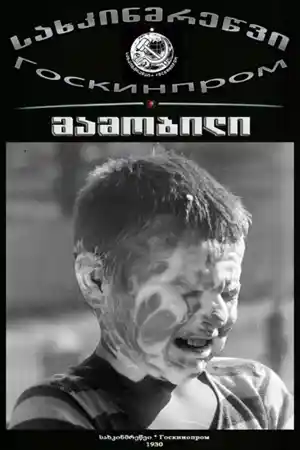
Mamobili, this old Georgian flick, it’s a tricky one to recommend straight up. If you’re someone who actually gets a kick out of digging into cinema history, especially from the early Soviet era, then yeah, you might find something here. But if you need quick pacing or modern gloss, you'll probably bounce off it hard. Like, within the first fifteen minutes, probably. 😬
The film kinda follows a young woman, Mariam (played by P. Daguno), in a small village, grappling with traditions and the pull of new ideas. It’s less about a grand plot and more about these little human moments, you know? The quiet anxieties of a life undergoing transformation.
The cinematography, even through the scratchy print I watched, still has this raw power. There's this shot of Mariam’s hands, calloused and strong, working the loom – it just sits with you. You can almost feel the texture of the thread.
And the way the mountains loom in the background, almost like another character. They’re these silent, imposing witnesses to everything that happens. Very dramatic.
It’s a slow burn. Seriously slow. Don’t go in expecting anything fast. The film takes its sweet time, letting scenes unfold in their own rhythm.
The intertitles are often quite poetic, almost like little prose poems themselves. *Almost*.
There's a scene with a flock of sheep crossing a river, and it goes on about 15 seconds longer than necessary. You almost wonder if the director just liked how it looked, or if the editor just... forgot? 🤔
P. Daguno as Mariam has this quiet strength that really comes through. You can feel her internal struggle, even without a word, just from her eyes.
Then there’s M. Dzonati, playing the village elder, always with that skeptical squint. He’s the embodiment of the old guard, definitely. Every glance he gives to the 'new ways' is loaded.
One particular moment, Mariam just looks at a newly arrived tractor – not fear, not wonder, just this complicated mix of curiosity and weary acceptance. It's really subtle. You almost miss it.
Some of the acting, bless their hearts, feels a bit... theatrical for modern eyes. Dimitri Bakradze, especially, with those wide-eyed stares and hand gestures. You gotta remember the era, though.
The crowd scenes have this energy, a sense of community, but also a slight awkwardness sometimes. Like half the extras wandered off for a snack break and then rushed back in.
The film gets noticeably better once it stops trying to show 'progress' with big, symbolic shots and just focuses on the small, everyday changes. Like the kids running barefoot but now with a single, battered textbook.
It reminds me a bit of some early The Gold Rush type stuff in its humanity, but way less slapstick. More grounded, somehow. More dirt under the fingernails. Though, of course, a totally different genre.
So, Mamobili isn't a film you 'enjoy' in the usual sense. It's more something you experience, something you sit with. It asks for your patience, and if you give it, it offers some interesting glimpses into a time and place far removed from our own. It's a peek behind a very old curtain. Not for everyone, but for the right person? Absolutely.

IMDb 5.5
1935
Community
Log in to comment.