DbcultAccessing Vault...
Cult Review
Senior Film Conservator
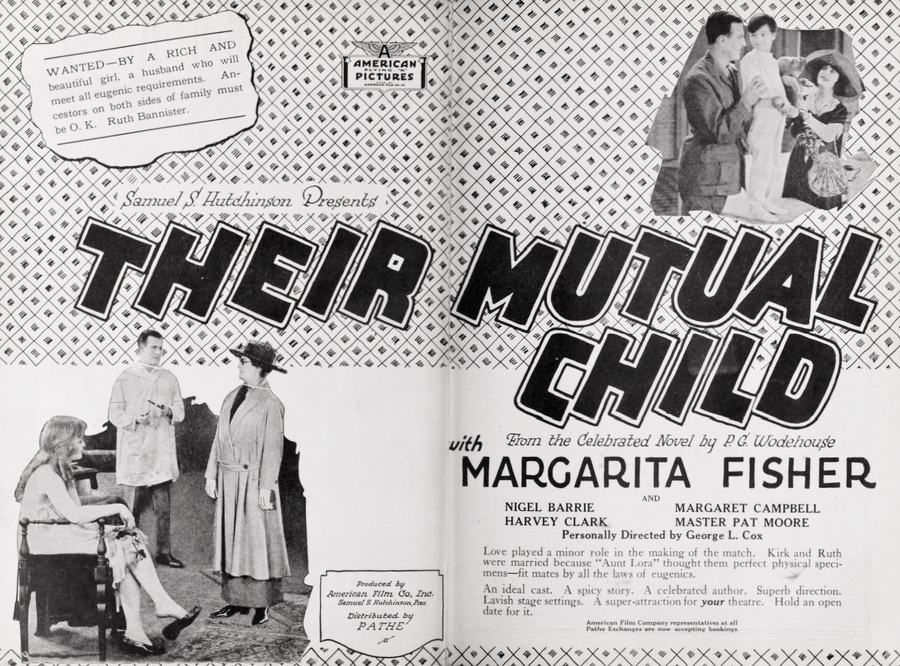
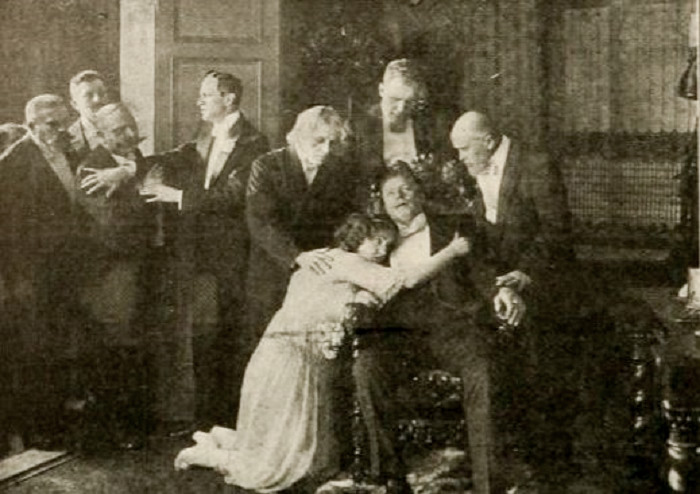
The cinematic landscape of Their Mutual Child is a rich tapestry woven from the intricate threads of love, social class, and personal growth, set against the backdrop of a bygone era. As the narrative unfolds, the audience is introduced to Ruth Bannister, the daughter of a millionaire, whose life is a poignant reflection of the societal pressures that govern her existence. The character of Aunt Lora, with her penchant for modern ideas, including eugenics, serves as a catalyst, setting in motion a chain of events that would irrevocably alter the course of Ruth's life.
The meeting between Ruth and Kirk Winfield, orchestrated by Aunt Lora, is a masterful stroke of storytelling, as it ignites a passionate and all-consuming love affair between the two. Their whirlwind romance, culminating in marriage, is a testament to the transformative power of love, which transcends the boundaries of social class and convention. However, their union is not without its challenges, as Ruth's father, disapproving of Kirk's bohemian lifestyle, disowns his daughter, forcing the young couple to navigate the complexities of their newfound independence.
As Kirk struggles to find his place within Ruth's rarefied social circle, he becomes increasingly disillusioned, feeling stifled by the conventions that govern her world. His decision to leave for South America, in search of fortune and a sense of purpose, marks a pivotal moment in the narrative, as it underscores the tensions that exist between his artistic nature and the societal expectations that surround him. The character of Steve, Kirk's friend, serves as a voice of reason, as he kidnaps the baby, taking it to a seaside cottage, where Ruth eventually reunites with her family, and in a moment of profound introspection, reevaluates her priorities, ultimately realizing her love for Kirk.
The film's exploration of themes, such as love, social class, and personal growth, is a nuanced and multifaceted one, inviting the viewer to ponder the complexities of human relationships. The character development, particularly in the context of Ruth and Kirk's relationship, is a notable aspect of the narrative, as it underscores the challenges that couples face in navigating the intricacies of their own desires, expectations, and sense of identity. The supporting cast, including the characters of Aunt Lora, Bailey, and Steve, adds depth and texture to the story, as each character brings their own unique perspective to the narrative.
In terms of cinematic technique, the film's use of dark orange hues and yellow tones serves to create a visually stunning palette, which complements the narrative's emotional depth. The incorporation of sea blue undertones, particularly in the scenes depicting the seaside cottage, adds a sense of serenity and tranquility, underscoring the redemptive power of love and nature. The film's pacing, while occasionally uneven, is generally well-balanced, allowing the viewer to become fully immersed in the world of the narrative.
In comparison to other films of the era, such as For barnets skyld and The Mixed Ladies Chorus, Their Mutual Child stands out for its thoughtful exploration of the human condition. The film's themes and character development are reminiscent of Mysteries of the Grand Hotel and The Marriage Speculation, which also grapple with the complexities of love, social class, and personal identity. The cinematic technique, particularly in the use of color and lighting, is similar to Die Liebe des Van Royk and Vultures of Society, which also employ a range of visual techniques to create a distinct atmospheric tone.
Ultimately, Their Mutual Child is a film that rewards close attention and reflection, offering a nuanced exploration of the human experience. As the narrative unfolds, the viewer is invited to ponder the complexities of love, social class, and personal growth, and to consider the ways in which these themes intersect and inform one another. The film's use of cinematic technique, combined with its thoughtful character development and nuanced exploration of themes, makes it a compelling and engaging watch, one that lingers in the mind long after the credits have rolled.
The legacy of Their Mutual Child can be seen in films such as Fehér rózsa and The Man Hunter, which also explore the complexities of human relationships and the societal expectations that govern them. The film's influence can also be seen in the work of later directors, who have drawn upon its themes and cinematic techniques to create their own unique narratives. As a result, Their Mutual Child remains a significant and enduring work of cinematic art, one that continues to captivate audiences with its thoughtful exploration of the human condition.
In conclusion, Their Mutual Child is a film that is both a product of its time and a work of enduring relevance, offering a nuanced exploration of the human experience that continues to resonate with audiences today. Its thoughtful character development, combined with its cinematic technique and nuanced exploration of themes, make it a compelling and engaging watch, one that invites the viewer to ponder the complexities of love, social class, and personal growth. As such, it remains an essential work of cinematic art, one that rewards close attention and reflection, and continues to inspire and influence filmmakers to this day.

IMDb 6.7
1932
Community
Log in to comment.