DbcultAccessing Vault...
4.6/10
Senior Film Conservator
A definitive 4.6/10 rating for a film that redefined the boundaries of cult cinema. Man by the Roadside remains a cornerstone of transgressive art.
In the vast tapestry of cinematic history, certain films, often overshadowed by their more flamboyant contemporaries, possess a quiet, profound resonance that endures long after their initial release. William Dieterle's 'Man by the Roadside' (slug: man-by-the-roadside) is unequivocally one such treasure. More than just a narrative, it’s a philosophical inquiry, a poignant parable brought to life on screen, echoing the timeless moral quandaries explored by its literary inspiration, Lev Tolstoy. This is not merely a story; it is an examination of the human spirit, the nature of charity, and the mysterious interplay of fate and consequence.
At the heart of this compelling drama stands Schuster, portrayed with a compelling blend of pathos and understated dignity, likely by the formidable Heinrich George, a titan of German cinema whose very presence could imbue a character with immense gravitas. Schuster is introduced to us as the quintessential village idiot, a figure of jest and scorn, perpetually relegated to the periphery of society. His existence is a tapestry woven with threads of hardship and isolation, a life marked by problems that seem not just difficult, but truly insurmountable. The village, a microcosm of human society, finds in Schuster a convenient target for its collective anxieties and prejudices. He is the repository for their derision, a living embodiment of their own unacknowledged fears and insecurities. Dieterle's direction, even in this nascent stage of cinematic storytelling, masterfully establishes this oppressive atmosphere, allowing us to feel the weight of Schuster's marginalization, the constant, low hum of ridicule that defines his every interaction. The film doesn't merely tell us he's ridiculed; it shows us, through subtle glances, dismissive gestures, and the palpable absence of genuine human connection.
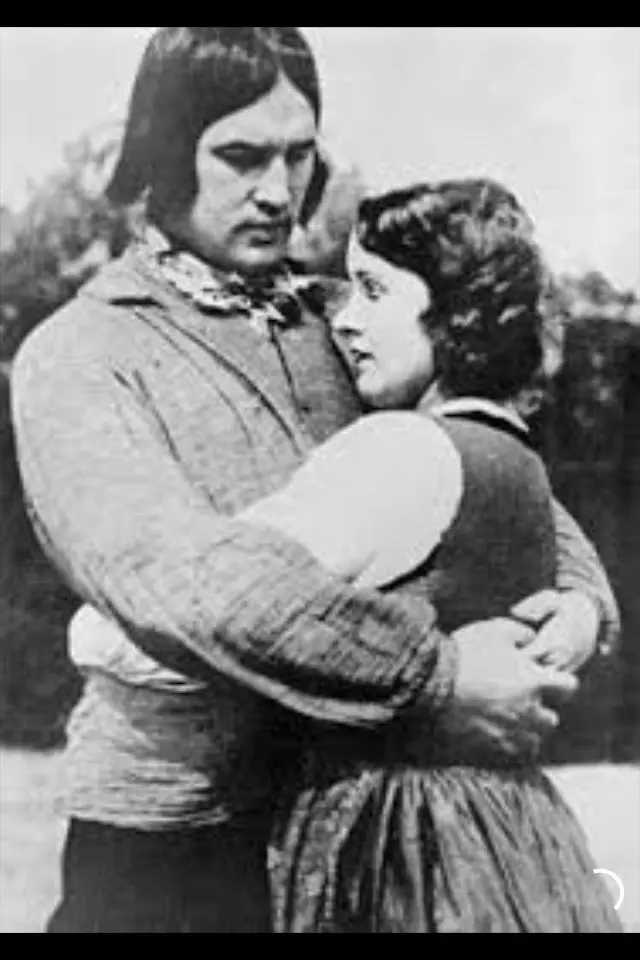
It is against this bleak backdrop that Schuster performs an act of pure, unadulterated charity. A stranger, lost and wandering, appears on the roadside – a figure perhaps as desolate and forgotten as Schuster himself. In a moment that transcends his own impoverished circumstances and the village's contempt, Schuster offers this unknown individual food and shelter for the night. This is not a calculated gesture, nor is it born of any expectation of reward or recognition. It is an instinctual outpouring of empathy, a profound human response to suffering, untainted by the complex motivations that often underpin acts of generosity in more 'respectable' quarters. The simplicity of this act is its very power. It highlights the inherent goodness that can exist even in the most maligned of individuals, a goodness often overlooked by a society quick to judge by superficial metrics. Dieterle frames this encounter with a quiet intensity, allowing the gravity of the moment to sink in without excessive melodrama. The stark contrast between Schuster's societal standing and his moral elevation in this scene is palpable.
The stranger's departure, however, is as unceremonious as their arrival. Without a word of thanks, without a backward glance, they vanish into the dawn, leaving Schuster alone once more. This lack of gratitude, seemingly a final indignity, becomes the true turning point of the narrative. It underscores the selfless nature of Schuster's act – he sought no praise, no reciprocation, and received none. Yet, it is precisely this unacknowledged kindness, this pure, unburdened act of humanity, that appears to trigger a profound and inexplicable shift in his fortunes. The film subtly suggests that true charity, offered without expectation, holds a power far beyond immediate human recognition.
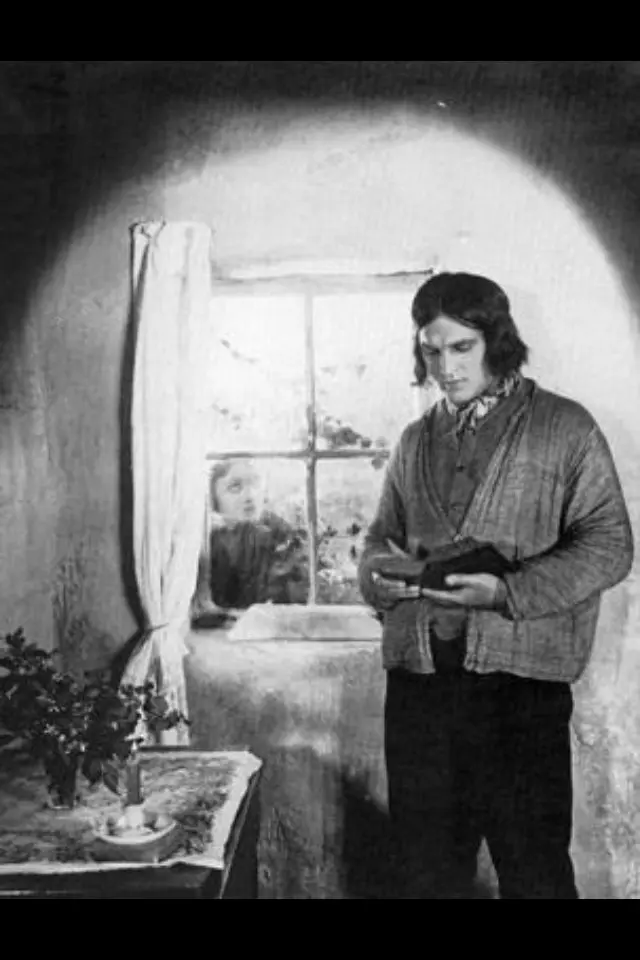
What follows is nothing short of miraculous. Schuster's luck, once a cruel joke, begins an astonishing reversal. The villagers, who once mocked him, now regard him with a newfound, if bewildered, respect. The very problems that had seemed insurmountable – perhaps financial woes, social isolation, or even physical ailments – begin to unravel and resolve themselves with an almost supernatural ease. This isn't a gradual improvement; it's a sudden, almost divine intervention that reshapes the very fabric of his existence. The film masterfully portrays this transformation not through grand gestures, but through subtle changes in the environment, in the expressions of those around him, and in Schuster's own demeanor. The weight of the world lifts from his shoulders, and he is no longer merely the 'village idiot,' but a man whose silent virtue has been inexplicably, yet profoundly, rewarded.
The thematic echoes of Lev Tolstoy's parables are undeniably strong throughout 'Man by the Roadside.' Tolstoy, listed as one of the film's writers alongside William Dieterle, frequently explored the profound moral implications of simple acts of kindness, selflessness, and the unseen hand of divine justice. His short stories, like 'God Sees the Truth, But Waits' or 'Where Love Is, God Is Also,' often feature protagonists who suffer greatly, only to find redemption or peace through an act of pure, unselfish love or charity. The stranger in 'Man by the Roadside' could easily be interpreted as an angelic figure, or perhaps an embodiment of divine observation, testing the true nature of human compassion. The film, much like Tolstoy's work, suggests that the universe itself responds to genuine virtue, irrespective of worldly recognition. This deep philosophical underpinning elevates the film beyond a simple narrative of good fortune, transforming it into a spiritual contemplation of karma, grace, and the inherent interconnectedness of human actions and cosmic consequences. The narrative encourages us to look beyond immediate results and consider the broader, often invisible, repercussions of our choices.
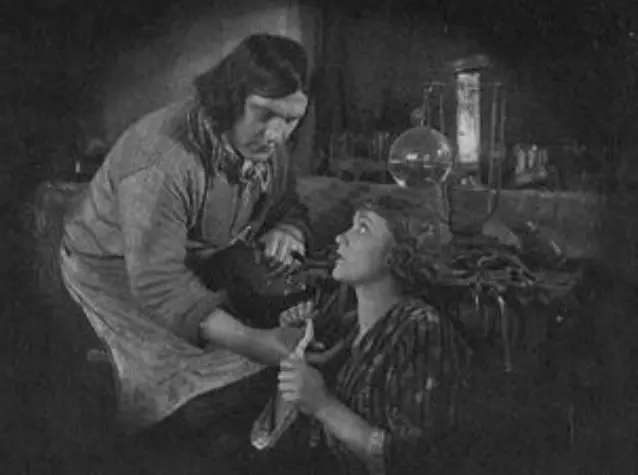
William Dieterle's directorial prowess is evident in his ability to imbue this seemingly simple story with such profound depth. His direction is characterized by a restrained elegance, allowing the moral weight of the narrative to unfold naturally. He eschews overt sentimentality, opting instead for a stark, almost documentary-like realism that makes Schuster's plight and subsequent transformation all the more impactful. The visual language of the film, even in its early form, likely uses light and shadow to great effect, emphasizing Schuster's initial darkness and his eventual emergence into a brighter existence. Dieterle’s skill lies in creating an atmosphere that feels both grounded in reality and touched by the ethereal, a world where the mundane can suddenly yield to the miraculous. His ability to draw out nuanced performances from his cast, transforming archetypes into deeply human figures, is a testament to his artistic vision. One can imagine him guiding the actors to convey emotion not through overt expressions, but through subtle shifts in posture, gaze, and silence, amplifying the film's philosophical undertones.
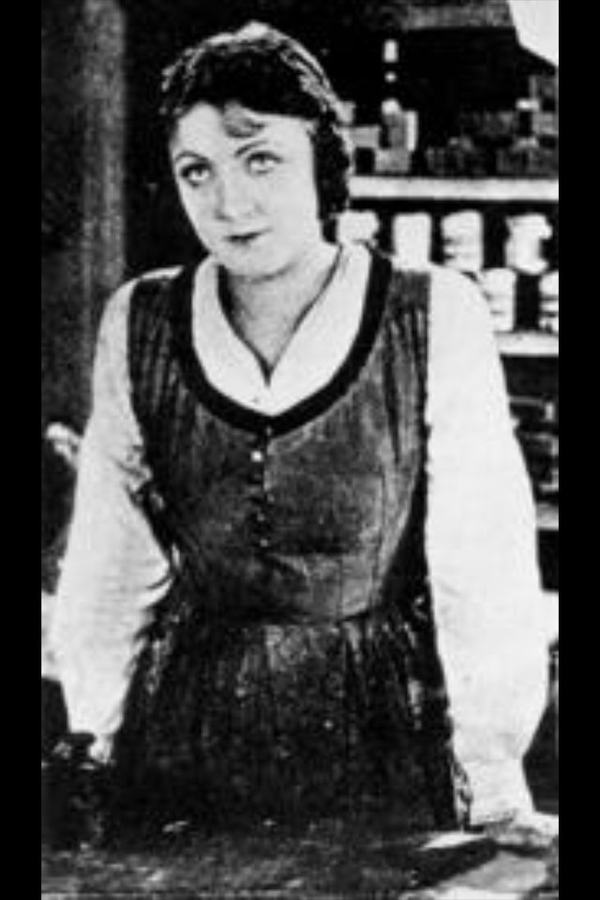
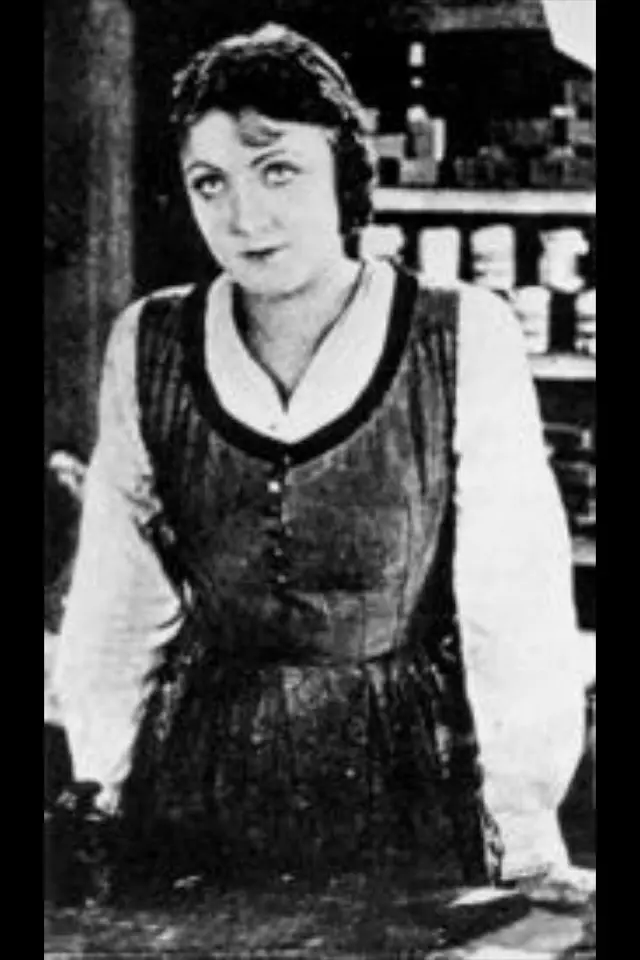
The cast of 'Man by the Roadside' is a veritable who's who of German cinema from that era, a testament to the film's artistic ambition. While the specific roles of many are not explicitly detailed in the plot summary, the presence of names like Heinrich George (likely in the central role of Schuster), Fritz Rasp, and Alexander Granach immediately suggests a caliber of acting that would elevate any production. George, known for his commanding presence and ability to convey both brute force and profound vulnerability, would have brought immense depth to Schuster's transformation. The inclusion of Marlene Dietrich, even if in a smaller or uncredited role, adds an intriguing layer of star power and historical fascination. One can only imagine her captivating presence, even in a fleeting moment, adding a touch of glamour or mystery to the ensemble. Other performers like Dolly Lorenz, Emilia Unda, Max Nemetz, Georg Hilbert, Ernst Gronau, Ludwig Rex, Fritz Kampers, Wilhelm Völcker, Liselotte Rolle, Wilhelm Diegelmann, Hermine Körner, Gerhard Bienert, Lotte Stein, Werner Pledath, William Dieterle (who also acted in his own film), Max Pohl, and Sophie Pagay would have collectively painted a vivid portrait of the village community, each contributing to the rich tapestry of human reactions to Schuster's changing fortunes. Their collective performances would have grounded the film's mystical elements in a believable, human reality, making the villagers' initial scorn and subsequent awe feel authentic.
'Man by the Roadside' emerges from a fascinating period in cinema, a time when the medium was rapidly evolving, exploring new narrative possibilities and pushing the boundaries of visual storytelling. While the specific year is not provided, the cast suggests a film from the late silent era or early sound period, possibly post-Expressionism but before the full impact of the Second World War on German cinema. Its themes, however, transcend any specific historical moment. The film's exploration of charity, gratitude, and the mysterious forces that shape human destiny remains profoundly relevant. In an age often characterized by cynicism and a transactional approach to human interaction, 'Man by the Roadside' serves as a powerful reminder of the intrinsic value of selfless giving. It subtly challenges our preconceived notions of who is worthy of help, and how acts of kindness, however small and unacknowledged, can ripple through existence with unforeseen and transformative power. The narrative invites introspection, prompting viewers to consider their own responses to those less fortunate and the potential for unseen blessings that might follow truly altruistic actions. Comparing it to a film like Blind Justice, one might find a shared thematic thread concerning the eventual, perhaps unseen, triumph of moral righteousness or the inevitable consequences of human actions, even if the specific mechanisms of 'justice' differ profoundly between the two narratives.
'Man by the Roadside' is far more than a simple fable; it is a profound cinematic experience that delves into the very core of human nature and the spiritual dimensions of existence. It is a testament to the enduring power of kindness, a quiet affirmation that good deeds, performed without expectation, are indeed seen, perhaps by forces beyond our immediate comprehension. William Dieterle, drawing from the deep well of Lev Tolstoy's philosophical insights, crafts a narrative that is both deeply moving and intellectually stimulating. The film encourages us to look beyond superficial appearances, to question societal judgments, and to believe in the possibility of an unseen, benevolent order that rewards the purity of heart. It is a film that deserves to be rediscovered, studied, and cherished for its timeless message and its profound artistic integrity. Its understated brilliance reminds us that true cinematic power often lies not in bombast, but in the quiet, transformative magic of a simple, moral tale beautifully told.
IMDb —
1926
Community
Log in to comment.