DbcultAccessing Vault...
Cult Review
Senior Film Conservator
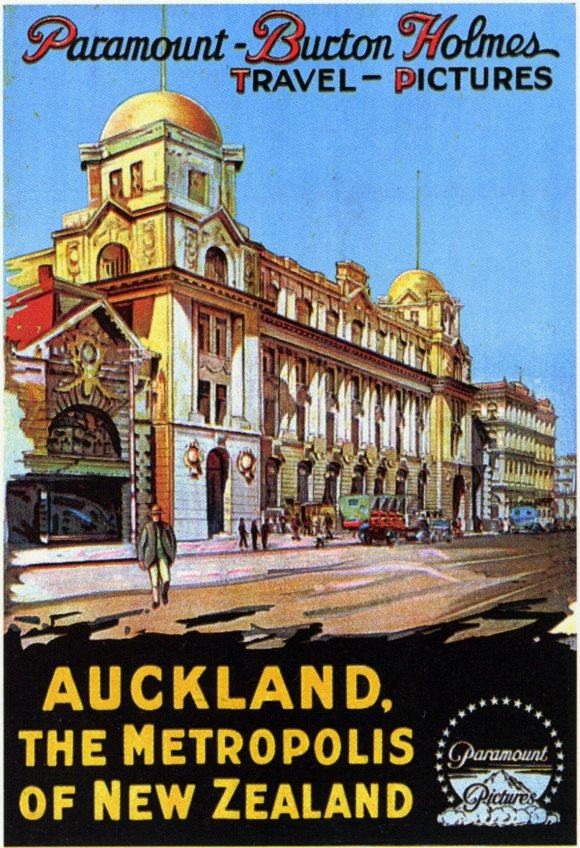
Auckland: The Metropolis of New Zealand
The opening sequence feels like a visual haiku: a slow‑motion sunrise over Rangitoto Island, the volcanic crown that watches over the harbor like a silent guardian. The camera lingers on the crater’s jagged rim, allowing the light to bleed into the water, turning the harbor into a molten mirror. This deliberate pacing sets a contemplative tone, inviting the audience to breathe in the city’s geography before its human narratives take center stage.
The film’s structure mirrors the city’s own topography—layered, uneven, and constantly shifting. After the geological prologue, we are thrust into the bustling Viaduct Harbour, where sleek yachts glide beside weathered fishing skiffs. The juxtaposition is not accidental; it underscores Auckland’s dual identity as a hub of international commerce and a community rooted in maritime tradition. The sound design here is meticulous: the clink of glass, the distant call of seagulls, the low rumble of diesel engines—all blended into an aural tapestry that feels as textured as the visual one.
A recurring motif throughout the documentary is the dialogue between past and present, embodied most poignantly in the interviews with Māori elders. Their voices, resonant and measured, recount the ancient names of the land—Tāmaki Makaurau, the “Land of a Thousand Possibilities.” These testimonies are intercut with footage of contemporary street art in K’Road, where vibrant murals reinterpret those very stories in neon pigments. The film does not merely present these elements side by side; it weaves them together, suggesting that the city’s modern vibrancy is a direct outgrowth of its indigenous roots.
The narrative then pivots to the multicultural mosaic that defines Auckland today. In Ponsonby, a bustling café serves both espresso and samosa, while a nearby park hosts a Pacific reggae concert. The camera follows a young Samoan dancer as she rehearses, her movements echoing the rhythmic sway of the harbor’s waves. This segment feels like a love letter to the city’s demographic diversity, celebrating the way cultures intersect in everyday spaces.
Architectural commentary is another thread that runs through the film with quiet authority. The Sky Tower, a gleaming needle piercing the clouds, is presented not merely as an engineering marvel but as a symbol of Auckland’s aspirations toward global relevance. In contrast, the Art Deco façades of the historic Civic Theatre are treated with reverence, their ornate details highlighted in close‑up shots that linger long enough to let the viewer appreciate the craftsmanship. The film’s cinematographer employs a palette that shifts from the cool sea blues of the waterfront to the warm amber of sunset, mirroring the city’s own chromatic diversity.
Urban planning debates surface in a series of candid conversations with city officials. One planner, gesturing toward a sprawling map of proposed high‑rise developments, speaks of “growth” while a dockworker, his hands stained with oil, counters with concerns about eroding community identity. The tension is palpable, and the film refrains from offering a tidy resolution, instead allowing the audience to sit with the complexity of progress versus preservation.
When the documentary turns its lens toward the natural environment, the narrative takes on an almost lyrical quality. Aerial shots sweep over the Waitematā Harbour, revealing the intricate network of islands that dot the water like pearls. The camera then dives beneath the surface, capturing schools of fish darting through kelp forests, a reminder that the city’s lifeblood is as much aquatic as it is terrestrial.
Comparatively, the film shares a thematic kinship with Samhällets dom, which also interrogates the social contracts that bind a community, though Auckland’s focus is more celebratory than critical. The investigative rigor of U kamina finds a softer echo in the documentary’s probing of urban development, while the emotional resonance of The Love That Lives is mirrored in the tender portrayals of intergenerational family moments on the city’s beaches.
The film’s pacing accelerates as night falls. A time‑lapse sequence captures the city’s transformation: streetlights flicker on, neon signs buzz to life, and the Sky Tower’s beacon sweeps across the darkness. The soundtrack swells with a haunting waiata, its lyrics speaking of “the sea that remembers” and “the mountain that watches.” This auditory climax ties together the film’s visual motifs, reinforcing the idea that Auckland is a living organism, constantly breathing, constantly evolving.
In terms of cinematic lineage, the documentary’s reverence for place aligns it with the observational style of Hands Up (1918), yet its modern aesthetic—sharp color grading, fluid drone work—places it firmly in the 21st‑century documentary tradition. The narrative’s focus on cultural hybridity also resonates with Herod, albeit without the historical dramatization, opting instead for a present‑day tableau.
The film does not shy away from the city’s challenges. A segment on housing affordability features a young couple navigating the cramped interiors of a converted warehouse loft, their conversation punctuated by the distant hum of construction. The juxtaposition of their intimate domestic space against the backdrop of towering cranes underscores the paradox of a city that offers both opportunity and constraint.
While the documentary refrains from overt advocacy, its visual choices speak volumes. The recurring motif of water—harbor, rain, surf—serves as a metaphor for fluidity, suggesting that the city’s identity is not fixed but perpetually reshaped by currents both natural and sociopolitical.
The final tableau is a sweeping aerial shot that pulls back to reveal Auckland as a constellation of lights against the night sky, each light a story, each story a thread in the larger tapestry. The camera lingers just long enough for the viewer to feel the weight of that collective narrative before the screen fades to black.
In the broader context of cinematic portrayals of urban spaces, Auckland: The Metropolis of New Zealand stands alongside works like Den hvide rytterske and The Plunderer, which also treat cities as characters in their own right. However, this film distinguishes itself through its seamless integration of geological, cultural, and socioeconomic strands, creating a holistic portrait that feels both intimate and expansive.
The documentary’s strength lies in its refusal to simplify. It presents Auckland not as a polished tourist brochure but as a complex organism—volcanic, maritime, multicultural, and ever‑changing. Its visual poetry, combined with thoughtful interviews and a resonant soundtrack, invites viewers to contemplate the delicate balance between growth and heritage, between the sky‑piercing tower and the ancient mountain.
For anyone seeking a nuanced, aesthetically rich exploration of a city that defies easy categorization, this film offers a compelling invitation to look beyond the postcards and engage with the lived realities that shape Auckland’s present and future.
Community
Log in to comment.