DbcultAccessing Vault...
Cult Review
Senior Film Conservator
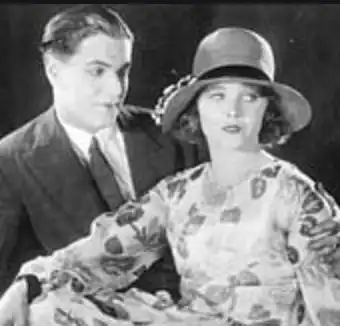
Alright, let’s talk about Manege. This one’s a tough sell for most viewers today. If you're not already deep into the nooks and crannies of silent German cinema, this 1927 effort will likely test your patience. But for those who appreciate the often clunky charm, the theatricality, and the sheer visual ambition of the era, there are certainly things to chew on. Expect melodrama, some truly impressive set pieces, and a story that occasionally loses its footing, sometimes quite literally.
Who’s it for? Definitely silent film aficionados, especially those interested in the grand, almost operatic style that dominated German productions before the sound era. If you're looking for modern pacing or subtle performances, you'll probably hate it. This is a film that demands you lean in, accept its conventions, and perhaps even forgive its excesses.
The opening scenes, establishing the circus setting, are genuinely captivating. The scale, the energy – it’s all there. You get a real sense of the big top as a world unto itself. The camera takes its time soaking in the various acts, and for a good fifteen minutes, it feels like it could be a really vibrant documentary-style piece on circus life. Then the plot kicks in, and things get... heavier.
Our two tightrope-walking brothers, Ralph and Gaston, played by Valy Arnheim and Raimondo Van Riel respectively, have a rivalry. It’s supposed to be about a woman, but honestly, the initial object of their affection (Mary Johnson) feels more like a narrative device than a character. Her reactions are mostly wide-eyed and distressed, which is a silent film staple, but here it just makes her feel a little inert. You almost wonder if the script just needed a reason for the brothers to glare at each other more intensely.
Raimondo Van Riel, as Gaston, is actually quite good at the sneering, conflicted brother routine. He has this way of looking off-screen, a kind of internal struggle that comes through even with the broad gestures. Valy Arnheim’s Ralph, on the other hand, is a bit too earnest, too perfectly heroic. You can almost feel him trying to telegraph 'good guy' with every single movement. It’s not terrible, just a bit one-note.
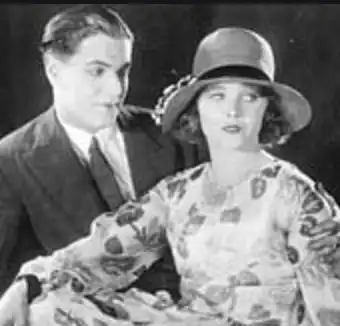
The tightrope sequences themselves are a mixed bag. Some close-ups are clearly on a low wire, or even a stage, but then a wide shot will come along and really sell the height and danger. There’s one particular shot, looking down from Ralph’s perspective, that’s genuinely dizzying. It makes you momentarily forget the film’s age.
The pacing, though. Oh, the pacing. There are moments that stretch on far too long. A reaction shot of a worried clown, for example, lingers so much it becomes funny, but probably not in the way intended. And a scene where Ralph is just brooding in his tent, contemplating his next move, feels like it goes on for a full minute longer than necessary. It pulls you out of the drama, making you check the timestamp.
Then there's Valerie Boothby as the young aerialist, the one Ralph tries to rescue. Her distress is constant, a perpetual state of wide-eyed fear under the thumb of her stepfather, the ringmaster (Kurt Gerron). Gerron, as the villain, is exactly what you’d expect: all exaggerated menace, twirling his mustache (metaphorically) and cracking his whip (literally, in the title cards). His costume is a little too perfectly villainous, almost a caricature, but it fits the film’s overall theatricality. The sound of his whip, even in a silent film, feels surprisingly loud in your head, a testament to Gerron's physical performance.
The tension builds when Ralph finally confronts the ringmaster. The editing here is surprisingly effective, rapid cuts between their faces, creating a genuine sense of imminent conflict. But then, almost immediately, it cuts to that clown again, looking worried. It’s a strange tonal shift, like the film suddenly remembered it needed a touch of comic relief right in the middle of a serious confrontation, and it just doesn't land.
The climax, the big rescue, feels a bit rushed after all the build-up. It's over almost as soon as it begins, and the resolution feels a little too neat, a little too quickly tied up with a bow. You spend so much time watching Ralph brood, only for the actual heroic act to be dispatched rather efficiently. It leaves you feeling a little short-changed.
Ultimately, Manege is a curious artifact. It has flashes of brilliance, particularly in its visual storytelling of the circus itself, and some performances that truly stand out (Van Riel). But it’s weighed down by some of the genre’s common pitfalls: overlong scenes, a lack of character depth for the women, and a plot that can feel a bit predictable. It’s a film that asks for patience, and in return, offers glimpses into a bygone era of cinematic spectacle.

IMDb —
1935
Community
Log in to comment.