DbcultAccessing Vault...
Cult Review
Senior Film Conservator
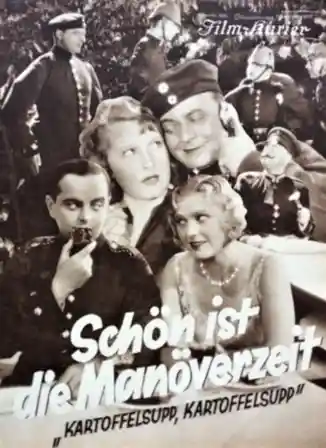
"Manoeuvre Time Is Fine" – sounds a bit dry, right? But if you're into those old-school European thrillers where the tension builds slow, *really* slow, you might find something here. It’s definitely not for folks needing constant action or quick cuts. If you like your movies to feel like a ticking clock, but a really, really old clock that might just stop any second, then pull up a chair. Everyone else? You’ll probably be checking your watch. 😴
Honestly, the whole thing just sort of *unfurls*. It’s a caper, I guess, about a very particular moment a group needs to seize. We follow Lilian Ellis’s character, Eleonore, mostly, as she navigates hushed conversations and strange, empty rooms. She's got this quiet intensity that really holds the frame.
You can almost feel the air get thick when Eleonore is just… waiting. There's this one scene, maybe 20 minutes in, where she’s just staring out a window. For what feels like ages. The camera just holds on her profile. You start to wonder if the projectionist fell asleep. But then, *ping*, a tram goes by, and her eyes shift, almost imperceptibly. That’s the movie right there. 🕰️
The film is really fascinated with *time*. Not just the title, but the constant presence of clocks. Grandfather clocks, wristwatches, even the chime of a distant church bell. They’re always there, reminding you that whatever they’re up to, the window is closing. Or opening. It’s a little heavy-handed, sure, but it works to set a mood.
Gretl Theimer plays this almost ridiculously glamorous contact, Madame Dubois. Her entrance, sipping coffee in a remarkably quiet cafe, feels like something out of another film entirely. She says maybe three lines, but her *look* when she hands over that small, unmarked envelope? It speaks volumes. And then she’s gone. Poof. 👋
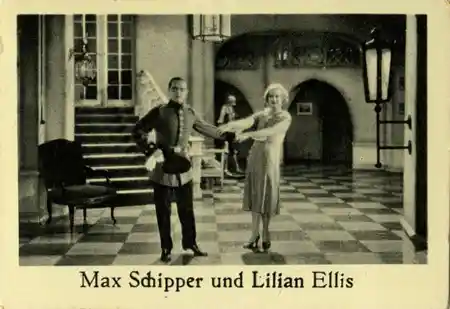
Oscar Sabo’s character, the gruff Inspector, is equally memorable. He’s always just a step behind, or so it seems. His constant exasperated sighs, even when he's just walking down a corridor, are kinda funny after a while. One shot of him trying to light a cigarette in a gale-force wind, and just failing repeatedly, *that’s* what stuck with me.
The actual “manoeuvre” itself is… well, it’s not what you expect. It’s not a big shootout or a car chase. It's more like a subtle exchange, a misplaced item, a timed phone call. The tension comes from the *fear* of something going wrong, not from actual chaos. The crowd scenes have this oddly empty feeling, like half the extras wandered off, making the stakes feel more personal, somehow.
One moment, maybe my favourite: Eleonore is in a train station, watching a specific platform. The train pulls in, people get off, and she just scans the faces. And scans. And scans. Then she sees what she’s looking for – a man with a specific newspaper. But the camera doesn't cut to him immediately. It stays on *her* face for another beat, letting you feel her relief, or maybe her dread. It’s a bold choice. 🤔
The ending feels a little abrupt, like they just ran out of film, or decided the point was made. It doesn't tie everything up neatly, which I actually appreciate. It just… *ends*. You're left thinking about what *might* happen next, which is more powerful than a tidy conclusion, I think.
So, is "Manoeuvre Time Is Fine" a classic? Probably not in the grand sense. But it's a fascinating watch if you're in the mood for something different, something that demands your attention in a very quiet way. It’s got a strange charm, a *very* particular rhythm. Don’t go in expecting Hollywood, and you might just get something interesting.
IMDb 5.5
1930
Community
Log in to comment.