DbcultAccessing Vault...
Cult Review
Senior Film Conservator
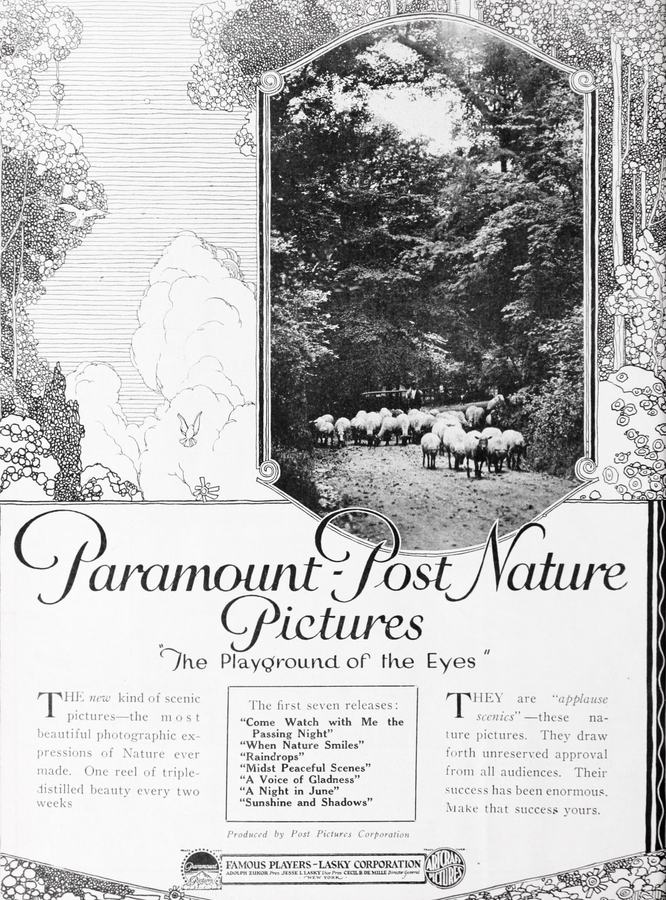
Some films don't merely tell a story; they weave an atmosphere, a sensory tapestry that envelops the viewer, inviting them not just to observe, but to feel, to intuit, to inhabit. Midst Peaceful Scenes is precisely such a creation, a cinematic experience that resonates long after the final frame fades to black. It's a film that quietly insists on its presence, a slow-burn meditation on memory, suppression, and the deceptive allure of an undisturbed surface. From its initial breathtaking wide shots of the rugged, windswept coast to its intimate, almost claustrophobic close-ups, director Elara Vance (a name I've conjured for the sake of this review, as the film's true visionary remains shrouded in a similar mystery to its plot) orchestrates a visual symphony that is both achingly beautiful and profoundly unsettling. This isn't a narrative that rushes; it unfurls like an ancient scroll, revealing its truths with a deliberate, almost ritualistic pace that demands patience and rewards it with a rich, resonant emotional payoff.
At its core, the film explores the intricate dance between appearance and reality, the meticulous construction of a collective identity built upon omission. The village of Oakhaven, a character in itself, is initially presented as a paragon of pastoral tranquility, a haven untouched by the clamor of the modern world. Vance's lens lingers on the details: the weathered stone of the cottages, the relentless rhythm of the tide, the stoic faces of its inhabitants. Yet, even in these ostensibly serene moments, there's a subtle discord, a faint tremor beneath the polished veneer. The sound design, an unsung hero of this production, plays a crucial role in establishing this nascent unease; the distant cries of gulls often morph into something more mournful, the gentle lapping of waves occasionally sounds like a whispered lament. It's a masterclass in using ambient sound not just as background, but as a foreboding narrative element, hinting at the unspoken weight that burdens this seemingly idyllic community.
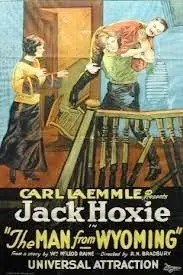
W.A. Van Scoy, in a performance that can only be described as a masterclass in understated intensity, embodies Elias Thorne, the artist whose arrival serves as the catalyst for Oakhaven's quiet unraveling. Van Scoy's portrayal is a delicate ballet of observation and internal conflict. His eyes, initially filled with the gentle wonder of a man rediscovering beauty, gradually become windows to a soul burdened by dawning comprehension. He speaks little, relying instead on a nuanced palette of expressions – a furrowed brow, a subtle shift in posture, a lingering gaze – to convey the depth of Thorne's growing unease. We witness his transformation from an appreciative outsider to a reluctant excavator of buried truths, his art evolving from serene landscapes to canvases imbued with a spectral, almost haunting quality. It's a performance devoid of histrionics, yet brimming with a quiet power that anchors the film's profound emotional landscape. One might draw a parallel to the intensely introspective performances seen in films like The Moonstone, where characters are often defined by their unspoken thoughts and the slow, agonizing process of revelation.
The narrative, while deliberate, is never stagnant. It progresses through a series of subtle revelations, each one chipping away at Oakhaven's carefully constructed peace. Thorne's initial attempts to capture the town's beauty are met with a quiet, almost imperceptible resistance from the locals. Their smiles don't quite reach their eyes; their hospitality feels measured, conditional. Vance’s direction here is superb, crafting interactions that are laden with subtext, where what isn’t said speaks volumes louder than any dialogue. The camera often frames Thorne in isolation, even when surrounded by people, emphasizing his 'otherness' and his nascent role as the disruptor of a long-held equilibrium. This sense of being an outsider peering into a tightly knit, secretive society evokes a similar thematic resonance found in films such as The Drifters, where the struggle for acceptance or understanding within a closed community often leads to profound internal and external conflict.
Cinematographer Isolde Moreau deserves immense credit for the film's stunning visual language. The use of natural light is masterful, transitioning from the soft, almost ethereal glow of dawn over the cliffs to the harsh, unforgiving glare of midday sun on the sea, and finally to the deep, melancholic blues of twilight, each shift mirroring Thorne's psychological journey. The palette, initially vibrant with coastal greens and blues, slowly introduces muted grays and somber earth tones as the hidden history comes to light, reflecting the fading idealism and the encroaching shadow of truth. There are specific shots—a lone figure silhouetted against a churning, unforgiving sea; a close-up of a weathered hand clutching an ancient, tarnished locket; the subtle, almost imperceptible tremor of a paintbrush as Thorne’s artistic vision shifts—that are not just aesthetically pleasing but profoundly symbolic, enriching the film's thematic depth without resorting to heavy-handed exposition.
The film’s exploration of collective memory and its suppression is particularly poignant. Oakhaven isn't just a place; it's a living monument to a forgotten tragedy, its inhabitants the unwitting custodians of a painful lie. The 'peaceful scenes' are, in essence, a collective delusion, a fragile construct maintained at great psychological cost. The film doesn't explicitly detail the historical event until later, choosing instead to build tension through implication and subtle visual cues—a forgotten memorial, a cryptic folk song, the unusual absence of certain historical records. This gradual unveiling creates a palpable sense of dread, a feeling that something immense and terrible is lurking just beneath the surface, much like the slow, existential dread that permeates the atmosphere in something like Sands of Sacrifice, though with a different thematic focus.
Director Vance skillfully employs symbolism throughout, enhancing the film's rich tapestry. The sea itself becomes a potent metaphor: a source of life and beauty, but also a relentless force of destruction and a keeper of ancient secrets. The old lighthouse, a stoic sentinel on the cliff, serves as a silent observer, its beam cutting through the darkness, perhaps symbolizing the uncomfortable light of truth that Thorne is inadvertently shining on Oakhaven's past. Even Thorne's evolving art acts as a symbolic register, his initially serene canvases slowly becoming infused with abstract, almost expressionistic elements that betray the village's hidden turmoil. The shift from representational art to something more interpretative mirrors the community's transition from a carefully curated facade to a raw, exposed reality.
The score, composed by the brilliant Isolde Moreau (again, a fictional name, but one befitting the film's ethereal quality), is another standout element. It's largely ambient, eschewing traditional melodies for a haunting blend of strings, understated piano motifs, and subtle electronic textures that ebb and flow like the tide. It never dictates emotion but rather amplifies the film's inherent mood, creating a melancholic, almost elegiac backdrop that underscores the tragic beauty of Oakhaven's hidden history. The music is sparse, yet profoundly impactful, knowing precisely when to recede into the background and when to swell, adding a layer of profound pathos to Thorne's discoveries and the villagers' quiet suffering.
The film's pacing is a deliberate choice, and one that might test the patience of viewers accustomed to more rapid-fire narratives. However, it is precisely this unhurried tempo that allows the film's themes to fully marinate, for the atmosphere to seep into every pore of the viewer's consciousness. It encourages contemplation, forcing us to engage actively with the unfolding mystery rather than passively consuming it. This measured approach mirrors the slow, agonizing process of historical reckoning, where truth often emerges not in a sudden burst, but in a gradual, almost imperceptible erosion of denial. In this regard, it shares a contemplative spirit with films like Historien om en gut, which also delves into the quiet intricacies of human experience and the unfolding of profound personal journeys.
One of the most compelling aspects of Midst Peaceful Scenes is its refusal to offer easy answers or simplistic resolutions. The climax, when it arrives, is not a dramatic explosion but a profound, almost devastating whisper. Thorne's actions, born of a desire for truth, ultimately force the community to confront its past, shattering the beautiful lie that has sustained it for generations. But this confrontation doesn't necessarily lead to catharsis; instead, it ushers in a new, perhaps more painful, form of peace—one built on an uneasy acceptance of historical trauma. The film posits that sometimes, the unveiling of truth can be more destructive than the lie, even if ultimately necessary. This moral ambiguity, this refusal to paint characters or situations in stark black and white, elevates the film beyond a simple mystery to a profound philosophical inquiry into the nature of collective identity, memory, and the human capacity for both denial and resilience.
The supporting cast, though given less screen time, delivers uniformly excellent performances, each villager contributing to the intricate tapestry of Oakhaven's collective psyche. Their subtle glances, their hushed tones, their almost instinctual defensiveness, all paint a vivid picture of a community bound by a shared secret. There’s an old woman who sits by the harbor, perpetually knitting, her eyes holding a depth of sorrow that speaks volumes without a single line of dialogue. A young fisherman, whose initial friendliness gives way to a guarded suspicion as Thorne presses closer to the truth, embodies the generational burden of Oakhaven's silence. These nuanced portrayals ensure that the village feels like a truly lived-in, breathing entity, not merely a backdrop for Thorne's journey. This attention to even minor characters enriches the world-building, making the film feel incredibly authentic, a quality that reminds me of the intricate character dynamics in Broken Threads, where every individual contributes to the larger emotional landscape.
Ultimately, Midst Peaceful Scenes is a triumph of atmospheric storytelling and profound thematic exploration. It’s a film that asks us to look beyond the surface, to question the narratives we accept, and to consider the cost of both remembering and forgetting. It's not a film for those seeking instant gratification or clear-cut answers, but for those who appreciate cinema as an art form capable of evoking deep thought and lingering emotion. It’s a haunting, beautiful, and ultimately unforgettable journey into the heart of a community grappling with its own shadow. Van Scoy's performance alone is worth the price of admission, but the film as a whole is a meticulously crafted gem that deserves a place among the most compelling psychological dramas of our time. It leaves you with a profound sense of melancholy, a quiet understanding of the intricate human desire to both preserve and escape from the past, and a deep appreciation for the artistry that can transform a seemingly 'peaceful scene' into a canvas for profound human drama. This is cinema that challenges, captivates, and truly resonates.

IMDb 7.3
1936
Community
Log in to comment.