DbcultAccessing Vault...
Cult Review
Senior Film Conservator
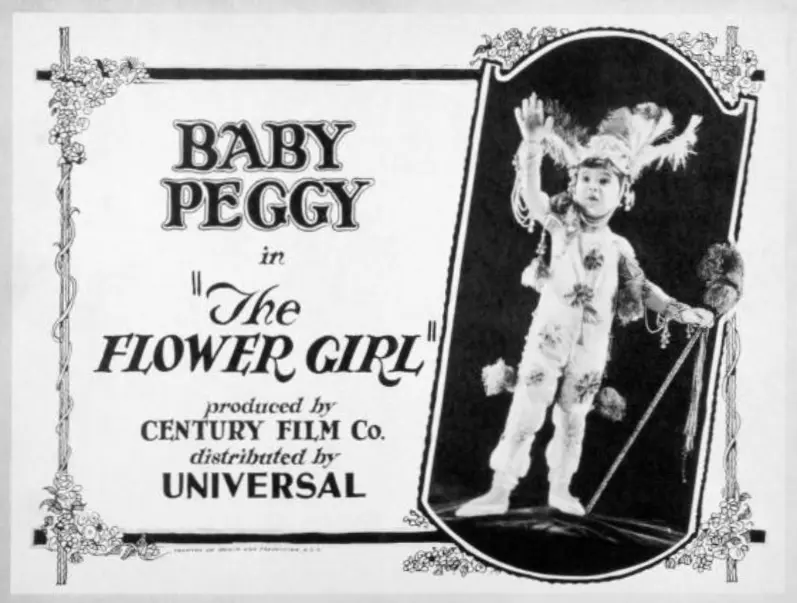
The Flower Girl is a charming and evocative portrayal of a young girl’s life in 1920s Paris, where survival intertwines with artistic expression. Directed with a delicate touch, the narrative is centered around Baby Peggy, a homeless girl who earns her living by selling flowers on the streets of Paris, accompanied by her loyal canine companion, Buddy. This simple setup sets the stage for a tale that is both tender and profound, as Peggy’s life takes an unexpected turn when she is discovered by a renowned artist.
The film opens with a poignant scene that encapsulates the harsh reality of Peggy’s existence, yet it is tinged with a sense of hope and resilience. The cinematography is striking, capturing the vibrant colors and bustling life of Paris, from the cobblestone streets to the bustling marketplaces. The director’s choice to use these scenes as backdrops for Peggy’s daily routine serves to highlight the contrast between her ordinary life and the extraordinary events that unfold.
Joe Moore and Billy Franey, as the artist and Buddy, respectively, bring a natural charm to their roles. Their performances are understated yet profound, allowing the audience to connect deeply with their characters. Baby Peggy, played by the talented child actress, brings an authenticity to the role that is both moving and captivating. Her portrayal of a girl who is both vulnerable and strong is a testament to the skillful direction and the trust in the child actor to convey complex emotions through simple expressions and actions.
The plot thickens as the artist invites Peggy to his studio, where she becomes the subject of his paintings. This pivotal moment not only marks a turning point in Peggy’s life but also sets the stage for the film’s exploration of fame and its impact on individuals. The artist’s encouragement and the recognition that his paintings receive from critics and the public serve as a catalyst for Peggy’s newfound status. This journey of transformation is beautifully woven into the narrative, making the film more than just a story of a girl’s ascent to fame; it is an exploration of how art can transcend social boundaries and change lives.
The film is not without its flaws. Some scenes feel a bit didactic, as if the director is trying to convey a specific message about the power of art and the resilience of the human spirit. However, these moments are balanced by the film’s overall charm and the undeniable talent of its child star. The musical score, while not groundbreaking, enhances the emotional depth of the film, particularly in scenes that highlight the bond between Peggy and Buddy.
Comparatively, 'The Flower Girl' shares similarities with other films of its era, such as The Little Intruder, which also explores the resilience of young characters in challenging circumstances. However, 'The Flower Girl' stands out for its focus on the intersection of art and everyday life, making it a unique and compelling addition to the genre. It is a film that, despite its simplicity, manages to evoke a wide range of emotions and leave a lasting impression on the viewer.
In conclusion, 'The Flower Girl' is a delightful and heartwarming film that celebrates the power of art and the strength of the human spirit. It is a testament to the enduring impact of storytelling and the art of cinema in capturing the essence of human experiences. Whether viewed as a historical document or as a piece of art in its own right, 'The Flower Girl' is a film that deserves to be watched and appreciated for its timeless charm and emotional depth.

IMDb 8
1934
Community
Log in to comment.