DbcultAccessing Vault...
Cult Review
Senior Film Conservator
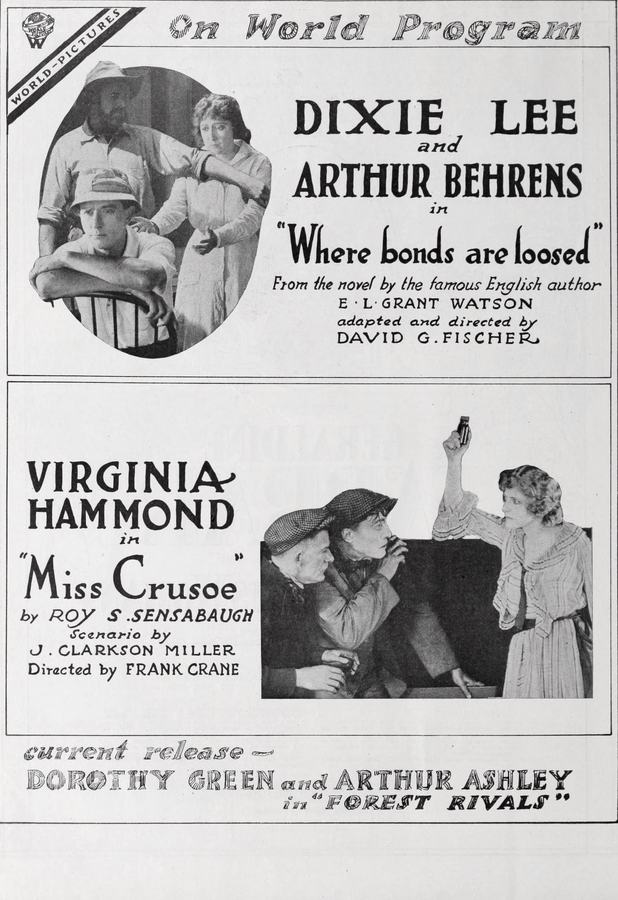
Stepping into the world of Miss Crusoe, a cinematic offering from 1924, feels akin to unearthing a forgotten treasure map, its contours hinting at an adventure both quaint and profoundly engaging. In an era often characterized by grand epics and melodramatic flourishes, this film carves out its own distinct niche, delivering a narrative that deftly weaves together elements of daring escapism, unexpected romance, and a surprisingly sharp wit. It's a testament to the ingenuity of early filmmakers like J. Clarkson Miller and Roy S. Sensabaugh, the minds behind this particular escapade, that they could craft such a compelling story with the visual language of the silent screen.
At its heart lies Dorothy Evans, portrayed with an understated charm and burgeoning agency, a chemistry teacher whose life in her aunt's girls' school, one suspects, feels more like a carefully measured experiment than a vibrant existence. The film wastes no time in establishing her yearning for something more, a desire for the unpredictable that chafes against the predictable routines of academia. This isn't merely a character seeking a holiday; it's a soul longing for an odyssey, a sentiment that resonates deeply with anyone who has ever felt the pull of the unknown. Her aunt, a figure whose preference for men's attire subtly challenges gender norms of the time, adds another intriguing layer to the domestic dynamic, hinting at a household where conventions are perhaps more fluid than rigid. This small detail, often overlooked, speaks volumes about the film's quiet, progressive undertones.
Their journey to a secluded Chesapeake Bay island, intended as a tranquil retreat, quickly morphs into something far more exhilarating. The inciting incident, witnessing officers in pursuit of an escaping prisoner, a man plunging dramatically into the water, immediately sets a tone of heightened stakes. It’s a classic silent film tableau – the frantic chase, the desperate dive – executed with a kinetic energy that belies the film's age. This moment isn't just a plot device; it's a visual prophecy, foreshadowing the intrusion of danger and excitement into Dorothy’s carefully contained world. The world of Miss Crusoe, it quickly becomes apparent, is one where the mundane can shatter into the extraordinary at any given moment.
Upon their arrival at the island cottage, the discovery of it recently vacated by a gang of crooks, who, in their haste, left behind a bottle of nitroglycerin, elevates the narrative from simple adventure to a genuine thriller. Here, Dorothy’s background as a chemistry teacher isn't just an arbitrary detail; it becomes her superpower. Her immediate recognition of the volatile substance, her swift and decisive action to neutralize the threat by emptying it into the bay, and her ingenious decision to refill the bottle with her aunt’s heart medication, are moments of pure, unadulterated cleverness. This sequence is a masterclass in establishing character agency and intelligence through action, rather than exposition. It empowers Dorothy, transforming her from a yearning spectator into an active participant in the unfolding drama. It’s a delightful twist, reminiscent of the resourceful protagonists found in films like The Mischief Maker, where cunning often trumps brute force.
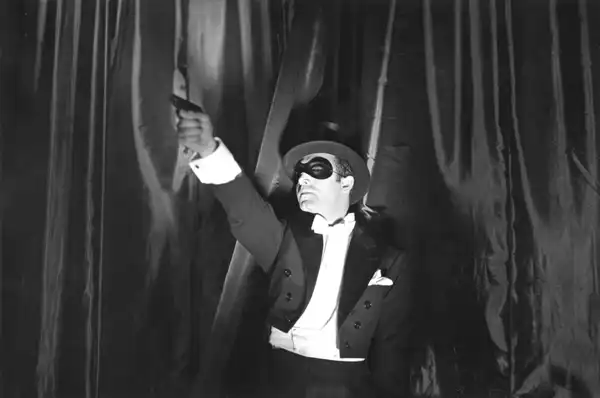
The narrative then coils tighter with the unexpected appearance of the very prisoner from the boat, now harbored by the same criminal element. When he is dispatched to retrieve the 'soup,' the gang’s euphemism for the explosive, the tension becomes palpable. Dorothy, armed with a revolver and an admirable resolve, confronts him, leading to a scene that is both suspenseful and surprisingly intimate. The initial standoff, fraught with danger, gradually dissolves into an unlikely connection. Rod La Rocque, as the 'prisoner,' imbues his character with a compelling blend of vulnerability and underlying strength, making the burgeoning romance with Dorothy feel earned rather than contrived. Their developing relationship, born from shared peril and mutual respect, forms the emotional core of the film, adding a layer of depth to the thrilling plot. It echoes the unexpected bonds forged in isolation, much like the themes explored in Dolly's Vacation, where new environments often lead to transformative encounters.
The climax, when the gang returns to rescue their captive, is a thrilling culmination of all the preceding elements. The 'prisoner' reveals his true colors, fighting alongside Dorothy with a ferocity that hints at a hidden past. But it is Dorothy's quick thinking, her threat to drop the now-harmless 'nitro' bottle, that ultimately leads to the gang's capture. This moment is a powerful affirmation of her intelligence and bravery, solidifying her transformation from a constrained teacher to a genuine heroine. It’s a clever narrative device, playing on the criminals' perception of the bottle's contents, and a satisfying payoff to Dorothy's earlier ingenuity. The film, through such moments, champions intellect and resourcefulness over brute strength, a refreshing perspective for its time.
The final reveal, that the 'prisoner' is none other than Harold Vance, a celebrated detective, brings the story to a delightful close. This twist, while perhaps a common trope in adventure stories of the era, is executed with charming flair, cementing the romance that has blossomed under the most extraordinary circumstances. Dorothy’s adventure, far from being a mere vacation, has led her to love, excitement, and a partner who shares her adventurous spirit. The impending marriage feels like a natural and joyful conclusion to a journey that began with a quiet yearning and ended with a triumphant embrace of the unexpected. It's a narrative trajectory that, while perhaps less overtly political than something like Mr. Logan, U.S.A., still celebrates individual initiative and the triumph of good.
The performances across the board are commendable, especially considering the constraints of silent cinema. Rod La Rocque, a prominent leading man of the era, delivers a nuanced portrayal of Harold Vance, conveying both his initial desperation and his eventual heroic nature through subtle gestures and expressive eyes. His chemistry with Dorothy, though wordless, is palpable, a testament to his acting prowess. Virginia Hammond, as Dorothy's aunt, provides delightful comic relief and a touch of progressive flair, her desire for men's clothes a charmingly rebellious detail that adds texture to the supporting cast. The villains, while perhaps broadly drawn, serve their purpose effectively, providing a tangible threat that propels the plot forward. The ensemble, including Eddie Sturgis and Richard Taber among others, contributes to a cohesive and engaging narrative tapestry.
J. Clarkson Miller and Roy S. Sensabaugh, as the writers, deserve significant credit for constructing a plot that, despite its fantastical elements, remains grounded in character motivation and logical progression. The pacing is brisk, never allowing the audience's attention to wane, and the twists are deployed with precision, ensuring maximum impact. The narrative avoids unnecessary digressions, maintaining a laser focus on Dorothy's journey and the central mystery. It's a tightly constructed screenplay that understands the demands of the silent medium, relying on visual storytelling and clear character arcs to convey its message. The economy of storytelling here is particularly impressive, allowing complex emotions and intricate plot points to unfold without a single spoken word, a skill that sets apart the truly enduring silent films from the merely passable. In this regard, it shares a certain narrative efficiency with films like The Gods of Fate, where every scene serves a clear purpose.
The direction, while uncredited for a specific individual, effectively utilizes the island setting, transforming it from a mere backdrop into an active participant in the story. The isolation of the locale amplifies the sense of danger and enhances the intimacy of the burgeoning romance. The cinematography, though perhaps not groundbreaking by today's standards, is competent and serves the story well, capturing the drama of the chase, the tension of the confrontation, and the quiet moments of connection with equal clarity. The use of close-ups to convey emotion, a hallmark of silent cinema, is employed judiciously, allowing the audience to connect deeply with the characters' inner lives. It’s the kind of solid, workmanlike filmmaking that often gets overshadowed by more bombastic productions, but which is essential to the silent era’s enduring appeal. One might compare its effective use of setting to the atmospheric tension in In the Python's Den, where the environment itself becomes a character.
The thematic undercurrents of Miss Crusoe are surprisingly rich. Beyond the surface-level adventure, the film subtly explores themes of female empowerment and the breaking of societal expectations. Dorothy, initially confined by her role and environment, actively seeks and finds adventure, not as a damsel in distress, but as an intelligent, resourceful woman. Her scientific background is not just a quirky detail but a crucial tool for survival and triumph. The aunt's gender-bending attire further reinforces this idea of challenging norms, albeit in a more subtle, visual manner. The film suggests that true adventure lies not just in exotic locales but in the courage to embrace the unknown and assert one's own identity. This is a far cry from the more overtly dramatic portrayals of women in distress, seen in some other films of the era, and marks a subtle but important shift towards more nuanced female characters.
In an era of rapid social change, Miss Crusoe offers a charming, if somewhat idealized, vision of self-discovery and romantic fulfillment. It reminds us that even in the most unassuming of individuals, a spirit of daring and ingenuity can lie dormant, waiting for the right catalyst to ignite. The film doesn't preach; it simply shows, through compelling action and heartfelt character development, that ordinary people can achieve extraordinary feats when pushed beyond their comfort zones. This narrative arc of personal growth through adversity is a timeless one, and Miss Crusoe executes it with an admirable blend of suspense and sincerity. It’s a film that, despite its age, feels remarkably fresh in its approach to character and plot, a testament to the enduring power of good storytelling.
The enduring appeal of silent films often lies in their ability to transcend language barriers and communicate universal emotions through pure visual artistry. Miss Crusoe, while not a grand spectacle on the scale of a Cecil B. DeMille production, excels in this regard. Its narrative clarity, engaging performances, and well-executed plot twists make it a delightful viewing experience even for modern audiences. It serves as a wonderful example of how effective storytelling doesn't require elaborate special effects or booming soundtracks; sometimes, all it takes is a compelling premise, relatable characters, and a dash of genuine ingenuity. The film is a quiet triumph, a testament to the creative spirit of early Hollywood, and a reminder that adventure can indeed be found in the most unexpected of places, and with the most unexpected of companions.
For enthusiasts of silent cinema, or anyone with an appreciation for well-crafted adventure stories, Miss Crusoe is an absolute must-see. It's more than just a historical artifact; it's a vibrant, entertaining piece of filmmaking that continues to resonate with its themes of courage, intelligence, and the transformative power of love. The film stands as a charming counterpoint to the more dramatic fare of its time, such as The Scarlet Sin, offering a lighter yet equally engaging narrative. It proves that a film doesn't need to be a cultural touchstone to be deeply rewarding. Sometimes, the greatest joy lies in discovering these smaller, perfectly formed gems that shine brightly in their own right, illuminating the rich tapestry of cinematic history. This film, with its unique blend of intelligence and heart, ensures its place as a memorable, if overlooked, entry in the annals of silent film. The cleverness of the plot, particularly Dorothy's use of chemistry, elevates it beyond a simple adventure tale, embedding it with a sense of intellectual delight. It's a film that surprises and charms in equal measure, leaving a lasting impression long after the final frame has faded. The legacy of such films, often overshadowed, lies in their ability to provide a window into the narrative preferences and societal nuances of their time, while still entertaining audiences across generations. Miss Crusoe certainly achieves this, making it a film well worth revisiting or discovering for the first time.
The delightful interplay between the initial misperception of Harold Vance as a common criminal and his ultimate reveal as a distinguished detective is a classic narrative arc, one that builds suspense and then delivers a satisfying resolution. This trope, while familiar, is executed here with a freshness that speaks to the writers' skill. It allows the audience to experience Dorothy's journey of discovery alongside her, investing us deeply in her emotional and physical challenges. The gradual shift from apprehension to trust, and then to love, is handled with a delicate touch, avoiding any sense of forced sentimentality. This is particularly crucial in a silent film where subtle facial expressions and body language must convey the full spectrum of human emotion. Rod La Rocque and the actress playing Dorothy (though uncredited in the prompt, her performance would have been key) manage to achieve this with remarkable sincerity.
Furthermore, the film's ability to blend genres so seamlessly is noteworthy. It begins as a quiet character study, transitions into a thrilling chase, introduces elements of a mystery with the nitroglycerin, and culminates in a romantic adventure. This genre-fluidity keeps the audience engaged, preventing the narrative from becoming predictable or stale. It's a testament to the storytelling ambition of the era, proving that silent films were capable of intricate and multifaceted narratives, not just simple melodramas. The film's compact yet eventful plot offers a masterclass in how to maximize dramatic impact within a relatively short runtime, a skill that many contemporary films could learn from. The unexpected turns, particularly the 'nitro' bottle ruse, exemplify this clever narrative construction. It’s a film that truly understands how to build tension and then release it with a satisfying flourish, leaving the viewer with a sense of excitement and contentment.
Ultimately, Miss Crusoe is more than just a historical curiosity; it is a vibrant, engaging piece of silent cinema that stands on its own merits. It celebrates intelligence, courage, and the thrill of the unexpected. For those who appreciate the artistry and charm of early filmmaking, it offers a delightful escape into a world where adventure lurks around every corner, and love can blossom in the most perilous of circumstances. It's a film that quietly asserts the power of individual agency and the enduring human desire for a life less ordinary. The legacy of such films lies not just in their preservation but in their continued ability to captivate and inspire, reminding us that the golden age of cinema was filled with countless gems, many still waiting to be fully appreciated. This particular gem, with its sparkling wit and adventurous spirit, is certainly one of them.
IMDb 5.6
1935
Community
Log in to comment.