DbcultAccessing Vault...
Cult Review
Senior Film Conservator
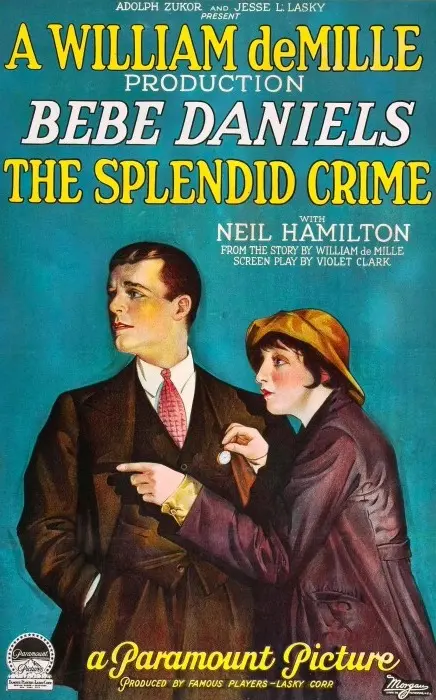
Set against the backdrop of 1920s American society, 'The Splendid Crime' (1924) unfolds a tale of redemption, moral transformation, and the delicate balance between crime and integrity. The film centers around Jenny, a skilled yet sympathetic thief, and Bob Van Dyke, a young and wealthy individual whose life is turned upside down by her actions and subsequent decisions.
Jenny's journey begins when she is discovered attempting to burgle Bob's safe, an encounter that prompts Bob to give her a stark moral lecture. However, rather than being overwhelmed by guilt or anger, Jenny decides to embrace a new path. She leaves behind the life of crime and accepts a job as a dressmaker. This transition is not merely a change in profession but a profound shift in her outlook on life and the value of integrity.
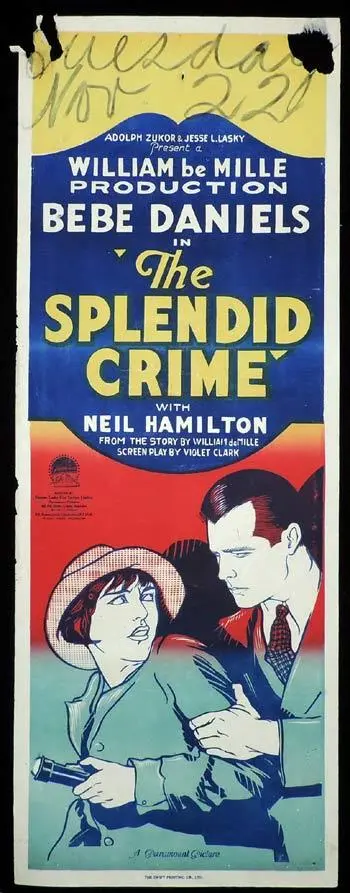
The film's narrative delves into the complexities of human nature, particularly the contrast between the two main characters. Bob's vulnerability and the pressure of financial ruin make him a sympathetic figure, yet his initial thoughts of stealing from his housekeeper reveal the depths of his despair. Jenny's decision to manipulate her old associates to steal the money instead, taking the blame herself, showcases her exceptional intelligence and empathy. Her actions not only save Bob from a moral dilemma but also inspire him to face his bankruptcy with grace and dignity.
The plot thickens as Bob's sister hires Jenny to work at their home, providing a fresh context for Jenny's involvement. This setting serves as a pivotal point where Bob's vulnerability and Jenny's moral compass intersect. The tension builds as Bob contemplates his next move, torn between his desire to sustain his lifestyle and the looming threat of financial ruin. Jenny's strategic maneuvering and the subsequent resolution of the plot offer a compelling exploration of ethical choices and the power of personal transformation.

The character dynamics between Jenny and Bob Van Dyke are intricately woven, reflecting the emotional and psychological journey of both characters. Lloyd Corrigan's portrayal of Bob is nuanced, capturing the subtle nuances of his character's struggle. Bebe Daniels brings a sense of vulnerability and strength to the role of Jenny, making her decision to return the money and settle with the law all the more poignant. Together, they create a compelling narrative that challenges the audience to reflect on the nature of crime, redemption, and the choices that shape one's destiny.
'The Splendid Crime' stands out among its contemporaries for its thoughtful exploration of moral dilemmas and the complexities of human behavior. By juxtaposing the contrasting personalities of Jenny and Bob, the film offers a nuanced perspective on the transformative power of choice and the strength of moral integrity. The clever script by William C. de Mille and Violet Clark provides a rich narrative foundation, while the casting choices bring out the best in the actors, creating a memorable viewing experience.
Compared to other films of the era, 'The Splendid Crime' offers a unique blend of moral philosophy and entertainment. While films like 'Algeria' (1923) and 'The Common Law' (1923) focus more on the immediate conflicts and physical action, 'The Splendid Crime' delves deeper into the psychological and ethical dimensions of its characters. This approach sets it apart, making it a significant contribution to the genre of silent films.
In conclusion, 'The Splendid Crime' is a thought-provoking film that explores the intricate tapestry of human emotions and moral choices. It is a testament to the power of storytelling and the ability of silent films to convey complex narratives. Through its engaging characters and compelling plot, the film invites viewers to ponder the nature of right and wrong, and the transformative power of individual actions.

IMDb 6.2
1915
Community
Log in to comment.