DbcultAccessing Vault...
Cult Review
Senior Film Conservator
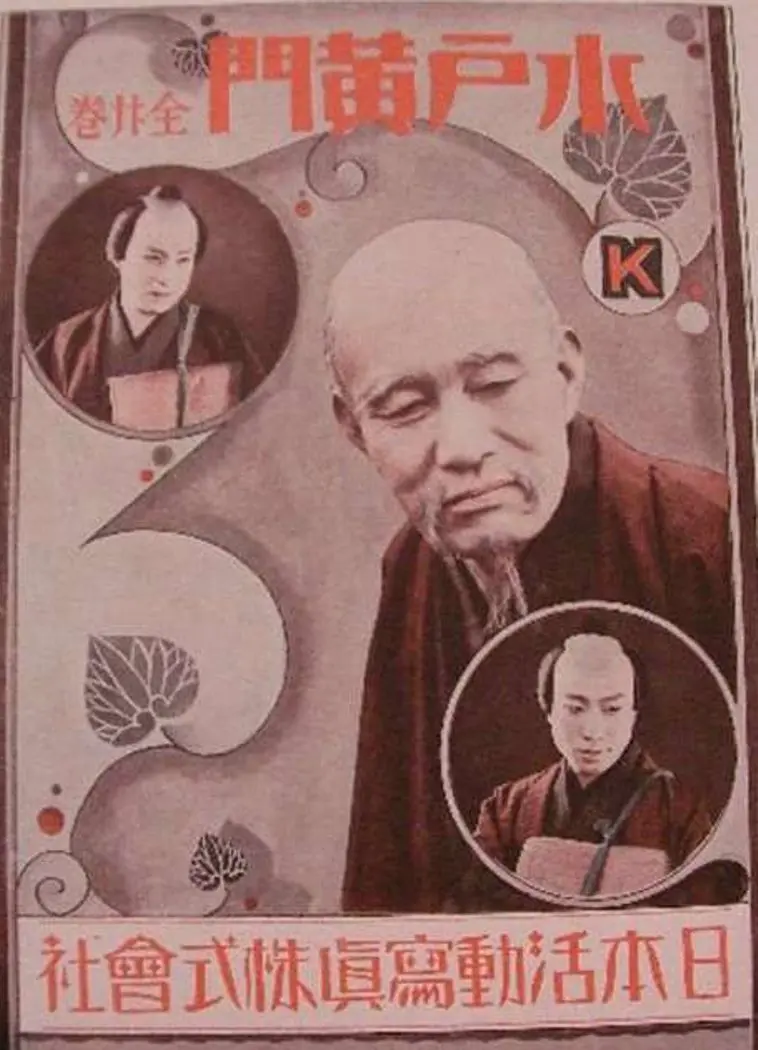
Short answer: no, but the moral lessons are timeless. If you're a fan of period dramas, this film offers a unique look at Japanese history through the eyes of a sage who fights corruption. If you're looking for a film that prioritizes action and modern storytelling, this might not be the best choice.
Mito Kômon is a period drama that follows the adventures of Tokugawa Mitsukuni, a former vice-shogun turned sage. While the film's pacing can be slow at times, its exploration of moral lessons and the impact of one person's actions on society is both engaging and thought-provoking.
Mitsukuni, played by Tokihiko Okada, is a complex character who navigates a world filled with political intrigue and personal challenges. His wisdom and moral compass serve as a guiding light for his loyal attendants, and the film explores how their interactions with various individuals shape the narrative. This is a film that values character development and the ripple effects of one person's actions, which can make it a rewarding experience for viewers who enjoy historical dramas with a strong moral undercurrent.
One of the standout elements of Mito Kômon is the development of Mitsukuni's character. Okada delivers a nuanced performance that captures the sage's wisdom and the toll it takes on his psyche. His interactions with various characters, from corrupt officials to struggling peasants, highlight the complexities of the Edo period and the moral dilemmas faced by individuals within it.
The film's pacing can be slow at times, which might not appeal to viewers who prefer a faster pace. However, the leisurely pace allows for a deeper exploration of the characters and the historical setting. The film's ability to balance political intrigue with personal growth is one of its strengths, making it a worthwhile experience for those who appreciate historical dramas with a strong moral undercurrent.
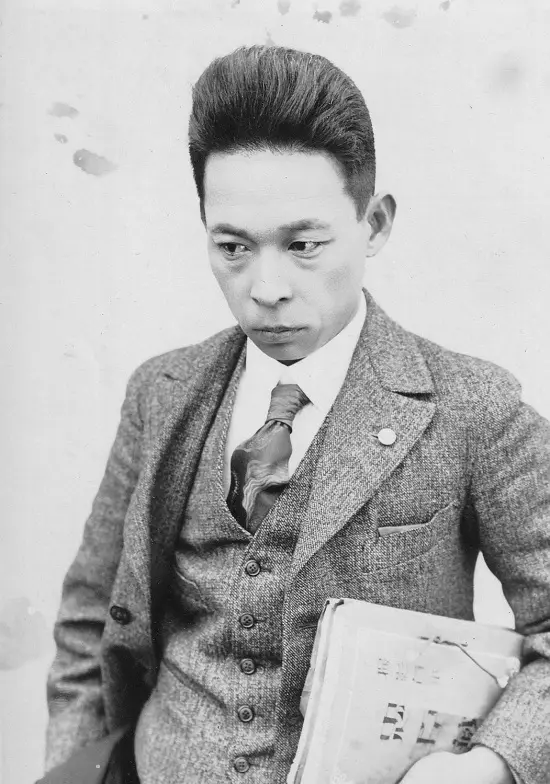
Mitsukuni's journey is a central element of the film. His development from a former high-ranking official to a wandering sage is a testament to the film's ability to explore the human condition. The moments where Mitsukuni confronts his own mortality and the impact of his actions on others are particularly poignant. This journey is not just about rectifying corruption but also about finding meaning and purpose in a world that often rewards deceit and manipulation.
The film's pacing, while deliberate, can sometimes feel drawn out. This is particularly noticeable in the early scenes where the characters are introduced. However, the film's ability to build tension and create a sense of urgency in the later parts of the movie is a testament to its strengths. The final act, where Mitsukuni must make a difficult decision, is particularly compelling and sets the stage for a satisfying conclusion.
The film is directed by Tomiyasu Ikeda, who brings a keen eye for the historical setting and a strong sense of pacing to the project. The screenplay, written by Tomiyasu Ikeda, is well-crafted and provides a clear narrative structure that balances political intrigue with personal growth. The film's use of historical references and its exploration of the moral landscape of the Edo period are particularly noteworthy.
The supporting cast, led by Gorô Kawabe, Umeko Sakuragi, and Yayoi Kawakami, brings a sense of authenticity to the film. Their performances are nuanced and add depth to the story. The chemistry between the characters is particularly strong, and their interactions create a sense of camaraderie that is central to the film's appeal.
Short answer: no, but the moral lessons are timeless. This period drama offers a unique look at Japanese history through the eyes of a sage who fights corruption. While the film's pacing can be slow at times, its exploration of moral lessons and the impact of one person's actions on society is both engaging and thought-provoking.
Mito Kômon is a period drama that offers a unique look at Japanese history through the eyes of a sage who fights corruption. While the film's pacing can be slow at times, its exploration of moral lessons and the impact of one person's actions on society is both engaging and thought-provoking. This is a film that values character development and the ripple effects of one person's actions, which can make it a rewarding experience for viewers who enjoy historical dramas with a strong moral undercurrent.
IMDb 6.7
1929
Community
Log in to comment.