DbcultAccessing Vault...
6.4/10
Senior Film Conservator
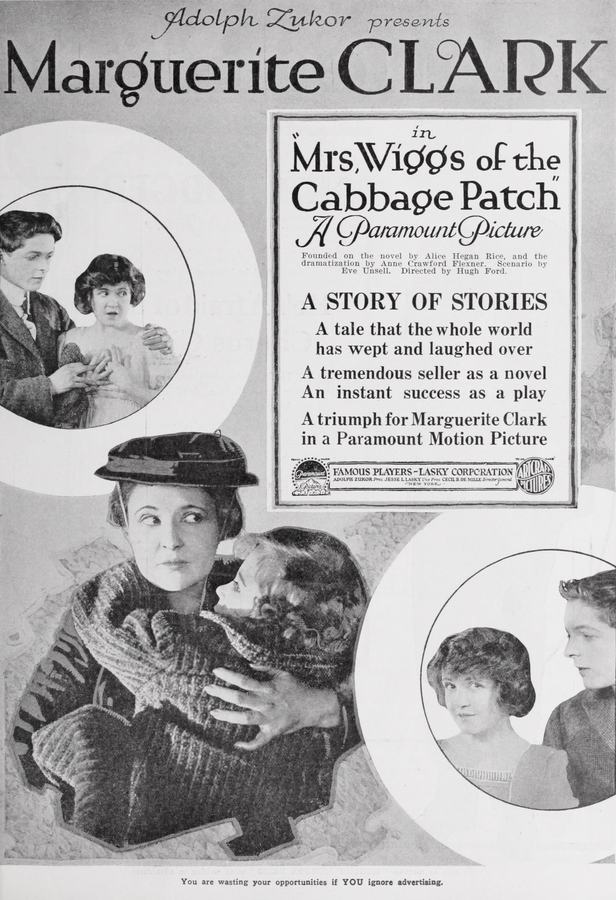
A definitive 6.4/10 rating for a film that redefined the boundaries of cult cinema. Mrs. Wiggs of the Cabbage Patch remains a cornerstone of transgressive art.
Stepping back into the cinematic landscape of 1919, one encounters a peculiar and often profoundly moving artifact: Mrs. Wiggs of the Cabbage Patch. This silent film, an adaptation of Alice Hegan Rice’s beloved novel, isn't merely a historical curiosity; it’s a vibrant testament to the enduring human spirit, a narrative that, despite its sepia-toned antiquity and lack of spoken dialogue, resonates with an almost startling contemporaneity. It plunges us into a world of stark poverty and relentless hardship, yet paradoxically, it's a world illuminated by an unquenchable, almost defiant, optimism. The film’s genius lies in its ability to extract profound emotional depth and philosophical resilience from the most desolate of circumstances, presenting a matriarch whose unwavering faith in the face of destitution feels both tragically real and fantastically inspiring.
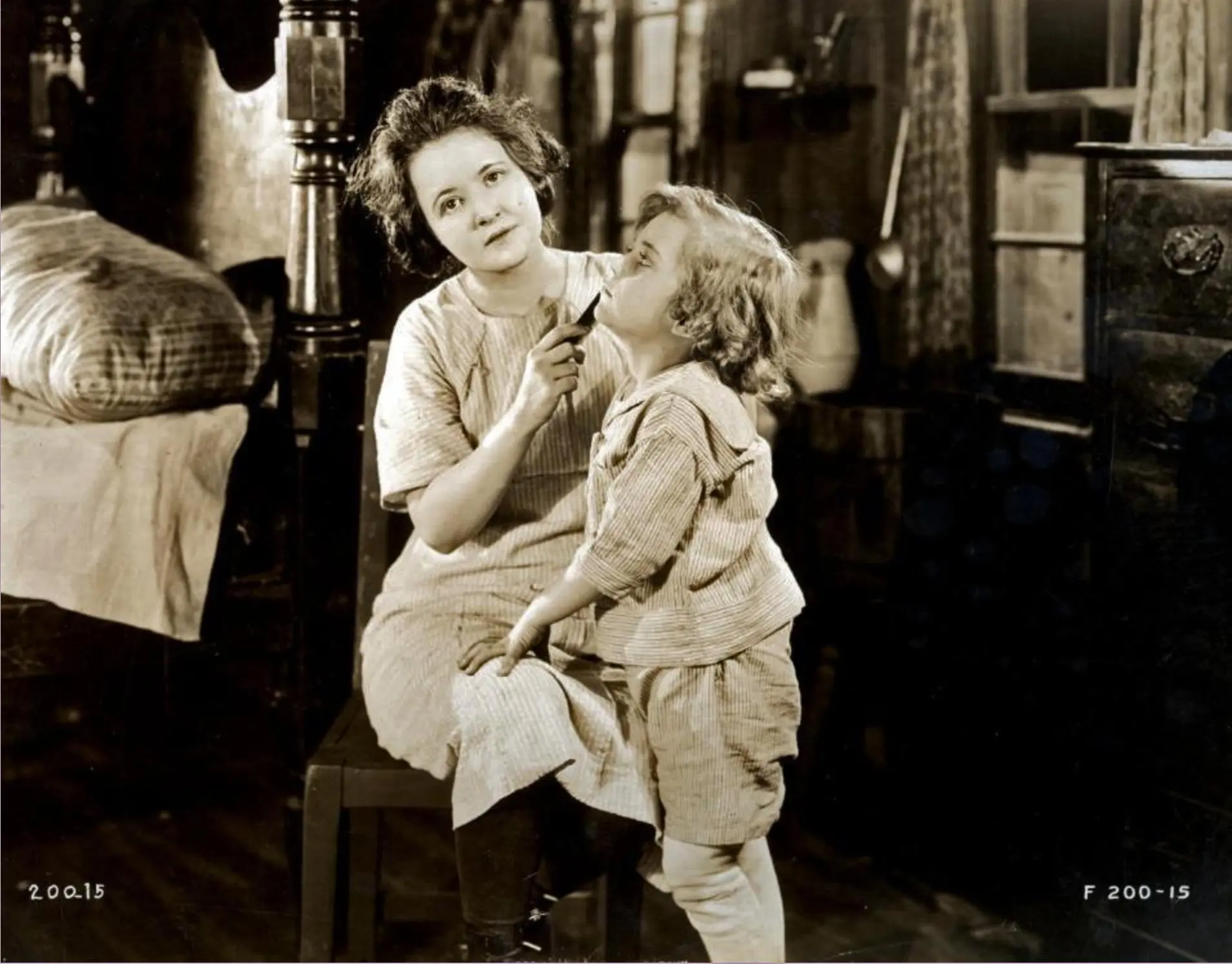
At the heart of this poignant drama is Mrs. Wiggs herself, portrayed with a magnificent blend of pathos and cheer by Mary Carr. Her performance is a masterclass in silent film acting, communicating volumes through gesture, expression, and the sheer force of her screen presence. Mrs. Wiggs is not merely a character; she is an archetype of maternal fortitude, a woman abandoned by her husband, burdened by a brood of children, and living in squalor, yet she refuses to be defined by her suffering. Her home, the titular Cabbage Patch, is a ramshackle abode, a physical manifestation of her family's precarious existence. Yet, within its dilapidated walls, she fosters an atmosphere of hope, decency, and an almost religious conviction that things will always turn out for the best. This isn't naive optimism; it's a conscious, courageous choice to face each day with a smile, to find joy in the smallest mercies, and to instill in her children a belief in their own worth, irrespective of their material circumstances. Carr's portrayal elevates Mrs. Wiggs beyond a mere victim of circumstance, transforming her into a beacon of light for her family and, by extension, for the audience.
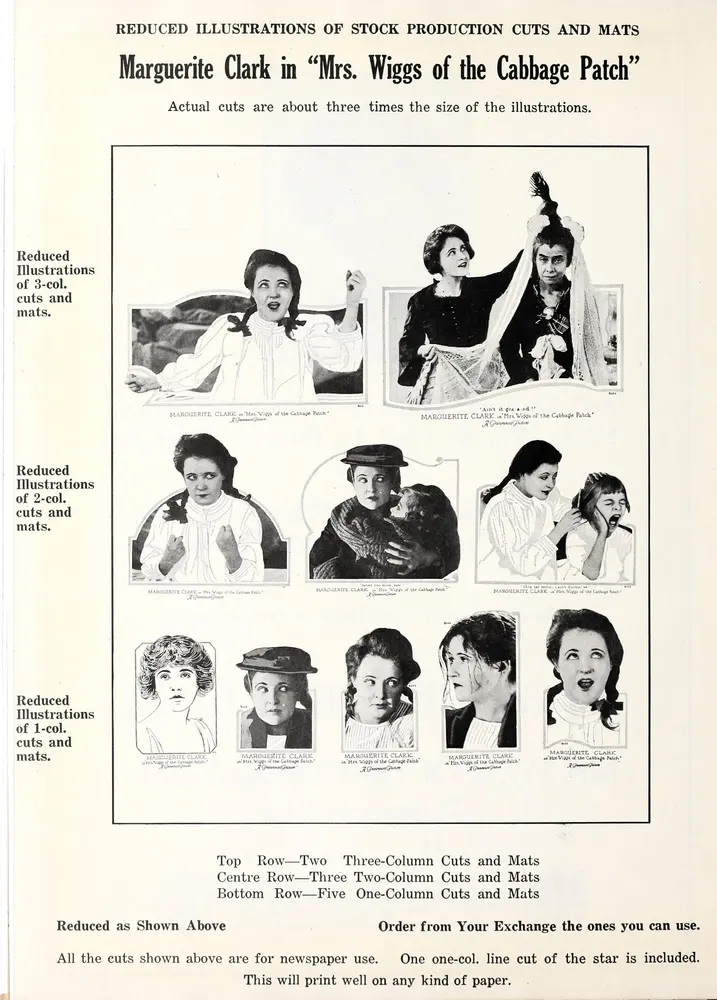
The film doesn't shy away from depicting the harsh realities of poverty. The Cabbage Patch is a stark reminder of societal neglect, a place where the struggle for food, shelter, and dignity is a daily battle. The children, though often playful, bear the marks of their deprivation, their youthful exuberance tempered by an early understanding of scarcity. This unflinching portrayal of economic hardship places Mrs. Wiggs of the Cabbage Patch in a lineage with other silent era films that dared to cast a critical eye on social conditions. One might draw parallels, for instance, with the raw, often brutal honesty of films like Sold for Marriage, which similarly explores the desperation that drives individuals to make impossible choices in the face of destitution. However, where some films might lean into melodrama or outright despair, Mrs. Wiggs consistently steers towards an affirmation of life. It suggests that even in the most barren soil, the seeds of kindness, community, and humor can take root and flourish.

As a product of its time, the film is a fascinating study in the art of silent narrative. Directed by Hugh Ford, the visual storytelling is paramount, relying heavily on expressive performances, carefully composed shots, and the emotional weight of intertitles. The lack of spoken dialogue forces the audience to engage more deeply with the actors' physicality and facial expressions, making the nuanced emotions of Carr, May McAvoy, and Gareth Hughes all the more impactful. The cinematography, while perhaps not as technically revolutionary as some of its contemporaries, effectively captures the grimness of the Wiggs' environment while also highlighting moments of tenderness and communal solidarity. The use of light and shadow, though rudimentary by modern standards, helps to delineate the film's emotional landscape, casting a pall over moments of despair and brightening scenes of familial warmth. It’s a powerful reminder of how much could be conveyed without a single spoken word, relying instead on the universal language of human emotion.
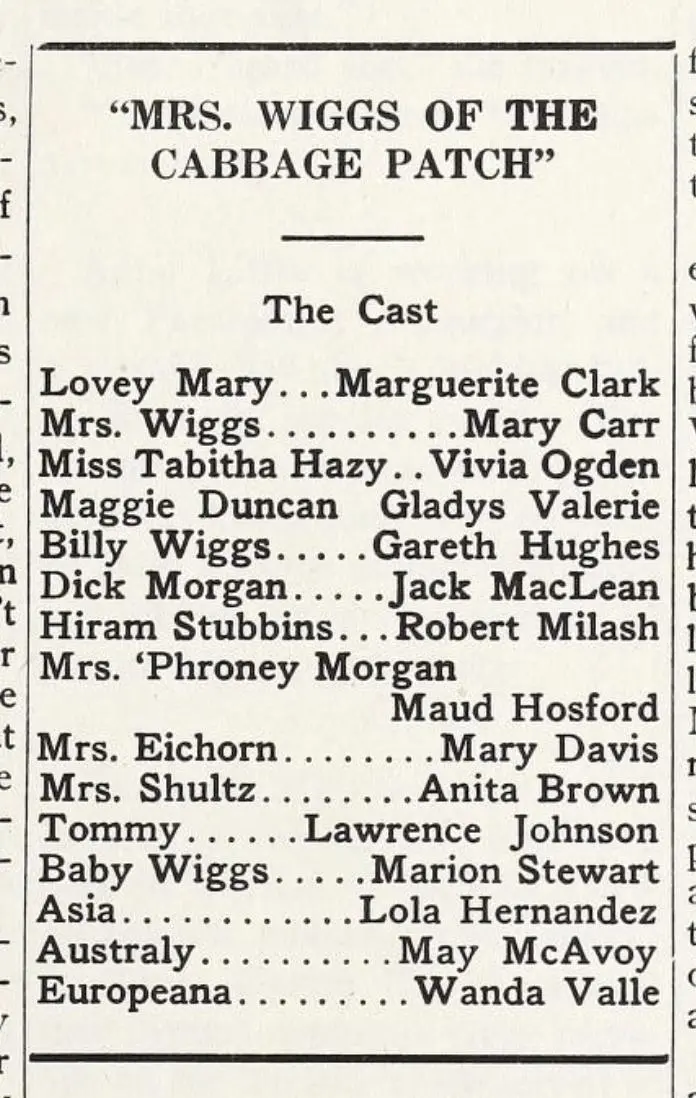
Beyond Mrs. Wiggs and her immediate family, the film paints a vibrant, if sometimes harsh, portrait of the Cabbage Patch community. These are people bound not by wealth or status, but by shared struggle and an unspoken understanding of each other's burdens. While not always idyllic, the interactions among neighbors reveal a complex tapestry of gossip, assistance, and occasional friction, all of which contribute to the film’s rich texture. Figures like the eccentric Miss Hazy (Gladys Valerie) or the pragmatic Mr. Stubbins (Robert Milasch) add layers of human interest, showcasing the diverse ways individuals cope with, and sometimes thrive within, their challenging circumstances. This sense of communal living, where support networks are vital, echoes themes found in other films of the era that explored the resilience of groups facing adversity, such as The Christian, which also delves into the power of shared belief and collective spirit in the face of moral and physical trials.
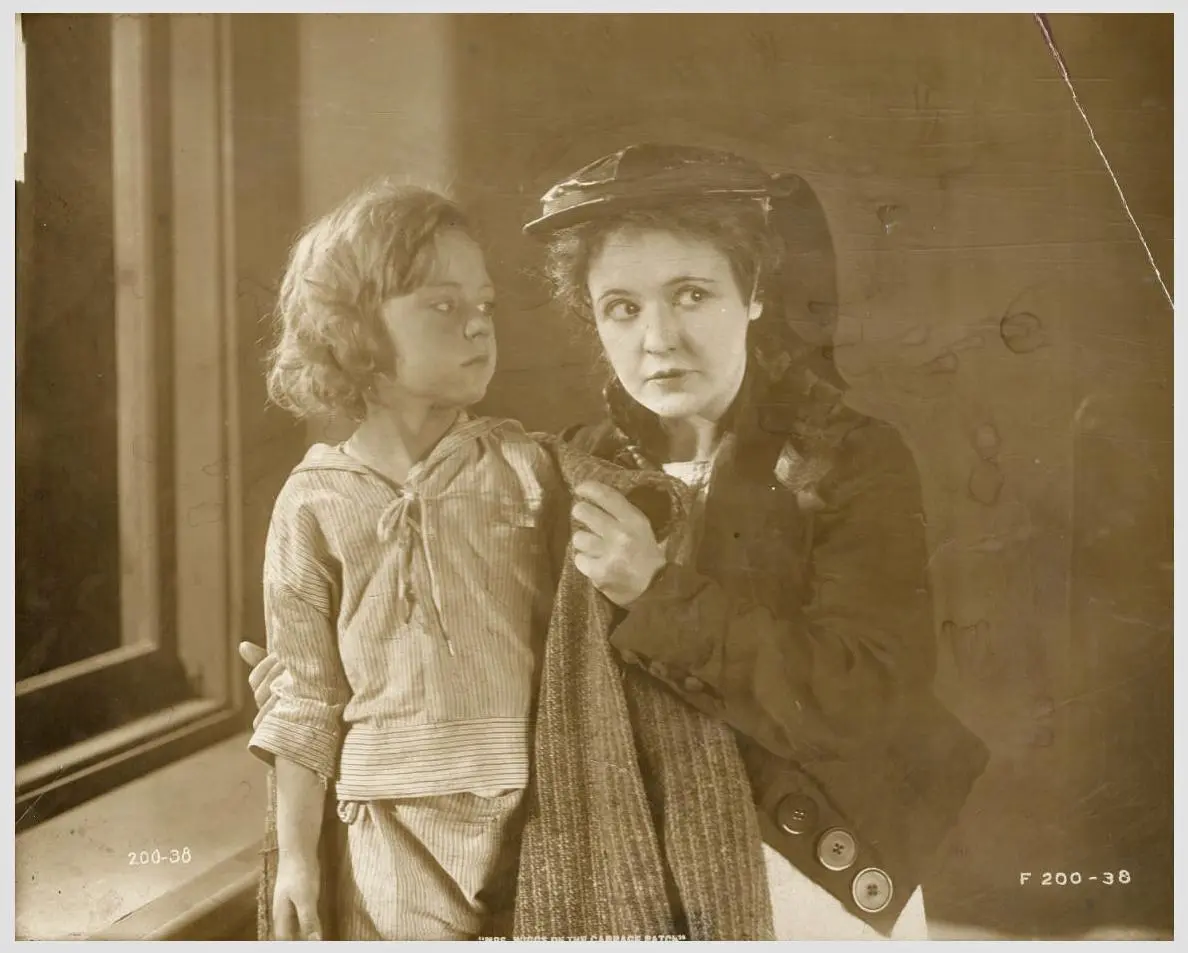
The film’s central thematic pillar is, without a doubt, hope. Mrs. Wiggs’s unwavering belief in her husband’s eventual return, despite years of absence and the bleakness of her situation, is not merely a plot device; it is the very engine of her existence. This tenacious optimism, bordering on the spiritual, transforms her daily drudgery into a series of small, meaningful acts of endurance. It's a profound statement on the human capacity for faith, not necessarily in a strictly religious sense, but in the inherent goodness of life and the eventual triumph of resilience over despair. This steadfastness can be compared to the moral and spiritual endurance depicted in films like The Road Called Straight, where characters navigate difficult paths guided by an internal compass of rectitude and hope for a better future. Mrs. Wiggs of the Cabbage Patch posits that hope is not a luxury for the privileged, but a fundamental necessity for survival, a psychological bulwark against the eroding forces of poverty and abandonment.
The children of the Wiggs family are not just props; they are integral to the narrative’s emotional core. From the earnest Australia (May McAvoy) to the mischievous Asia (Marguerite Clark), each child contributes to the vibrant chaos and tender moments that define the Wiggs household. Their struggles, their small joys, and their unwavering love for their mother underscore the profound sacrifices Mrs. Wiggs makes and the immense responsibility she carries. Their presence is a constant reminder of the stakes involved, making Mrs. Wiggs’s fight all the more heroic. The film beautifully captures the universal dynamics of childhood innocence colliding with the harsh realities of life, a theme explored in various forms across early cinema, often with varying degrees of sentimentality or stark realism. The blend here is particularly effective, avoiding saccharine sweetness while still celebrating the enduring spirit of youth.
While Mrs. Wiggs of the Cabbage Patch might not be as widely known today as some other silent era masterpieces, its thematic resonance remains undimmed. It stands as a powerful example of how early cinema could tackle complex social issues with sensitivity and emotional depth, without resorting to overly simplistic solutions. The film's message — that optimism and love can sustain us through the direst of circumstances — is timeless. It’s a cinematic embrace, a warm blanket woven from threads of hardship and hope. For those interested in the evolution of film and the societal narratives prevalent in the early 20th century, this movie offers invaluable insight. It’s a testament to the power of adaptation, transforming a beloved literary work into a compelling visual story that captures the essence of its source material while carving its own indelible mark on the silver screen. It reminds us that stories of resilience, particularly those centered on the unwavering strength of a mother, possess an eternal appeal, transcending the technological limitations of their era to speak directly to the human heart.
In conclusion, Mrs. Wiggs of the Cabbage Patch is far more than a relic; it is a vibrant, deeply felt exploration of human endurance. It showcases the remarkable talent of its cast, particularly Mary Carr, and the skillful direction that brought Alice Hegan Rice’s vision to life in a medium still finding its voice. Its portrayal of poverty is sobering, yet its celebration of hope is exhilarating. It’s a film that leaves you not with a sense of despair, but with a renewed appreciation for the quiet heroism found in everyday struggles and the transformative power of an unyielding spirit. It's a silent film that speaks volumes, a historical gem that continues to illuminate the path forward with its radiant message of hope against all odds.
IMDb 6.2
1934
Community
Log in to comment.