DbcultAccessing Vault...
Cult Review
Senior Film Conservator
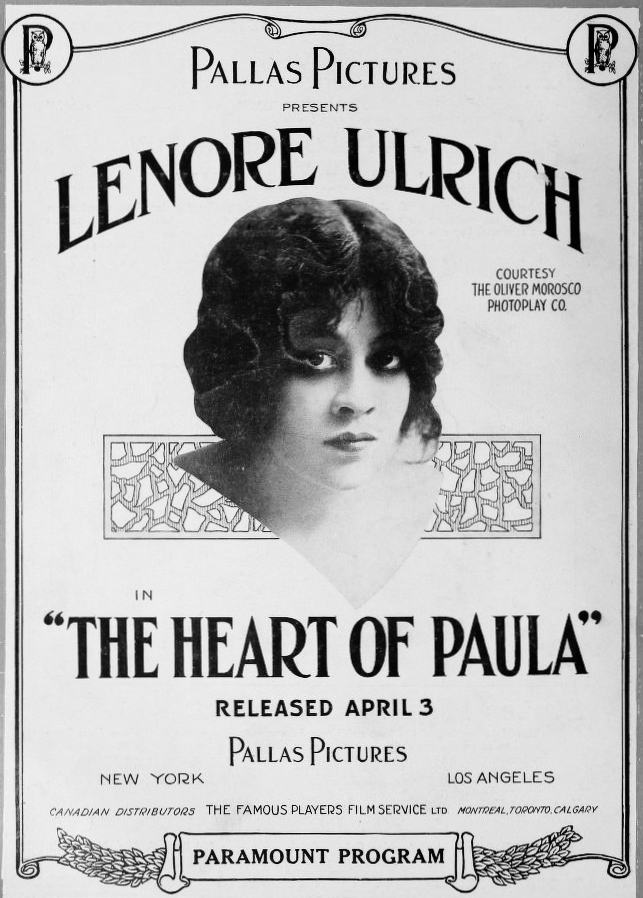
Stepping into the tumultuous narrative of The Heart of Paula, a 1916 cinematic endeavor penned by the discerning Julia Crawford Ivers, is akin to unearthing a forgotten jewel from the silent era’s glittering trove. This isn't merely a film; it's a vibrant tapestry woven with threads of mistaken identity, fervent romance, perilous adventure, and the potent, often destructive, force of human emotion. The picture, though a product of its time, resonates with a timeless quality, offering a gripping exploration of sacrifice, duty, and the unpredictable nature of the heart. From its very inception, the story sets a tone of imminent peril, as Stephen Pachmann, a mining engineer, finds his professional obligations colliding with his wife Claire’s profound anxieties. The weight of her apprehension, amplified by her brother Bruce McLean's shared fears, paints a vivid picture of domestic concern that quickly spirals into an international drama of unexpected twists.
The catalyst for this intricate web of events is Bruce McLean's audacious decision to impersonate his brother-in-law. It's an act born of love and protection, a selfless gesture intended to shield Claire from worry, yet it thrusts him into a maelstrom far more dangerous than the one he sought to avert. This initial premise immediately draws parallels to other narratives where assumed identities ignite unforeseen complications, such as the intricate deceptions in Dvoynaya zhizn (Double Life), though The Heart of Paula imbues its substitution with a distinctly romantic and perilous hue. McLean's arrival in Mexico, under a borrowed name, is not merely a geographic shift but a profound alteration of his destiny, setting the stage for a passionate entanglement that defies expectations.
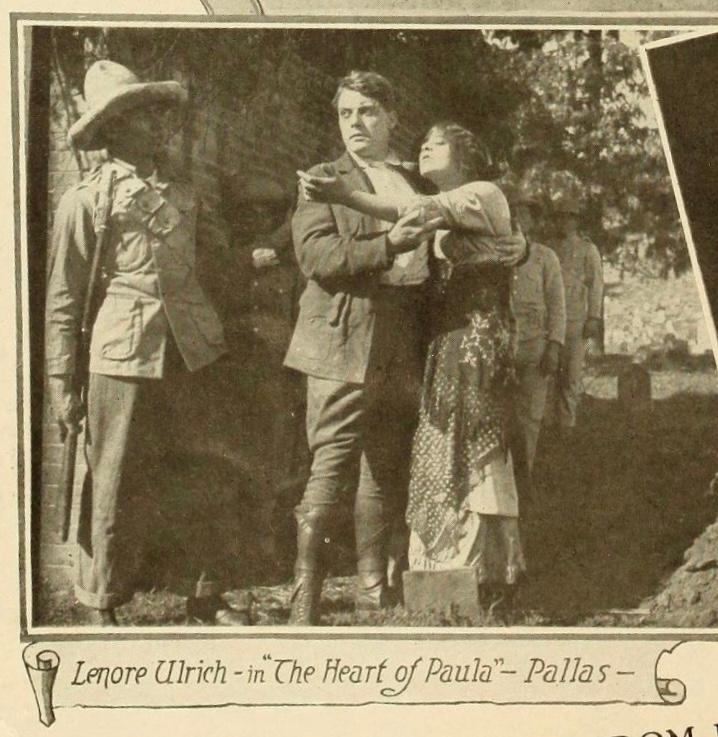
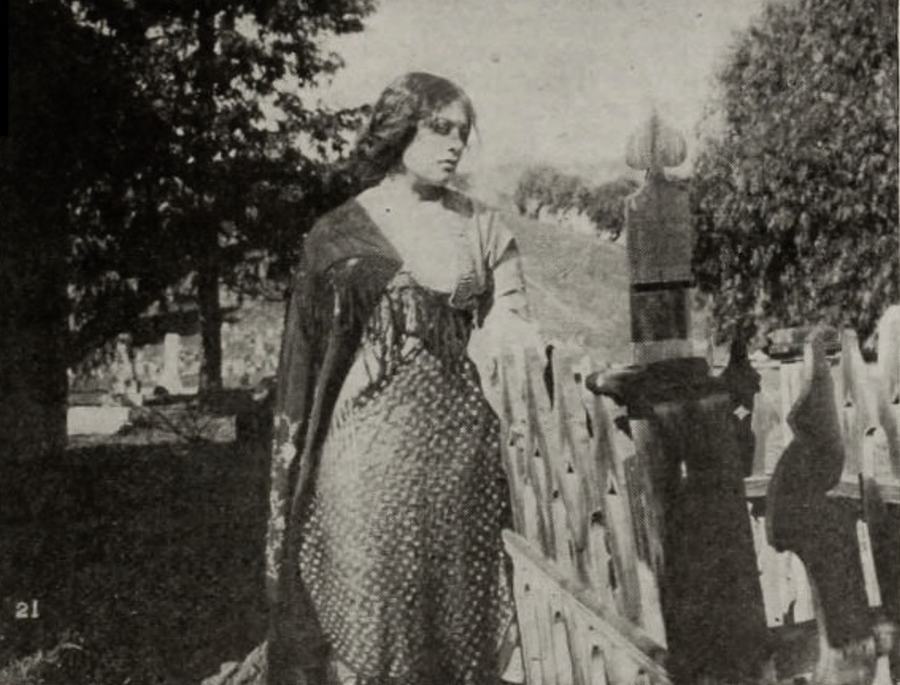
The titular Paula, brought to life with captivating intensity by Lenore Ulric, emerges as the vibrant core around which much of the drama orbits. Her immediate and profound infatuation with the American, whom she believes to be Stephen Pachmann, is portrayed with a raw, unbridled passion that speaks volumes without a single uttered word. Ulric's expressive eyes and fervent gestures convey a love so potent it becomes both a source of joy and a magnet for calamity. This burgeoning romance, however, is not allowed to blossom in peace. It immediately incites the venomous jealousy of Pacheco, the formidable Mexican bandit, portrayed with menacing conviction by Howard Davies. Pacheco's possessive nature and his bitter resentment over Paula's palpable disdain for him transform him into an antagonist of significant weight, a figure whose presence looms large and threatening over the nascent love affair. The dynamic between Paula, McLean, and Pacheco forms a classic romantic triangle, yet it is intensified by the bandit's capacity for violence and his complete disregard for conventional morality.
The narrative escalates dramatically with Pacheco’s calculated capture of McLean. The mountain wilderness, a backdrop of rugged beauty, becomes a prison, and McLean's life is reduced to a bargaining chip in Pacheco's cruel game. The communication of 'Stephen's' capture back to the United States serves as a potent plot device, propelling Claire, McLean’s sister, into action. Her unwavering determination to rescue her brother, regardless of the dangers, underscores the powerful bonds of family that underpin the film's emotional landscape. This journey of a loved one into peril to save another mirrors the thematic urgency found in dramas like The Silent Witness, where hidden dangers and desperate rescues often drive the plot forward. Claire's arrival in Mexico is not just a geographical convergence; it's a collision of worlds, a moment poised to unravel the intricate deception McLean has woven.
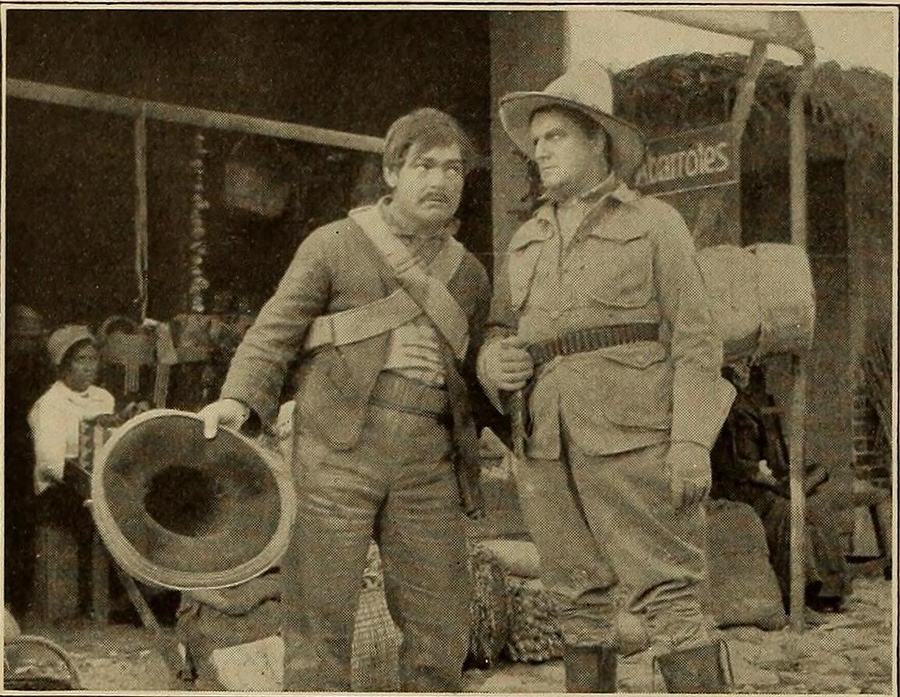
Pacheco, ever the manipulative orchestrator, exploits the situation further by divulging to Paula that 'Pachmann' has a wife en route to secure his release. This revelation is a masterstroke of dramatic irony, designed to inflict maximum emotional damage. Paula, already deeply invested in her love, is plunged into a maelstrom of confusion and betrayal. The subsequent scene, where she witnesses Claire's affectionate greeting of McLean, is a masterclass in silent film acting. Ulric's portrayal of Paula's fury, her initial disbelief morphing into a heartbroken rage, is palpable. The audience is invited to share her agonizing misconception, only to experience the collective gasp of understanding as the truth of McLean being Claire’s brother, not her husband, is finally revealed. This moment of clarity, while alleviating the romantic betrayal, deepens the complexities of the situation, particularly given McLean's precarious position.
The film then delves into the profound theme of sacrifice. When McLean's desperate attempt to escape is thwarted, Pacheco, in a fit of vengeful rage, condemns him to death. It is at this critical juncture that Paula steps forward, demonstrating a courage and selflessness that transcends her earlier romantic entanglement. Her offer to surrender herself to the guerrilla leader in exchange for McLean's life is a moment of breathtaking heroism, a testament to the depth of her character. This act of profound sacrifice, where personal dignity is offered for the survival of another, resonates with the weighty moral dilemmas explored in films such as Saints and Sorrows or The Blindness of Love, where characters are pushed to the brink of their moral and emotional limits. Paula's decision is not born of a blind, naive love, but of a fierce protectiveness and a recognition of McLean's inherent goodness, despite the initial deception.
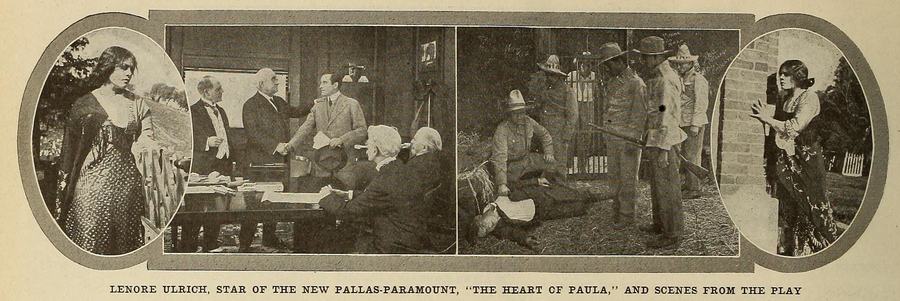
However, Paula's sacrifice is not a passive surrender. The narrative quickly reveals her strategic mind, as she plans a meticulous revenge against Pacheco under the cloak of night. This shift from victim to avenger adds another layer of complexity to her character, showcasing her resilience and determination. Yet, in a final, poignant twist, the film concludes with the enigmatic declaration that 'Fate changes her decree.' This open-ended resolution is remarkably effective, leaving the audience to ponder the capricious nature of destiny and the ultimate outcome of Paula's valiant, yet perhaps fated, struggle. It's a conclusion that speaks to the power of the unseen, the forces beyond human control that often dictate the course of lives, a thematic echo found in the unpredictable journeys of characters in films like Hitting the Trail.
Julia Crawford Ivers's writing for The Heart of Paula is a masterclass in silent film narrative construction. She crafts a plot that is consistently engaging, replete with dramatic tension, emotional depth, and unexpected turns. The screenplay skillfully navigates the intricacies of mistaken identity, romantic passion, and stark peril, ensuring that each development feels earned and impactful. The characterizations are particularly strong, allowing the actors to convey a rich inner life through their physical performances. Paula, in particular, is a remarkably well-developed character for the era, embodying strength, vulnerability, and a fierce sense of justice. Her journey from infatuated lover to self-sacrificing heroine and then to determined avenger is a compelling arc that drives the emotional core of the film. Ivers's ability to imbue the story with such a potent mix of melodrama and genuine human struggle elevates The Heart of Paula beyond mere entertainment, positioning it as a significant work within the silent film canon. The narrative's focus on the 'heart' of Paula is not just a romantic conceit; it’s an exploration of her moral compass, her capacity for profound love, and her unyielding spirit in the face of overwhelming adversity.
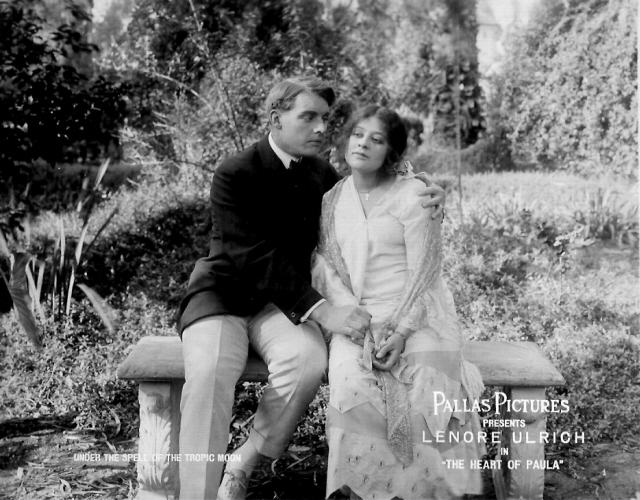
The performances are uniformly strong, a testament to the directorial guidance and the actors' innate talent for silent storytelling. Lenore Ulric, as Paula, is truly exceptional. Her portrayal captures the fiery spirit and deep emotional wellspring of a woman caught between love, duty, and vengeance. Forrest Stanley, as Bruce McLean, conveys a nuanced blend of reluctant heroism and genuine affection, making his character's plight genuinely empathetic. Howard Davies, as the villainous Pacheco, is chillingly effective, embodying the ruthless and possessive nature of the bandit with conviction. His menacing presence provides a stark contrast to the emotional vulnerability of Paula and McLean, creating a palpable sense of danger throughout the film. The supporting cast, including Andrés de Segurola, Charles Carter, Joe Ray, Jack Livingston, Velma Lefler, and Herbert Standing, each contribute to the rich tapestry of the narrative, supporting the central drama with their expressive performances. The film successfully leverages the strengths of silent cinema, relying on visual storytelling, evocative intertitles, and the powerful expressions of its cast to convey a complex and emotionally charged narrative. The use of close-ups to capture facial expressions and reactions would have been crucial in communicating the nuanced emotional shifts, particularly in Paula's character arc.
The Mexican setting, while perhaps tinged with the exoticism often found in early Hollywood depictions of non-Western cultures, serves as more than just a picturesque backdrop. It is an active participant in the drama, providing the rugged, lawless environment necessary for Pacheco's banditry and the perilous conditions of McLean's captivity. The clash of cultures, though subtly depicted, adds another layer of intrigue, particularly in Paula's passionate, uninhibited character contrasting with the more restrained American sensibilities of McLean and Claire. This exploration of cultural dynamics, even if from a historical perspective, offers a fascinating dimension to the film, reminiscent of the cross-cultural romantic tensions seen in The Soul of Kura San, though with a distinct Latin American flavor here.
The thematic richness of The Heart of Paula is one of its most enduring qualities. It explores the blurred lines between love and obsession, the profound impact of deception, and the extraordinary lengths to which individuals will go for those they care about. McLean's initial act of substitution, driven by familial love, inadvertently plunges him into a passionate romance and then into a life-or-death struggle. Paula's journey, from infatuation to heartbreak, then to self-sacrifice and planned revenge, speaks volumes about the multifaceted nature of the human spirit. The film's engagement with themes of justice, retribution, and the unpredictable hand of fate gives it a depth that transcends its melodramatic elements. The concept of 'tangled lives' is explicitly central here, much like the title suggests in Tangled Lives, where the intertwining destinies of characters create a complex web of consequences.
Furthermore, The Heart of Paula provides a fascinating glimpse into the moral and dramatic sensibilities of early 20th-century cinema. It showcases a preference for grand gestures, heightened emotions, and narratives that hinge on significant reversals of fortune. The silent film format, far from being a limitation, forces a reliance on visual storytelling and the expressive power of the human face and body, skills that the cast of this film demonstrate with remarkable proficiency. The film's exploration of sacrifice, particularly Paula's offer to Pacheco, echoes themes found in other silent dramas where characters face dire choices, such as in I Accuse or En defensa propia, where personal integrity and survival are constantly at stake. The final, ambiguous note regarding fate, rather than providing a neat resolution, leaves a lasting impression, inviting contemplation long after the credits have rolled. This willingness to embrace ambiguity in an era often characterized by clear-cut endings is a testament to the film's artistic ambition and Julia Crawford Ivers's sophisticated storytelling.
In conclusion, The Heart of Paula is far more than a historical artifact; it is a compelling piece of cinematic art that continues to engage and enthrall. Its intricate plot, rich characterizations, and powerful emotional core make it a standout example of silent era drama. For those with an appreciation for the foundational works of cinema, or simply for a story that delves deep into the complexities of human relationships and the dramatic twists of fate, this film offers a deeply rewarding experience. It reminds us of the enduring power of visual storytelling and the timeless appeal of narratives that explore the human heart in all its passionate, sacrificing, and ultimately, unpredictable glory. It stands as a testament to the creative prowess of its writer, director (though uncredited, Ivers was often a de facto director), and its remarkable cast, solidifying its place as a significant contribution to the evolving art form of cinema.
IMDb 4.9
1927
Community
Log in to comment.