DbcultAccessing Vault...
6.4/10
Senior Film Conservator
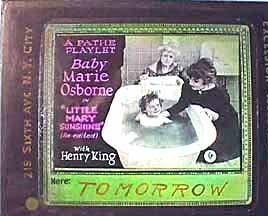
A definitive 6.4/10 rating for a film that redefined the boundaries of cult cinema. Little Mary Sunshine remains a cornerstone of transgressive art.
The early years of cinema, often dismissed by modern audiences as merely quaint, were in fact a fertile ground for profound emotional storytelling, a testament to the medium's immediate power. Amidst the flurry of melodramas and burgeoning comedies, a quiet gem like “Little Mary Sunshine,” released in 1916, truly shines, offering a deeply resonant exploration of human vulnerability and the unexpected solace found in shared sorrow. This film, crafted by writer Daniel F. Whitcomb and featuring a nascent but compelling performance from Henry King alongside the undeniable charm of child star Marie Osborne, transcends its era, speaking to universal experiences of loss and healing.

At its core, “Little Mary Sunshine” delves into the intricate dance of grief and recovery. We are first introduced to Bob, a man whose world has just fractured. His fiancée, in a devastating blow, has abruptly severed their engagement, leaving him reeling in the wreckage of a future he had meticulously planned. The cinematic portrayal of his immediate despair is subtle yet potent, capturing the quiet agony of a soul unmoored. It's not a histrionic display, but a more internalized suffering, a testament to the nuanced acting prevalent even in the silent era. His solitude, emphasized by the framing and the subdued intertitles, paints a picture of a man utterly lost in a sea of personal desolation. This initial state of emotional paralysis sets the stage for the profound encounter that is to follow.
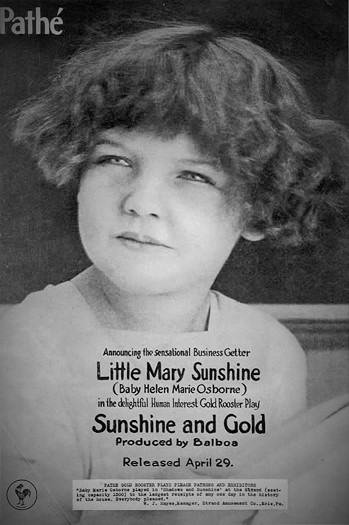
Parallel to Bob's adult heartbreak, another tragedy unfolds, one of an entirely different, yet equally crushing, magnitude. Young Mary, the titular “Little Mary Sunshine,” finds her nascent world shattered by the sudden death of her mother. The film doesn't shy away from depicting the stark reality of childhood grief, though it handles it with a delicate touch, avoiding overt sensationalism. Marie Osborne, even at such a tender age, conveys a heartbreaking innocence shadowed by immense sadness. Her small frame, her wide, questioning eyes, and the quiet dignity with which she carries her burden speak volumes without a single uttered word. The contrast between Bob's sophisticated, adult sorrow and Mary's raw, uncomprehending loss creates an immediate emotional tension, drawing the viewer into their separate yet converging narratives.
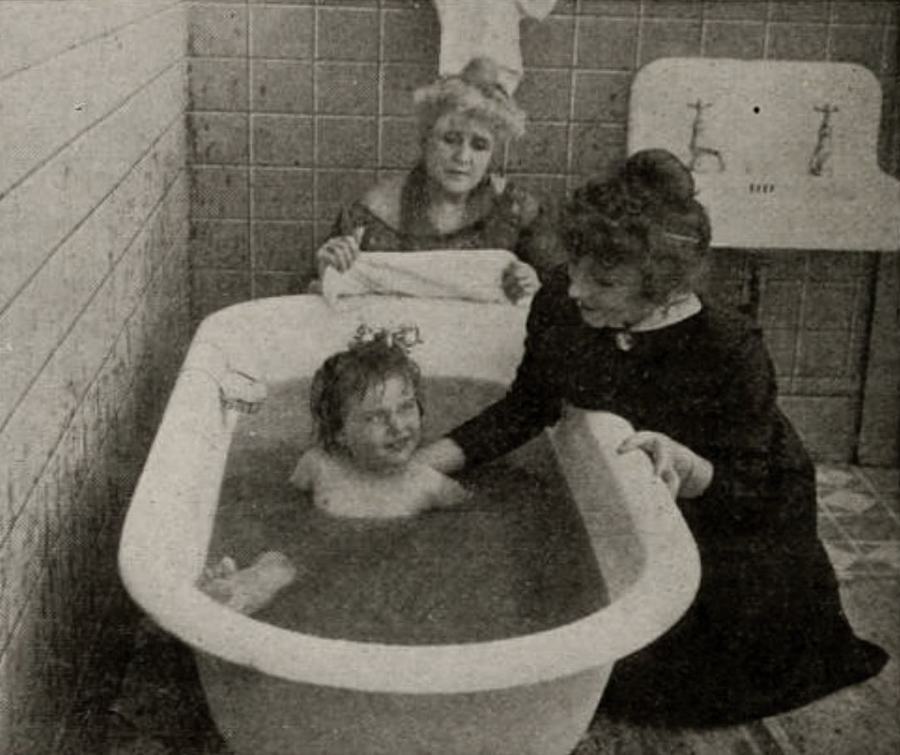
Their paths intersect not through grand design or dramatic contrivance, but through the simple, almost accidental circumstances of life. Bob, perhaps seeking distraction from his own pain, encounters Mary, a child clearly in distress. The film masterfully portrays the initial awkwardness, the slight hesitation before two wounded souls recognize a kindred spirit. What unfolds is not a conventional romance, nor a simplistic father-figure dynamic, but something far more profound and therapeutic. They become each other's unexpected anchors. Mary, with her unvarnished innocence and straightforward expression of grief, offers Bob a perspective untainted by adult cynicism. Her need for comfort, her simple acceptance of his presence, acts as a balm to his wounded ego and aching heart. Conversely, Bob provides Mary with a stable, comforting presence in a world suddenly devoid of her primary caregiver. He offers a quiet strength, a gentle understanding that transcends the need for elaborate explanations. Their interactions are characterized by mutual, unspoken empathy, a silent communion that gradually begins to mend their respective fractures. It’s a beautifully understated depiction of how human connection, especially in moments of extreme vulnerability, can become a powerful force for healing. This is where the film truly excels, demonstrating the power of shared experience over articulated sentiment.
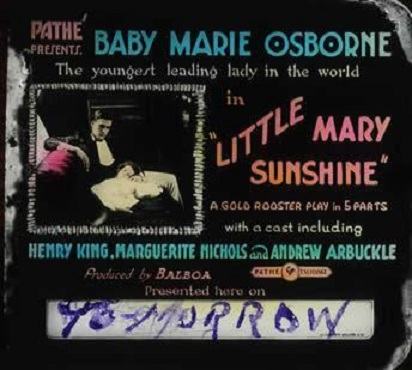
Marie Osborne, often hailed as “Baby Marie,” delivers a performance in “Little Mary Sunshine” that is nothing short of remarkable for an actress of her age. Her portrayal of Mary is imbued with an authenticity and an emotional depth that belies her years. She doesn't merely act; she embodies the character, from the subtle quiver of her lip to the hopeful glint in her eye. Her capacity to convey profound sadness, confusion, and ultimately, burgeoning hope, without the benefit of dialogue, is a testament to her natural talent and the sensitive direction she must have received. One can draw parallels to other child performances of the era, though few achieved her level of genuine pathos. While not directly comparable in plot, the sheer magnetism of a child protagonist carrying significant emotional weight can be seen in films like Engelein, where a young girl's experiences drive the narrative, albeit with a different focus on societal pressures versus personal grief. Osborne’s ability to elicit such strong audience empathy is a cornerstone of “Little Mary Sunshine's” enduring appeal. Her “sunshine” isn't a saccharine sweetness, but a resilient glow that emerges from the shadow of despair, illuminating the path for Bob as much as for herself.
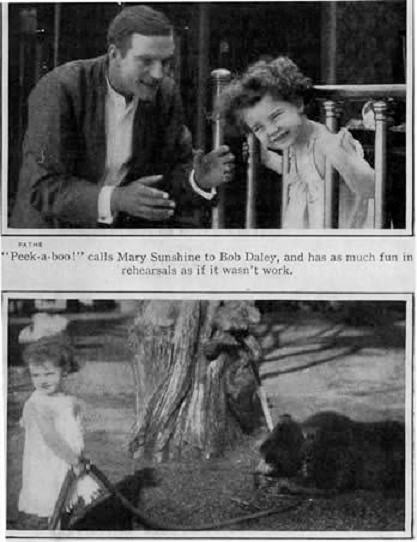
Henry King, who would later become a celebrated director, shows considerable promise in his acting role as Bob. He navigates the character's emotional arc with a commendable restraint, avoiding the broad, often exaggerated gestures sometimes associated with silent film acting. His performance is internal, his pain conveyed through subtle facial expressions, the slump of his shoulders, and the way he carries himself. We witness his gradual thawing, the slow emergence from his self-imposed emotional exile, largely catalyzed by Mary's unassuming presence. The supporting cast, including Mollie McConnell, Andrew Arbuckle, and Marguerite Nichols, provide solid, if less central, contributions, grounding the narrative in a believable social context. Their interactions, though brief, help to underscore the isolation Bob initially experiences and the community Mary eventually finds. Daniel F. Whitcomb's screenplay, while adhering to the conventions of its time, skillfully crafts a narrative that prioritizes emotional authenticity over sensationalism, allowing the quiet power of human connection to take center stage. The story isn't about grand gestures but about the small, significant acts of kindness and shared humanity that ultimately lead to solace.
Thematic resonance in “Little Mary Sunshine” is particularly rich. The film explores not just individual grief, but the universal human need for connection and the surprising places where healing can be found. It posits that sometimes, the most profound comfort comes not from those who share our adult experiences, but from the unburdened innocence of a child. This juxtaposition of adult disillusionment with childish hope is a powerful recurring motif. The film suggests that acknowledging vulnerability and allowing oneself to be open to the innocence of others can be a vital step in overcoming personal sorrow. In an era often characterized by rigid social norms, the film subtly champions emotional honesty and the breaking down of barriers between individuals, regardless of age or social standing. It’s a testament to the human spirit's capacity for resilience, even when confronted with profound loss. This theme echoes, albeit in a different context, the search for meaning and solace found in other early cinematic works dealing with profound personal change, such as Should a Wife Forgive?, which grapples with the complexities of emotional forgiveness and rebuilding lives after betrayal.
From a cinematic perspective, “Little Mary Sunshine” exemplifies the evolving artistry of early 20th-century filmmaking. The cinematography, while perhaps lacking the elaborate set pieces of later epics, focuses intently on character expressions and intimate moments, drawing the audience into the emotional core of the narrative. The use of intertitles is judicious, providing necessary exposition without overwhelming the visual storytelling. The pacing is deliberate, allowing the emotional beats to register fully, a stark contrast to the rapid-fire editing often seen in contemporary cinema. Director Henry King, even in this early acting role, likely absorbed much about storytelling through the lens, contributing to the film's overall coherence and emotional depth. The film's aesthetic, with its emphasis on naturalistic settings and believable character interactions, serves to heighten its poignant themes, making the emotional journey of Bob and Mary feel incredibly tangible. This attention to detail in crafting a believable emotional world, even with the limitations of silent film, is a hallmark of quality cinema from this period, akin to the careful world-building seen in The Wishing Ring: An Idyll of Old England, which similarly relies on its visual charm and character dynamics to transport its audience.
The film's quiet power lies in its simplicity and sincerity. It doesn't rely on sensational plot twists or grand spectacles, but rather on the raw, relatable emotions of its characters. It reminds us that grief, while intensely personal, can also be a bridge to unexpected connections. The “sunshine” of the title is not a literal, constant brightness, but rather the intermittent, precious rays of hope and comfort that break through the clouds of sorrow, often brought by the most unassuming sources. The lasting impression of “Little Mary Sunshine” is one of gentle optimism, a belief in the enduring capacity of the human heart to heal and to find warmth in the cold aftermath of loss. It stands as a compelling example of how early cinema, with its unique blend of visual storytelling and emotional resonance, could deliver narratives of profound human experience that continue to touch audiences more than a century later. It’s a beautiful, understated testament to the redemptive power of empathy.
IMDb —
1925
Community
Log in to comment.