DbcultAccessing Vault...
6.2/10
Senior Film Conservator
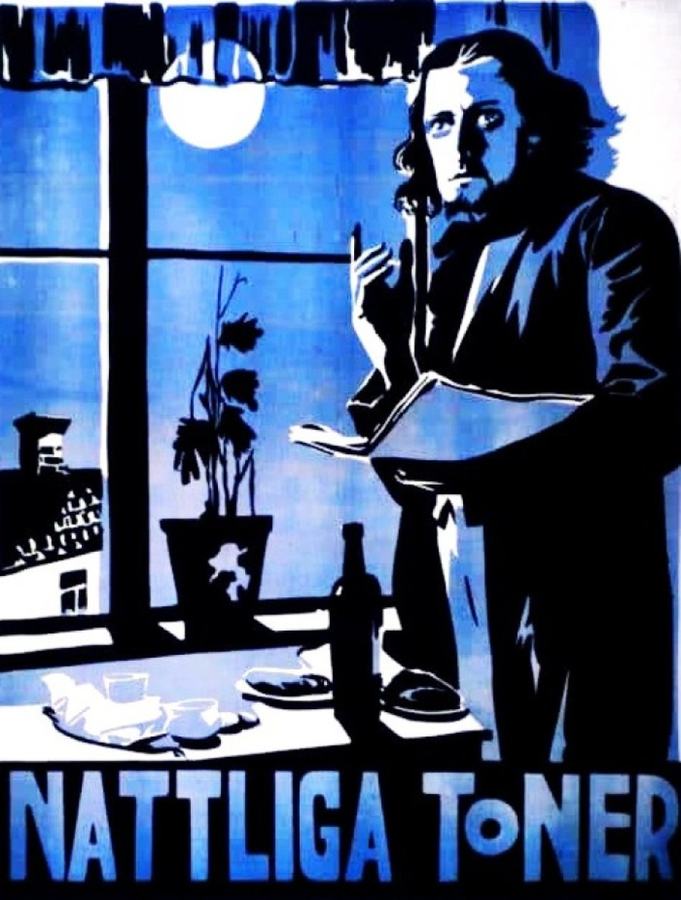
A definitive 6.2/10 rating for a film that redefined the boundaries of cult cinema. Nattliga toner remains a cornerstone of transgressive art.
Nattliga Toner, a Swedish silent film from 1921, is a masterclass in visual storytelling that transcends its era to speak directly to the timeless conflict between authenticity and artifice. With its stark contrasts and haunting imagery, the film paints a melancholic portrait of a society that sacrifices truth on the altar of spectacle. Georg af Klercker’s direction, coupled with an ensemble of Swedish actors, weaves a narrative that feels both intimate and universal, a quiet storm of emotional turbulence.
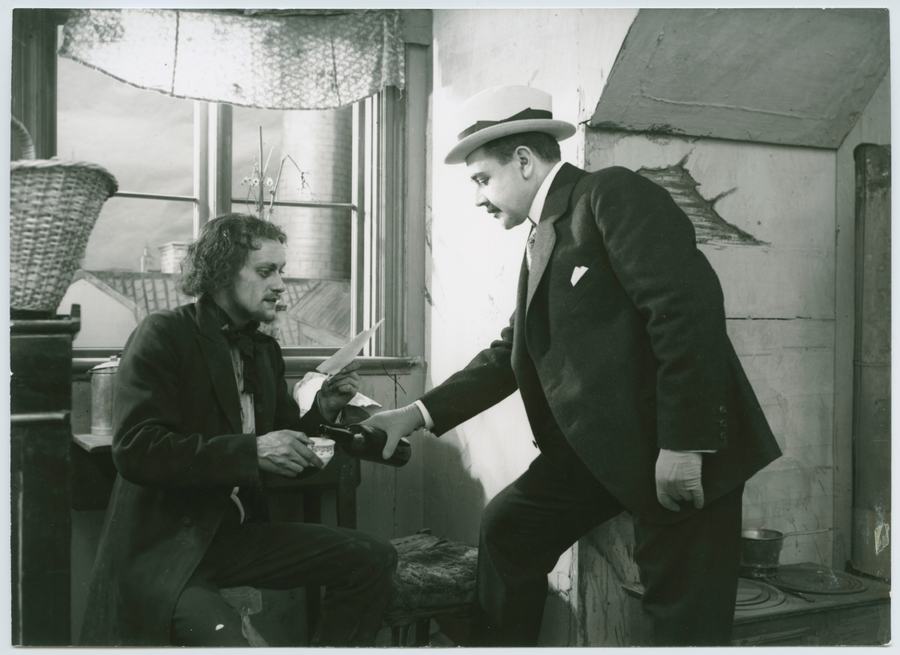
At the heart of the film lies the tragic figure of Baron Von Meislingen, portrayed with chilling detachment by John Botvid. His character is a paradox: a man cloaked in aristocratic privilege yet spiritually bankrupt, his yearning to be a poet revealing a deeper hunger for validation. The baron’s theft of Peter Långhår’s work—played with poignant vulnerability by Helge Kihlberg—is not just an act of plagiarism but a symbolic robbery of identity. The baron, unable to create, appropriates the very essence of another’s soul, transforming Långhår’s raw, unfiltered artistry into a polished, palatable commodity for the masses.
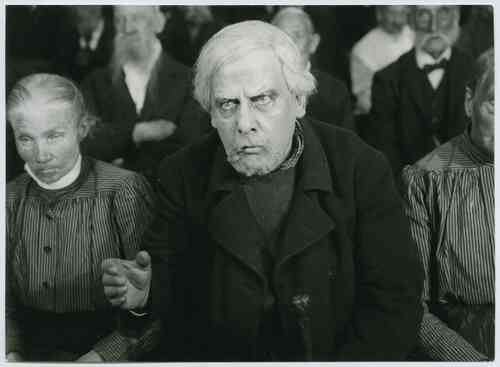
The film’s aesthetic choices amplify its thematic resonance. Wide-angle shots emphasize the baron’s isolation within his gilded cage, while close-ups on Långhår’s gaunt face reveal the toll of unrequited genius. The use of light and shadow is particularly striking: the baron’s world is bathed in artificial glow, his chambers a stage set for performative grandeur, whereas Långhår’s dim, cluttered apartment exudes a quiet dignity. These visual metaphors underscore the duality of the narrative—one man’s ascent built on another’s descent.
What elevates Nattliga Toner beyond a mere morality tale is its exploration of complicity. The public, as embodied by the film’s secondary characters, is portrayed as an unwitting enabler of the baron’s fraud. Their applause for his stolen verses is not born of malice but of a collective refusal to confront discomfort. This is a society that values ease and accessibility over the raw, often unsettling truth of art. The film’s most haunting moment arrives when Långhår, upon hearing his own words recited by the baron, crumbles into silence—a silent testament to the erasure of his voice.
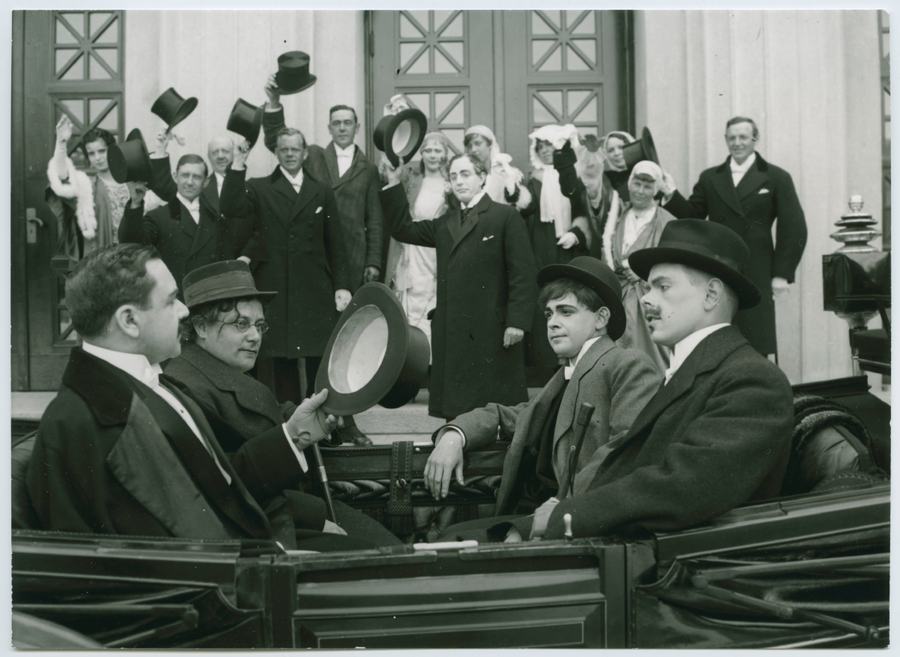
Comparisons can be drawn to Polly Put the Kettle On, another film that critiques societal hypocrisy, though the latter employs a more satirical tone. Here, the critique is far more somber, almost elegiac. The baron’s rise mirrors the superficial triumphs in films like The Circus of Life, where appearances often eclipse reality. Yet Nattliga Toner diverges in its unflinching focus on the personal cost of such deceit. There is no redemption arc for the baron; his fate is sealed by his own choices, a rarity in early cinema where moral dilemmas often concluded with tidy resolutions.
The performances are a cornerstone of the film’s impact. Helge Kihlberg’s portrayal of Långhår is a masterclass in understated acting. His physicality—slumped shoulders, hesitant gestures—communicates a man worn down by systemic injustice. When he recites his poetry, the camera lingers on his face, capturing the flicker of hope and despair in equal measure. John Botvid, in contrast, delivers a performance of cold precision, his baron an embodiment of calculated self-interest. The chemistry between the two actors is taut, their interactions charged with unspoken tension.

The film’s structure is deliberate, each scene building toward the inevitable collapse of the baron’s façade. The pacing, though brisk by modern standards, allows the weight of each moment to settle. The score, though lost to time in many surviving prints, is reported to have been a subtle accompaniment that never overpowers the visual narrative. The silence of the silent film medium itself becomes a character, amplifying the unspoken dialogue between the baron and the poet.
Nattliga Toner also serves as a precursor to later works that explore the commodification of art, such as David Copperfield and Under False Colors. However, its uniqueness lies in its focus on the literary realm, a domain less frequently tackled in early cinema. The theft of poetry as a metaphor for cultural appropriation is a bold stroke, rendering the film both specific and universally resonant. It invites reflection on the mechanisms that elevate certain voices while silencing others—a conversation as urgent today as it was a century ago.
The film’s ending is a masterstroke of ambiguity. The baron, now a celebrated poet, is shown at a public reading, his words met with rapturous applause. But the final shot lingers on Långhår, now a shadow of his former self, watching from the back of the hall. The camera pulls back to reveal a plaque on the baron’s estate: 'Poetry is the voice of the soul.' The irony is suffocating. This is not a film that offers closure but one that lingers in the mind like a half-remembered poem, its lines incomplete yet profoundly resonant.
In terms of legacy, Nattliga Toner has been overshadowed by more commercially successful works of its time. Yet, its themes of artistic integrity and societal complicity have found new life in contemporary discourse. Scholars have drawn parallels between the baron’s fraudulence and the modern phenomenon of 'ghostwriting' in politics and media. The film’s critique of a culture that prioritizes image over substance feels particularly prescient in an age of curated digital personas.
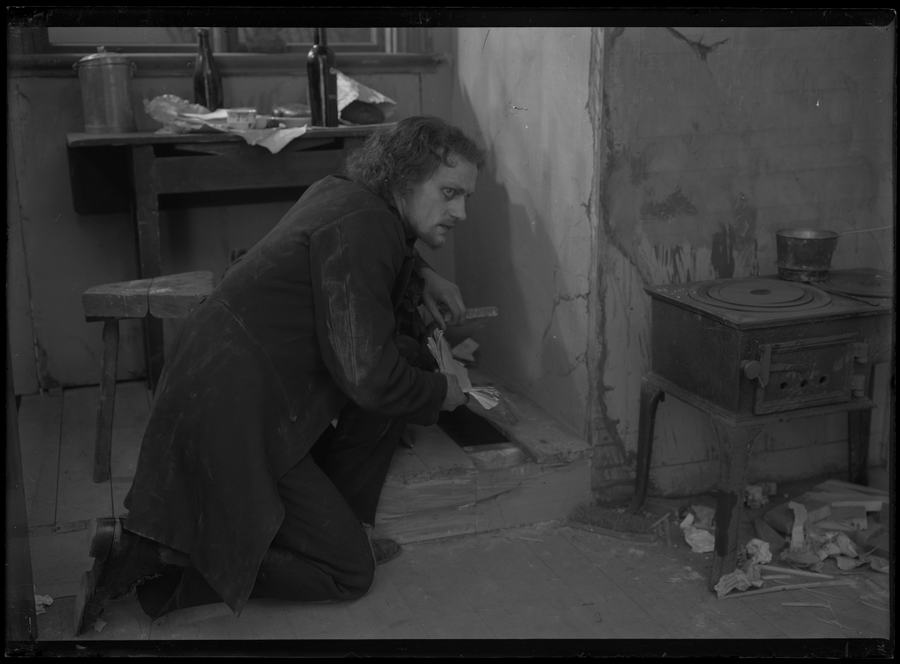
The technical aspects of the film—though constrained by the limitations of 1920s cinema—are executed with remarkable finesse. The use of intertitles is minimal but impactful, allowing the visual storytelling to dominate. The set designs, particularly the baron’s library with its towering bookshelves and Långhår’s cramped room, are symbolic of their respective worlds. The camera work, while modest, employs creative angles to convey psychological depth. One particularly memorable sequence shows the baron walking through a mirror-lined corridor, his reflection multiplied into infinity—a visual metaphor for the endless repetition of his deceit.
The historical context of the film adds another layer of intrigue. Released in the aftermath of World War I, Nattliga Toner captures a Europe grappling with the collapse of old orders and the rise of new, often hollow, institutions. The baron’s fraudulence can be read as a microcosm of this larger societal decay. The film’s focus on the written word also reflects the cultural anxieties of the time, as the printed page remained a contested space between tradition and modernity.
In conclusion, Nattliga Toner is a film that rewards repeated viewings. Its simplicity belies a complex meditation on art, identity, and truth. It is a work that challenges the viewer to look beyond the surface, to question the narratives they are sold, and to consider the cost of complicity. For modern audiences, it is both a historical artifact and a mirror held up to contemporary issues. In an era where the line between authenticity and fabrication is increasingly blurred, the film’s message is as urgent as ever. As the closing credits roll, one cannot help but reflect on the silent poets among us—those whose voices are stolen, co-opted, or simply ignored—and wonder what truths remain hidden in the shadows.
IMDb —
1931
Community
Log in to comment.