DbcultAccessing Vault...
7.3/10
Senior Film Conservator
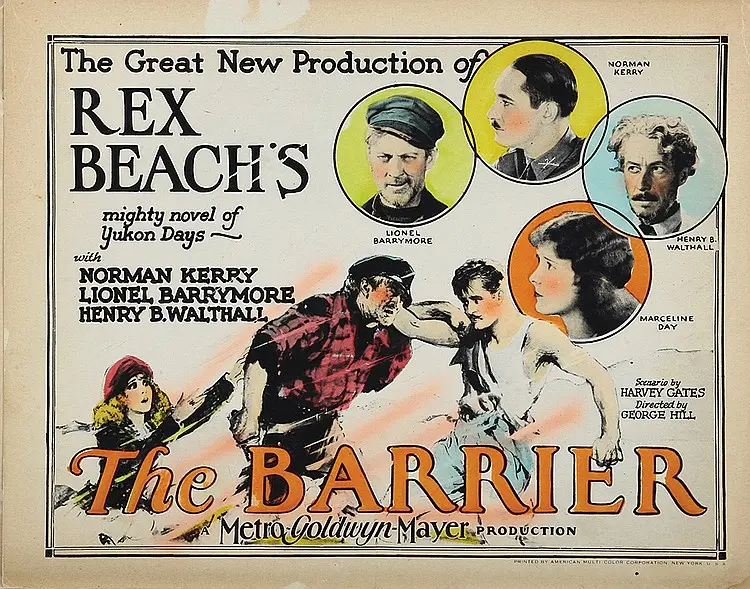
A definitive 7.3/10 rating for a film that redefined the boundaries of cult cinema. The Barrier remains a cornerstone of transgressive art.
Is The Barrier (1926) still a mandatory watch for the modern cinephile? Short answer: yes, but only if you have the patience for the slow-burn psychological tension that defined the best of the silent era's Northland epics. This film is for the viewer who finds beauty in the bleakness of the frontier and the complexity of moral ambiguity, but it is absolutely not for those who need high-octane spectacle or contemporary pacing to stay engaged.
The film sits in a strange, fascinating corner of cinema history. It’s a remake of a 1917 version, based on a Rex Beach novel, and it feels like a bridge between the primitive storytelling of early film and the sophisticated character studies that would follow in the 1930s. It’s a blunt instrument of a movie. It doesn't ask for your attention; it demands it through sheer physical presence and a looming sense of dread that never quite lets up until the final title card fades to black.
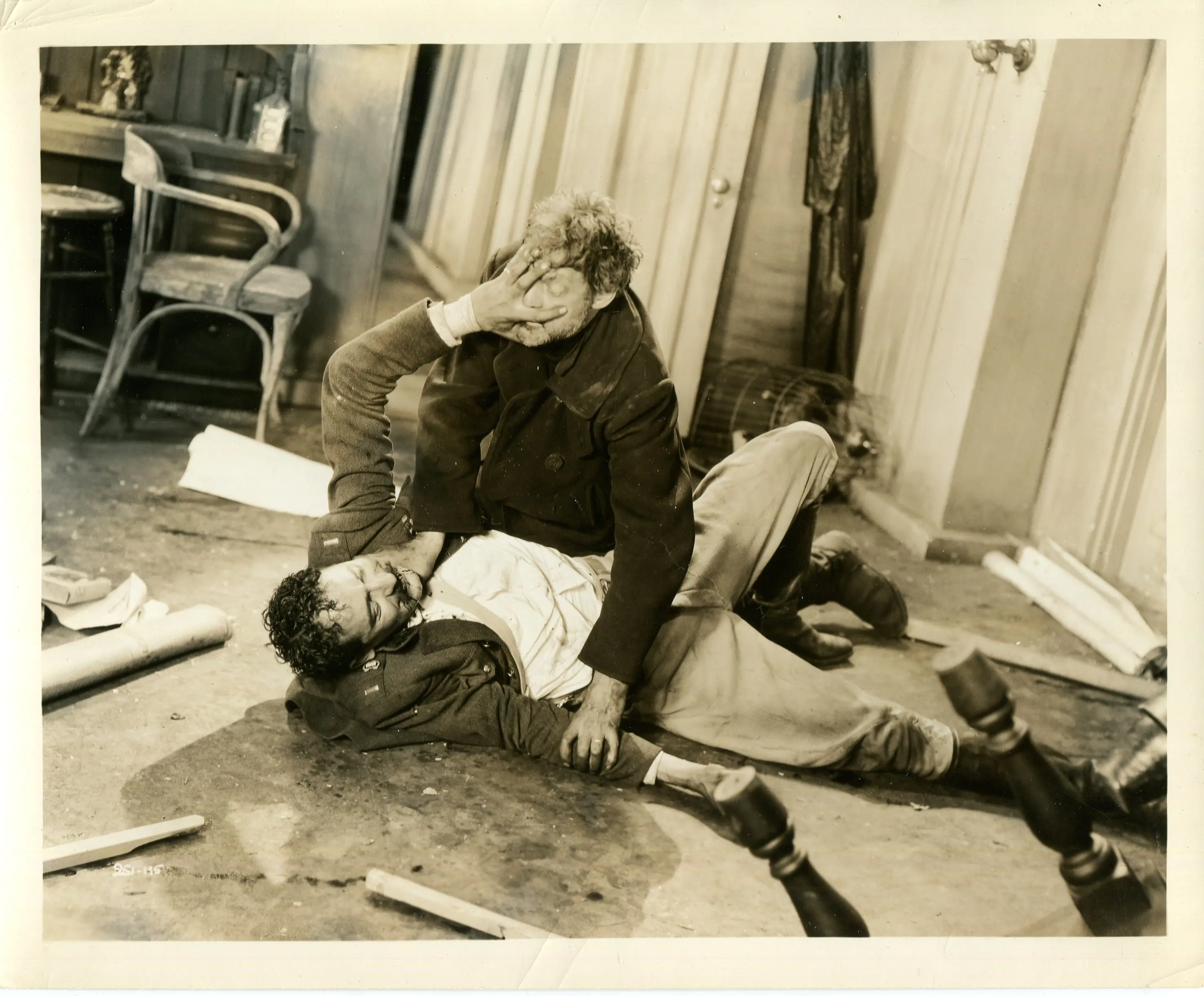
If you are looking for a historical artifact that still carries emotional weight, The Barrier is a resounding success. Unlike many of its contemporaries that feel like museum pieces, this film has a pulse. It feels lived-in. The snow looks cold, the characters look tired, and the stakes feel genuinely dangerous. However, if you struggle with the exaggerated gestures of silent acting or the racial tropes common to the 1920s, you might find it more frustrating than rewarding.
1) This film works because the central conflict between Lionel Barrymore and Henry B. Walthall is anchored in genuine psychological stakes rather than just plot convenience.
2) This film fails because the romantic subplot involving the young lieutenant often feels like an intrusion on the much more interesting story of the two older men.
3) You should watch it if you want to see one of the most effective uses of environmental storytelling in the silent era.
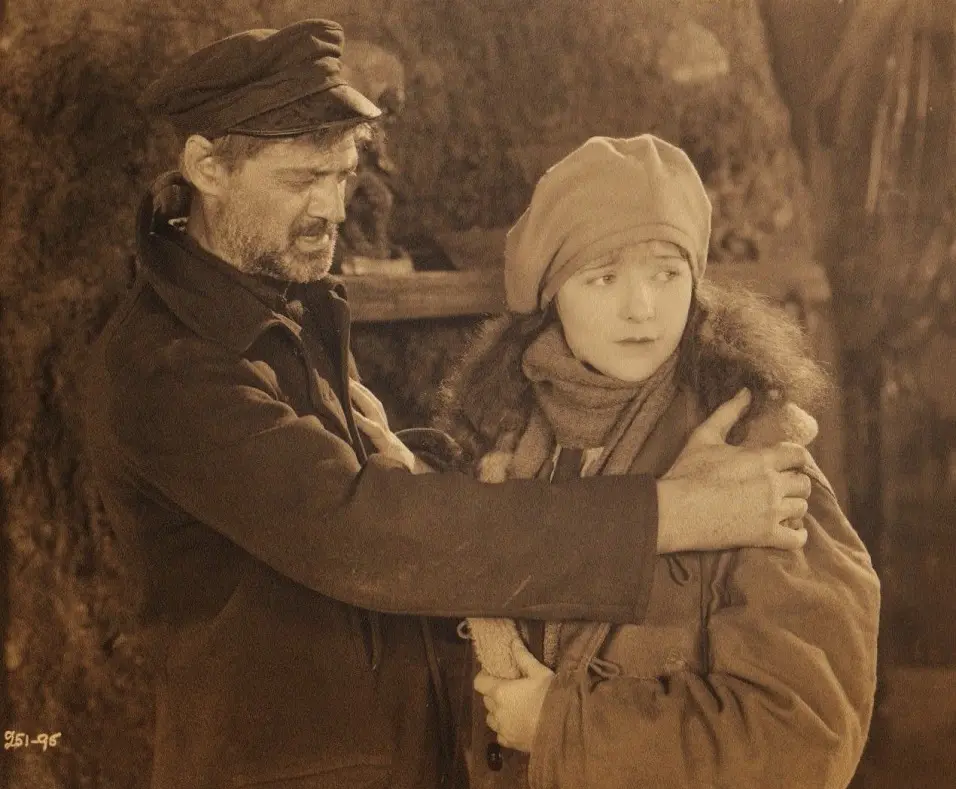
Let’s talk about Lionel Barrymore. In 1926, he wasn't yet the lovable, crotchety figure we remember from later years. Here, as Captain Bennett, he is a force of pure, unadulterated malice. There is a scene early on when he first arrives at the trading post, and the way the camera lingers on his eyes is genuinely unsettling. He doesn't need dialogue to convey his intent. His body language screams of a man who has spent a lifetime taking what he wants and destroying what he can’t have.
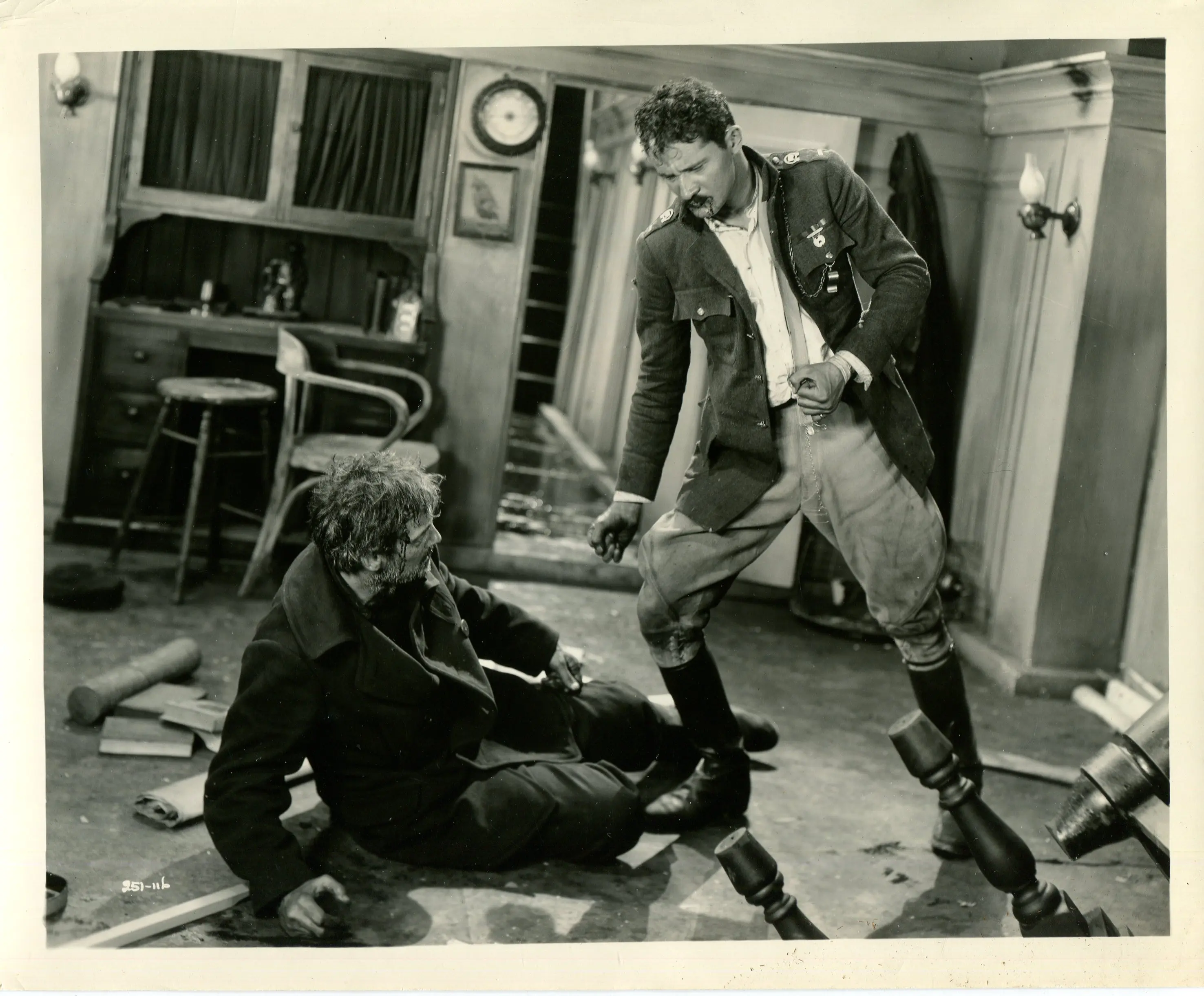
Barrymore’s performance is a sharp contrast to Henry B. Walthall’s John Gale. Walthall plays Gale with a quiet, simmering intensity. He is a man who has found redemption in the wilderness, but he knows that redemption is a fragile thing. When the two men finally share the frame, the tension is palpable. It’s a masterclass in silent confrontation. You can feel the weight of their shared history without a single word being spoken. It makes films like The Fear Fighter look like child's play in comparison to the emotional gravity on display here.
The cinematography in The Barrier is nothing short of revolutionary for its time. Director George Hill and his crew didn't just film in a studio; they captured the oppressive vastness of the North. The snow isn't just a backdrop; it’s a barrier in itself. It traps the characters together, forcing them to face one another. There is a specific shot of a dog sled moving across a ridge that perfectly encapsulates the isolation of the setting. It’s beautiful, but it’s a lethal beauty.
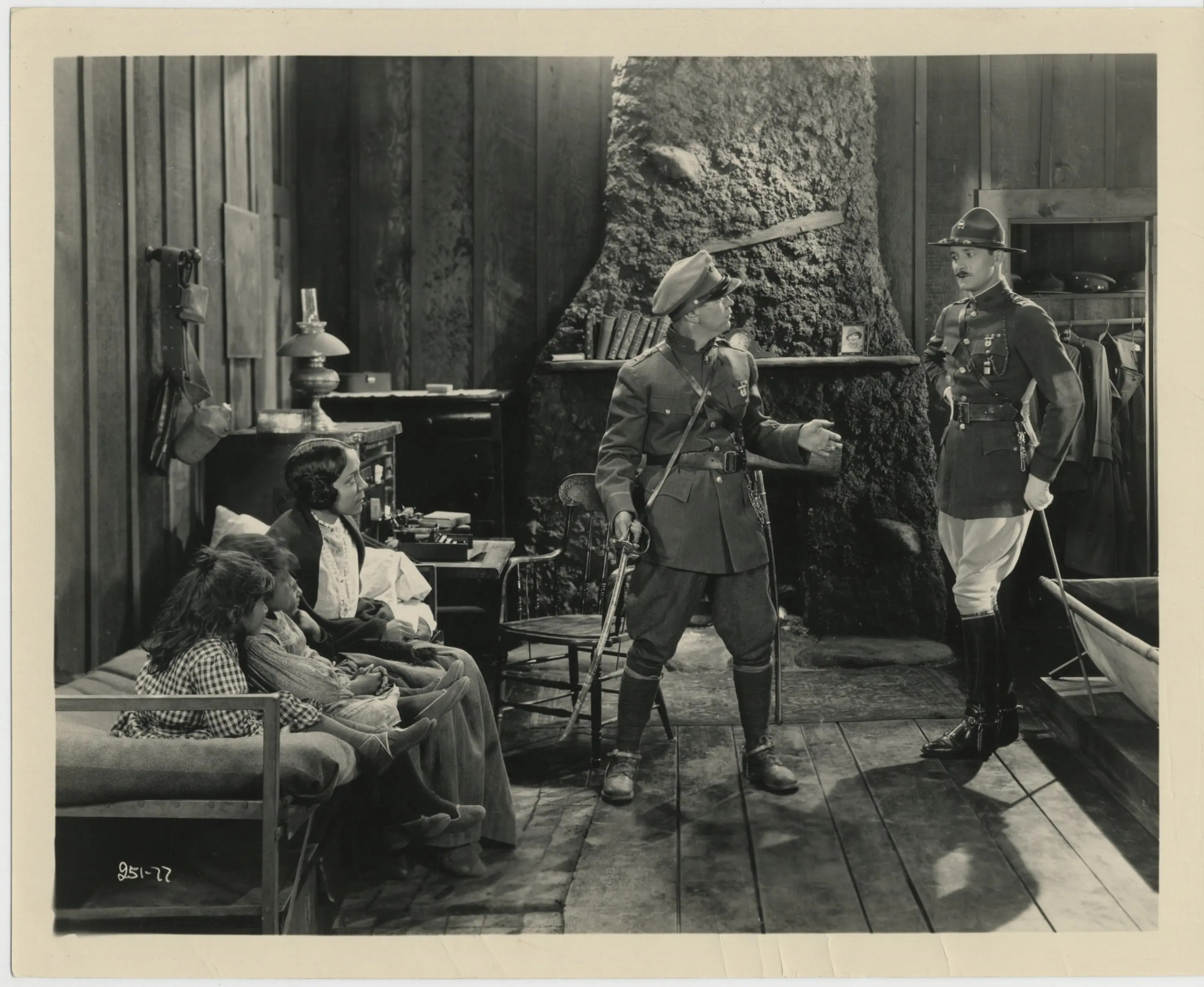
The lighting inside the trading post is equally impressive. Hill uses deep shadows to create a sense of claustrophobia. Even though they are in the middle of a vast wilderness, the characters often feel boxed in. This visual metaphor for their secrets and their pasts is handled with a subtlety that you don't always see in films from this era. It’s a far cry from the more straightforward presentation found in something like The Lone Wagon. Here, the visuals are doing the heavy lifting of the narrative.
If there is a flaw in The Barrier, it is the pacing of the second act. The film leans heavily into the romantic complications between Necia and a young lieutenant. While Neola May gives a spirited performance as Necia, the romance feels like a concession to the audience of 1926 rather than a necessary part of the story. It slows the momentum that the Barrymore/Walthall conflict builds so effectively. There are moments where you find yourself wishing the camera would just go back to the trading post and stay there.
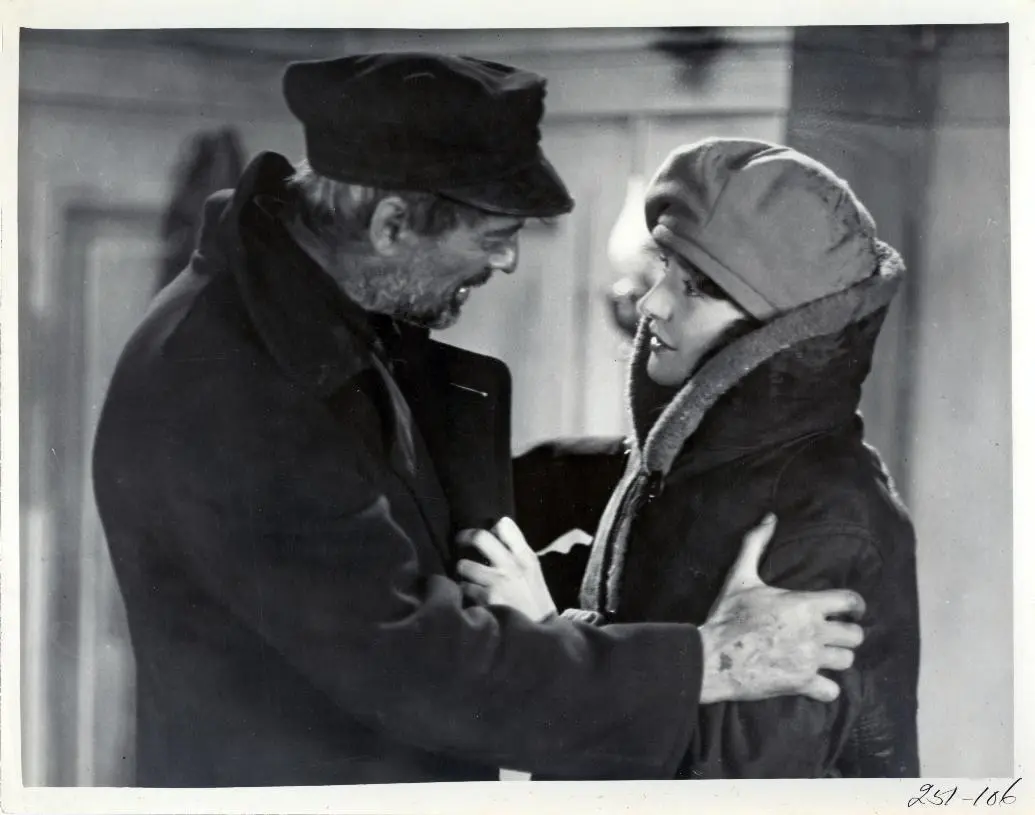
However, when the film focuses on the 'barrier'—the social and racial divisions that define Necia's identity—it becomes surprisingly modern. The script explores the idea of identity and how the lies of the past shape our present. It’s a heavy theme for a silent melodrama, and while some of the execution is dated, the core of the idea still resonates. It’s much more intellectually stimulating than the simple heroics of Lucky Stars.
Yes, The Barrier (1926) is worth watching for anyone interested in the evolution of the thriller. It is a gritty, atmospheric piece of work that proves silent films didn't need sound to be terrifying. It captures a specific type of rugged American storytelling that has largely disappeared from modern cinema. It’s a film about the weight of the past and the impossibility of truly escaping it.
Pros:
- Stunning location photography that captures the harshness of Alaska.
- A powerful, restrained performance by Henry B. Walthall.
- The psychological tension is built with expert precision.
- The climax is genuinely thrilling and avoids the easy way out.
Cons:
- Some of the character motivations are tied to outdated social norms.
- The pacing can be erratic during the transition into the final act.
- Certain secondary characters feel like caricatures rather than people.
The Barrier (1926) is a rugged, unapologetic piece of cinema. It doesn't offer easy answers or a comfortable viewing experience. It is a film that bites. Lionel Barrymore is a revelation, and the direction by George Hill shows a level of visual sophistication that was ahead of its time. While it suffers from some of the structural issues common to silent features, its atmosphere and central performances make it a standout of the genre. It’s a cold, hard look at human nature. It works. But it’s flawed. If you can handle the frostbite, it’s a trip worth taking.
IMDb 7.9
1925
Community
Log in to comment.