DbcultAccessing Vault...
Cult Review
Senior Film Conservator
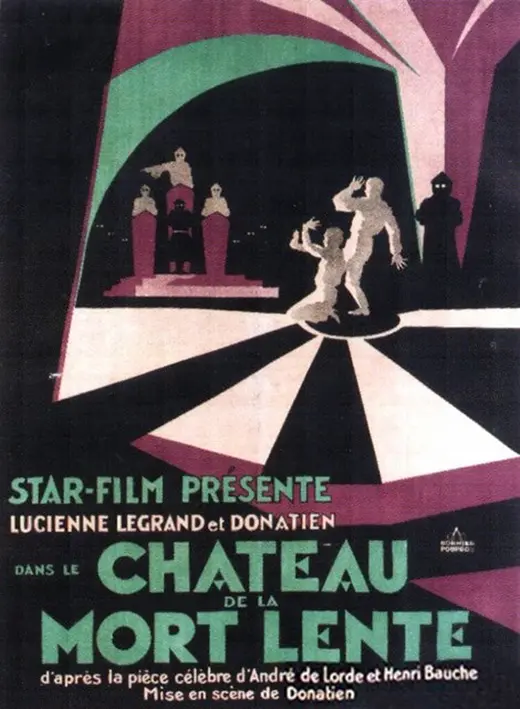
Short answer: Yes, but it's a complex and unforgiving experience that rewards those who enjoy intricate plots and psychological suspense. This film is not for the faint of heart or those seeking a straightforward thriller. Instead, it's a dense, atmospheric mystery that explores the darker aspects of human nature.
The allure of Le Château de la mort lente lies in its intricate narrative and the psychological depth it delves into. If you're a fan of Machiavellian plots, noir aesthetics, and a good dose of tension, this film is your cup of tea. However, if you prefer straightforward storytelling or light-hearted fare, this might be a challenging watch.
This film works because of its intricate plotting and the way it manipulates the audience's perception. The castle serves as a metaphor for the characters' inner worlds, where the boundaries between right and wrong are constantly blurred. The performances are particularly strong, especially Étienne Denois and François Viguier, who bring a sense of menace and desperation to their roles.
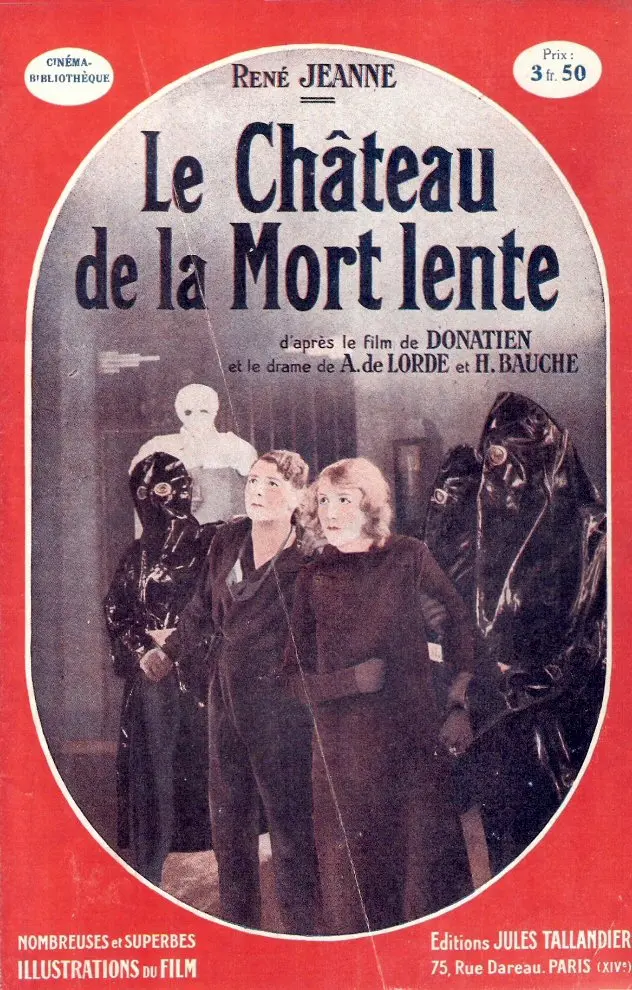
This film fails because it can be overly complex and slow-moving at times. The pacing is deliberate, which can be both a strength and a weakness. While the intricate plot keeps you engaged, it also requires a level of patience that not all viewers might have. Additionally, the film's reliance on a claustrophobic setting can feel oppressive, making it difficult to find moments of relief or reprieve.
You should watch it if you enjoy intricate plots, psychological thrillers, and films that challenge your perception of reality. The castle setting and the way it influences the characters' actions add a layer of depth that makes the film a worthwhile experience, even if it's not for everyone.
The castle itself is a character in the film, with its walls whispering secrets and its corridors filled with hidden dangers. The cinematography effectively captures the castle's eerie atmosphere, using lighting and shadows to create a stark contrast between light and darkness. The camera work is particularly impressive in how it captures the claustrophobic feel of the castle, making you feel as if you're trapped within its walls.
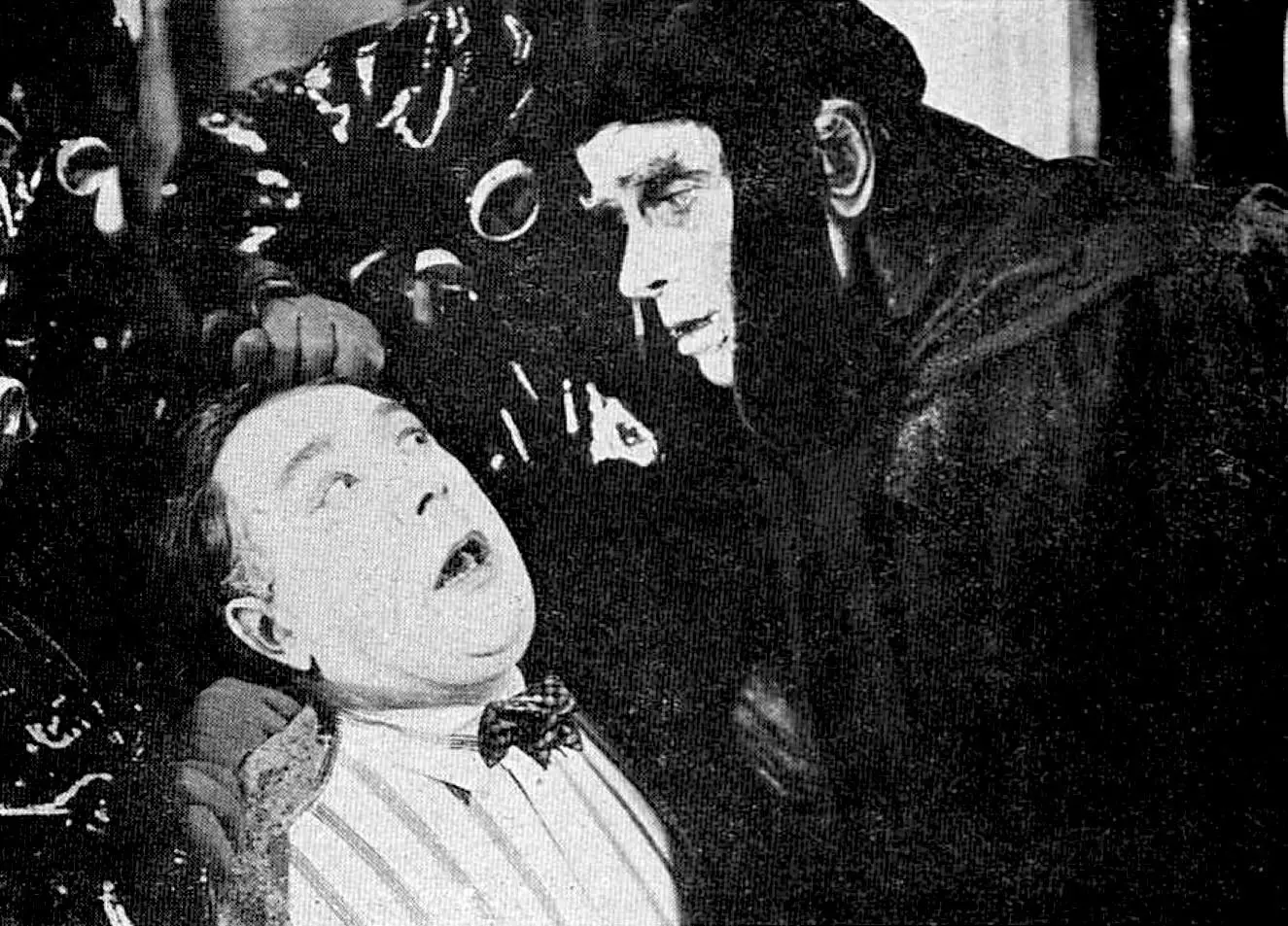
The psychological tension in the film is palpable. The characters are driven by a mix of guilt, fear, and a desire for redemption. The femme fatales, played by Lucienne Legrand and Rachel Devirys, are particularly compelling. They're not just one-dimensional villains but complex characters with their own motivations. The way these characters interact with each other and with the male leads adds layers of complexity to the plot, making the film a rewarding experience for those who enjoy intellectual thrillers.
The performances in Le Château de la mort lente are uniformly strong, with Étienne Denois and François Viguier delivering nuanced and convincing portrayals. Denois, in particular, stands out with his ability to convey a range of emotions without relying on over-the-top acting. The supporting cast, including Donatien and Pierre Etchepare, also contribute to the film's overall tension, bringing a sense of realism to the proceedings.
André de Lorde's direction is meticulous, with a keen eye for detail that makes the film a visual treat. The cinematography is particularly noteworthy, with a focus on creating an oppressive atmosphere. The use of shadows and stark contrasts between light and darkness adds to the film's overall sense of unease. The pacing is deliberate, with scenes unfolding in a way that feels both natural and suspenseful. The film's use of music is also noteworthy, with a score that enhances the psychological tension without overpowering the dialogue.
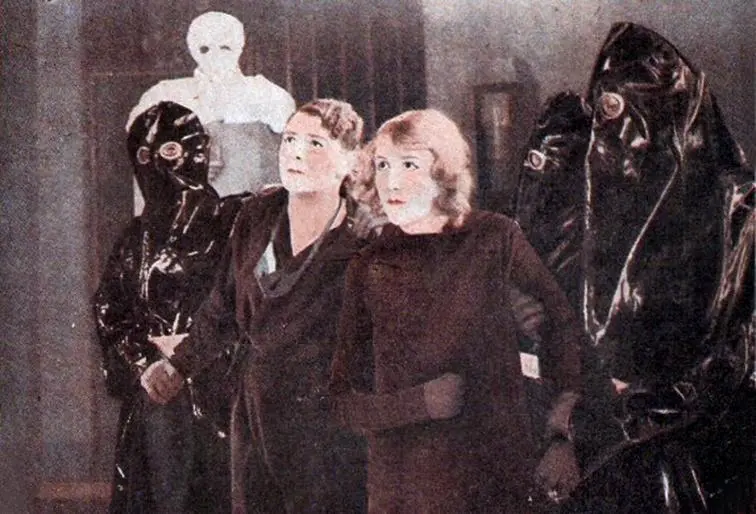
The film's pacing is a double-edged sword. While the deliberate unfolding of events keeps you engaged, it can also feel slow at times. The structure of the film is complex, with multiple layers of mystery and intrigue. The film doesn't shy away from presenting information gradually, which can be frustrating for some viewers but also a source of satisfaction for those who enjoy a puzzle to solve.
The film explores several themes, including guilt, redemption, and the blurred lines between justice and vengeance. The castle itself becomes a symbol of these themes, with its walls echoing the characters' inner turmoil. The motif of mirrors is also used to great effect, reflecting the characters' fractured sense of self and their attempts to hide their true feelings.
Le Château de la mort lente shares some thematic similarities with films like Deuce Duncan and Caprice of the Mountains. Both of these films also explore the darker aspects of human nature and rely on complex plotting to keep the audience engaged. However, Le Château de la mort lente is more focused on the psychological aspects of the story, making it a more cerebral experience.
Is this film worth watching today? Absolutely, if you're a fan of intricate plots, psychological thrillers, and films that challenge your perception of reality. The castle setting and the way it influences the characters' actions add a layer of depth that makes the film a worthwhile experience, even if it's not for everyone.
Le Château de la mort lente is a challenging but rewarding film that explores the darker aspects of human nature. While it may not be for everyone, it's a must-watch for fans of psychological thrillers and intricate plotting. The film's deliberate pacing and atmospheric setting make it a standout in the genre, even if it requires a certain level of patience from the viewer.
IMDb 5.9
1932
Community
Log in to comment.